USAID DEC
Cinco claves de la crisis política que atraviesa Ecuador
Ecuador's ongoing political crisis is characterized by several key factors.
38 pages
Sign in to readA free account is required to download.
Abstract
The country's economic instability is a major concern, with high inflation rates and a significant decline in the value of the Ecuadorian dollar. This economic instability has led to widespread discontent among the population, with many citizens expressing dissatisfaction with the government's handling of the economy. The crisis has also been fueled by a deepening divide between the government and indigenous groups. The Union of Nationalities Ashaninkas and Yaneshas (UNAY) has been at the forefront of protests against the government's policies, particularly with regards to the exploitation of natural resources. The UNAY has expressed concerns about the environmental impact of large-scale mining and drilling operations in the Amazon rainforest, which is home to many indigenous communities. The Resguardo Indígena Nonuya de Villazul, a community in the Amazonas province, has been particularly vocal in its opposition to the government's policies. The community has been at the forefront of protests against the construction of a new oil pipeline, which they claim will have devastating environmental consequences. The Consejo Indígena de Roraima (CIR), a regional indigenous organization, has also expressed concerns about the impact of the project on indigenous communities. The crisis has also highlighted the need for greater representation and participation of indigenous groups in the country's decision-making process. The government has been criticized for its lack of engagement with indigenous communities, particularly in the development of policies related to natural resource extraction. The crisis has highlighted the need for a more inclusive and participatory approach to governance, one that takes into account the concerns and needs of indigenous communities.
Related documents
Documents in this collection
 2015
2015USAID DEC
Comprobación de los mapas de zonificación agroecológica generados por el CISAS para los rubros de café, cacao, ganadería, piscicultura y ciclo corto y el mapa de uso y cobertura vegetal generado por el MAE del año 2014
Open record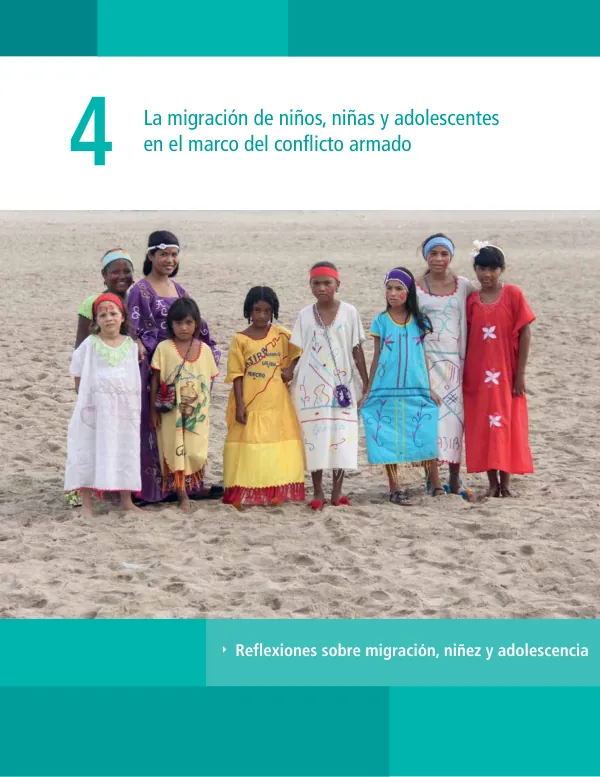 2015
2015USAID DEC
Reflexiones sobre migración, niñez y adolescencia
Open record