USAID DEC
Cleanliness Practices for Newborn Health
The practice of cord care is a critical component of newborn care, particularly in the first few days after birth.
1 pages
Sign in to readA free account is required to download.
Abstract
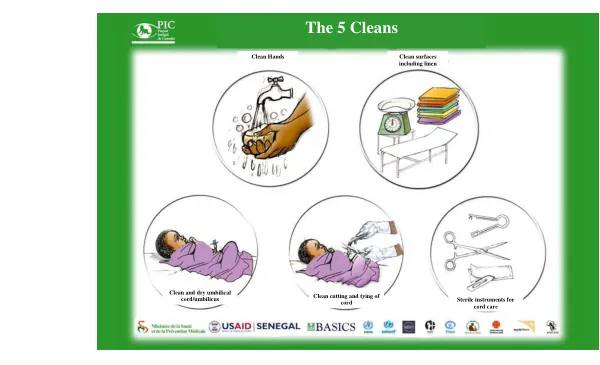
Clean Hands is a fundamental aspect of this practice, emphasizing the importance of hand hygiene in preventing the transmission of infections. Healthcare providers are advised to wash their hands thoroughly with soap and water before and after handling the newborn and the umbilical cord. Clean surfaces, including linen, are also essential in maintaining a clean environment for the newborn. This includes changing and washing the baby's clothes, bedding, and any other items that come into contact with the newborn. The use of clean and dry linen helps to prevent the spread of infections and promotes a healthy environment for the baby. Clean and dry umbilical cord care is a critical aspect of newborn care. The umbilical cord should be kept clean and dry to prevent infection and promote healing. This involves gently cleaning the cord with a mild soap and water, and then drying it thoroughly with a clean towel. Clean cutting and tying of the cord is also an essential aspect of cord care. This involves using sterile instruments to cut and tie the cord, and then applying a clean dressing to the stump. The use of sterile instruments helps to prevent the transmission of infections and promotes a clean and healthy environment for the newborn. Sterile instruments for cord care are used to prevent the transmission of infections and promote a clean and healthy environment for the newborn. These instruments are designed to be used once and then discarded, helping to prevent the spread of infections and promote a healthy environment for the baby. The use of sterile instruments is particularly important in areas where access to clean water and sanitation is limited.