USAID
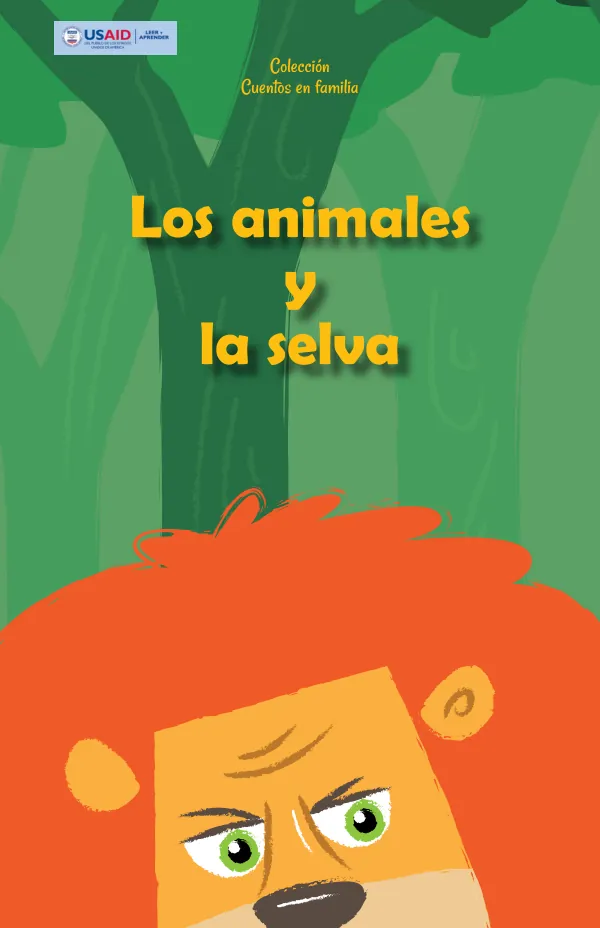
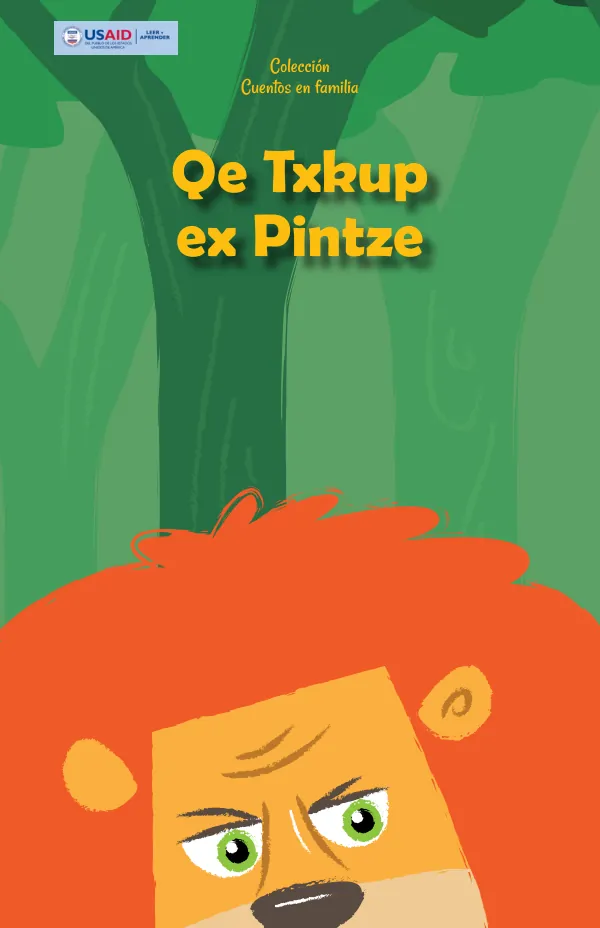
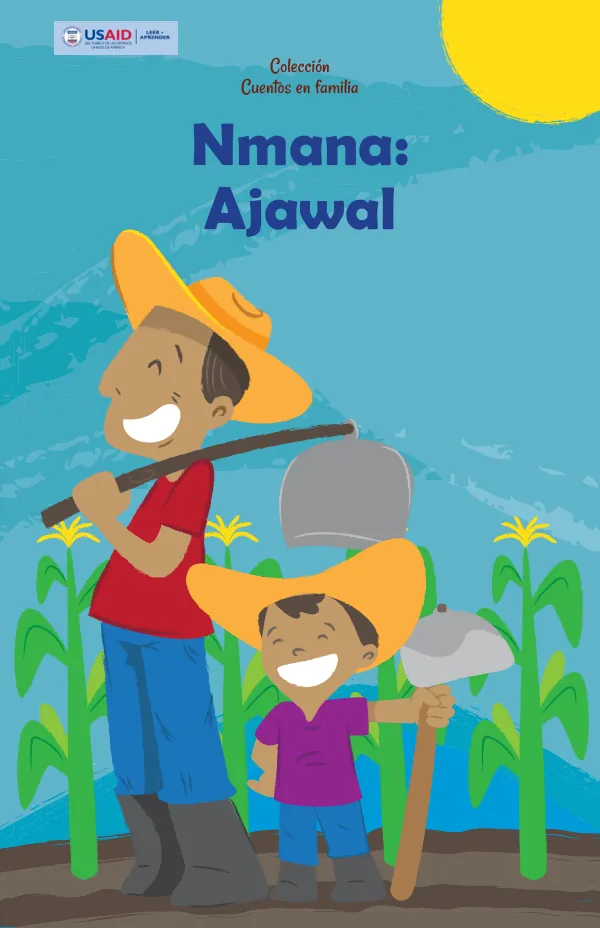
Colección Cuentos en familia
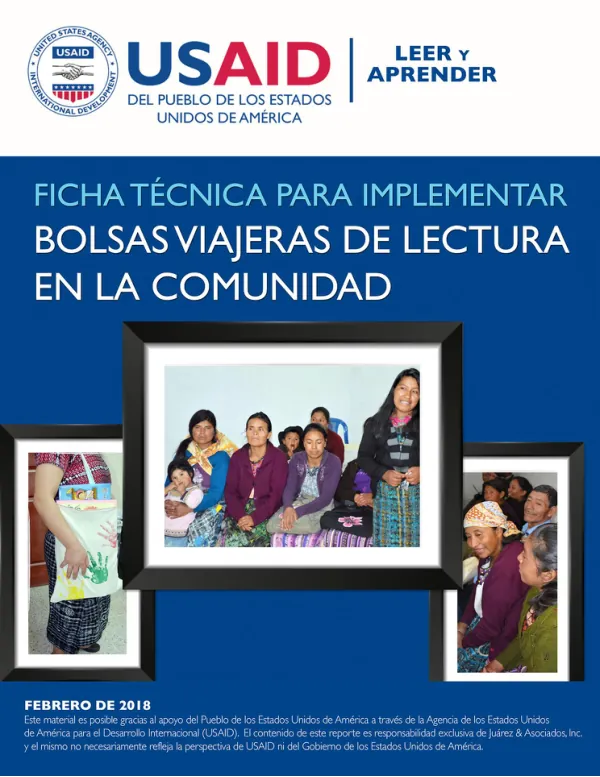
The agricultural development initiative in the Eastern Province of Guatemala began in 2016 as part of the USAID Leer y Aprender project.
2016 · 9 pages
Sign in to readA free account is required to download.
Abstract
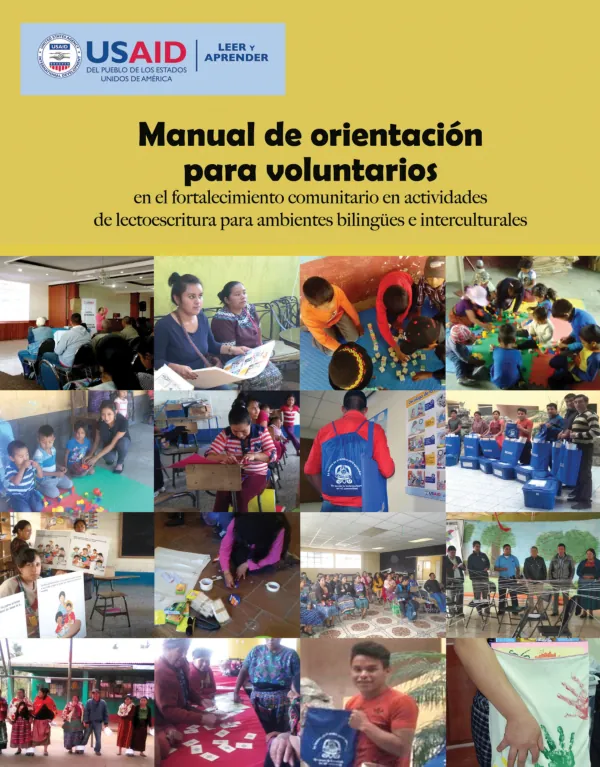
The project aimed to improve literacy rates among children in 12 municipalities through the implementation of a model of municipalities friendly to reading. This model included the development of reading materials and the involvement of parents and the community in supporting children's education. The project focused on developing short and long stories in Spanish and indigenous languages, such as Mam and K'iche'. The collection of stories, titled "Cuentos en familia", was the result of the efforts made in the 12 municipalities. The stories were designed to promote reading habits among children and to preserve the oral traditions of the communities. The project's methodology involved the creation of reading materials, including short and long stories, that would engage children and promote a love for reading. The materials were developed in collaboration with parents and the community, ensuring that they were relevant and culturally sensitive. The project's impact was significant, with a significant increase in literacy rates among children in the 12 municipalities. The project's success was attributed to the involvement of parents and the community in supporting children's education, as well as the development of culturally relevant reading materials. The project's results showed that the involvement of parents and the community in supporting children's education was crucial in promoting literacy rates. The project's methodology, which included the development of reading materials and the involvement of parents and the community, was effective in improving literacy rates among children. The project's outcomes were measured through various indicators, including the number of children who could read and write, the number of parents and community members involved in supporting children's education, and the quality of the reading materials developed. The project's results showed that the involvement of parents and the community in supporting children's education was crucial in promoting literacy rates. The project's success was also attributed to the involvement of the community in the development of the reading materials. The community's participation in the development of the materials ensured that they were relevant and culturally sensitive, making them more effective in promoting literacy rates among children.