UNICEF
Creating a Tool to Measure Children’s Wellbeing: A PSS Intervention in South Sudan
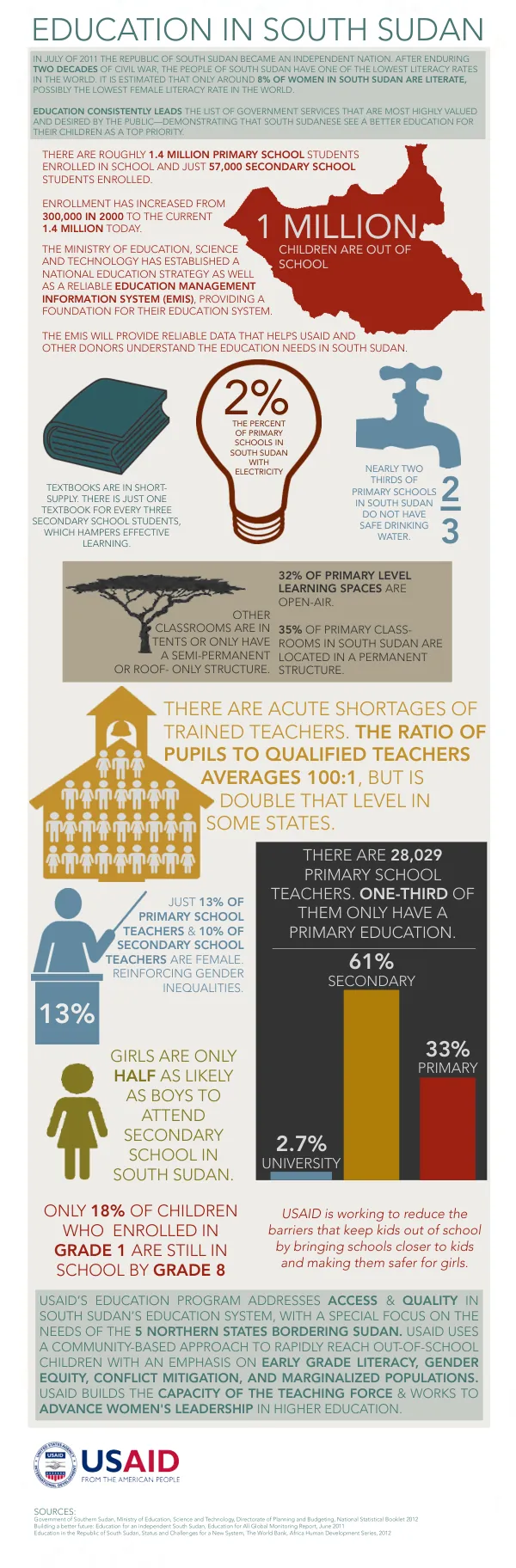
The civil war in South Sudan has caused widespread displacement and violence, affecting the psychological and emotional states of the population.
2021 · 49 pages
Sign in to readA free account is required to download.
Abstract
Since 2015, more than 560,000 South Sudanese primary school children have received psychosocial support (PSS) through the USAID-funded Integrated Essential Emergency Education Services program, implemented by UNICEF. This program aimed to provide a safe and supportive environment for children to cope with the trauma of war and displacement. A multi-institutional consortium of multidisciplinary partners conducted a study to evaluate the impact of this PSS intervention on students' wellbeing and academic performance. The study involved a purposive sample of 2,982 students and 580 teachers in 64 schools from five states in the Republic of South Sudan. The researchers designed a contextually relevant and rigorously validated instrument to measure students' wellbeing in a region where research on PSS outcomes in education in emergencies is needed. The instrument was developed through collaborative efforts with experts on measuring PSS outcomes in conflict settings and experts on the local context. The researchers tested the construct validity of the instrument and conducted a confirmatory factor analysis of its three-factor model of social wellbeing, emotional wellbeing, and resilience/coping. The results of the analysis showed that the instrument was a reliable and valid measure of students' wellbeing. The study found that the PSS intervention had a positive impact on students' wellbeing and academic performance. The study also highlighted the importance of addressing the wellbeing of children and youth who are victims of direct violence or have witnessed intercommunal conflict. The researchers emphasized the need for effective ways to foster the social and emotional wellbeing of children in conflict settings alongside their academic needs. The study's findings have implications for policy and practice, highlighting the importance of investing in PSS interventions and developing contextually relevant instruments to measure wellbeing in emergency settings. The South Sudan context is characterized by a high level of displacement and violence, which has had a profound impact on the population's psychological and emotional states. The civil war has caused most South Sudanese to experience some adverse event, such as physical violence or forced displacement. The mandates of President Kiir to dismiss prominent South Sudanese government figures in mid-2013 led to the outbreak of violence in Juba in December of that year. The conflict spread throughout the country, with sporadic fighting continuing for much of 2017 and 2018. Much of the population from the country's southern regions fled to Uganda. In September 2018, Sudan and Uganda brokered a new peace agreement for South Sudan. Research suggests that the relationship between the causes and effects of conflict can be intricate and complex, with conflict identified as both a cause and an effect of inequitable access to education. The war in South Sudan has had a devastating impact on schools and learning centers, with reports of sexual assaults and violence in schools. The effects this violence has had on South Sudanese students were illustrated in the recent education needs assessments conducted across 400 learning sites in South Sudan, which found both higher dropout rates and lower enrollment and attendance rates than in the prewar years. The study's findings have implications for policy and practice, highlighting the importance of investing in PSS interventions and developing contextually relevant instruments to measure wellbeing in emergency settings. The researchers emphasized the need for effective ways to foster the social and emotional wellbeing of children in conflict settings alongside their academic needs.