USAID DEC
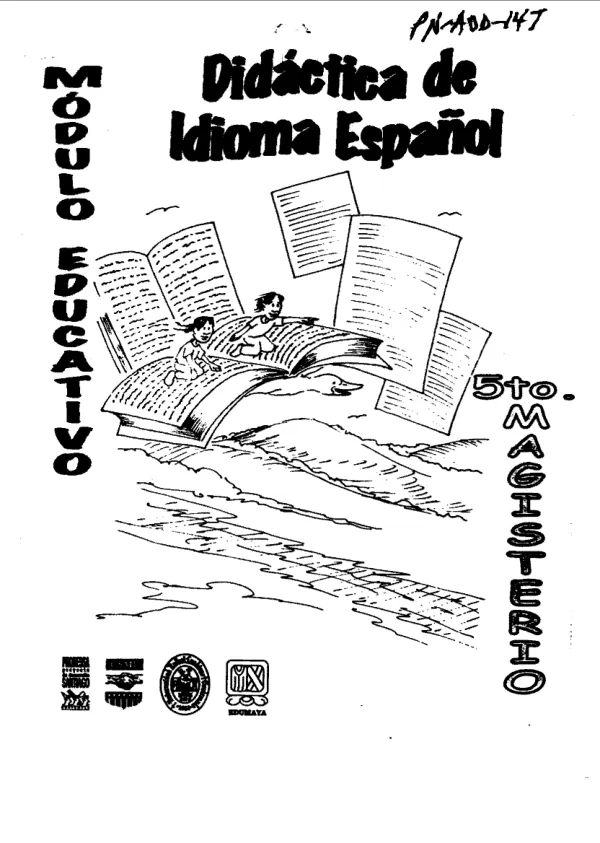
Didáctica del Idioma Español
The development of language and human development are closely related concepts that are essential for understanding the process of language acquisition and development.
66 pages
Sign in to readA free account is required to download.
Abstract
The language is a tool for communication and development of thought, and it plays a crucial role in the development of the human being. It is not just a capacity to emit words, but a mental faculty that involves the development of structures and processes that are essential for human thought and communication. The language is a complex system that involves the use of symbols, sounds, and grammar to convey meaning and express thoughts and ideas. It is a dynamic and constantly evolving system that is shaped by the social and cultural context in which it is used. The language is not just a tool for communication, but also a means of identity, culture, and socialization. The development of language is a gradual process that begins in early childhood and continues throughout life. It involves the acquisition of vocabulary, grammar, and pronunciation, as well as the development of skills such as reading, writing, and speaking. The language is not just a product of individual effort, but also a result of social and cultural influences. The language is a key factor in the development of cognitive abilities, such as memory, attention, and problem-solving. It is also essential for social and emotional development, as it provides a means of communication and expression. The language is a fundamental aspect of human identity and culture, and it plays a crucial role in shaping our thoughts, feelings, and behaviors. The language is not just a tool for communication, but also a means of self-expression and creativity. It allows us to convey our thoughts, feelings, and ideas in a way that is unique and personal. The language is a dynamic and constantly evolving system that is shaped by the social and cultural context in which it is used. The development of language is a complex and multifaceted process that involves the interaction of multiple factors, including genetics, environment, and culture. It is a process that is shaped by the social and cultural context in which it occurs, and it is influenced by a range of factors, including family, education, and social environment. Jean Piaget's theory of cognitive development provides a framework for understanding the development of language and cognitive abilities. According to Piaget, children progress through four stages of cognitive development: sensorimotor, preoperational, concrete operational, and formal operational. Each stage is characterized by a unique way of thinking and problem-solving, and language plays a crucial role in the development of cognitive abilities. In the sensorimotor stage, children learn to associate sounds and words with objects and actions. In the preoperational stage, children begin to use language to communicate and express themselves. In the concrete operational stage, children develop the ability to think logically and use language to solve problems. In the formal operational stage, children develop the ability to think abstractly and use language to express complex ideas. The language is a key factor in the development of cognitive abilities, such as memory, attention, and problem-solving. It is also essential for social and emotional development, as it provides a means of communication and expression.