USAID DEC
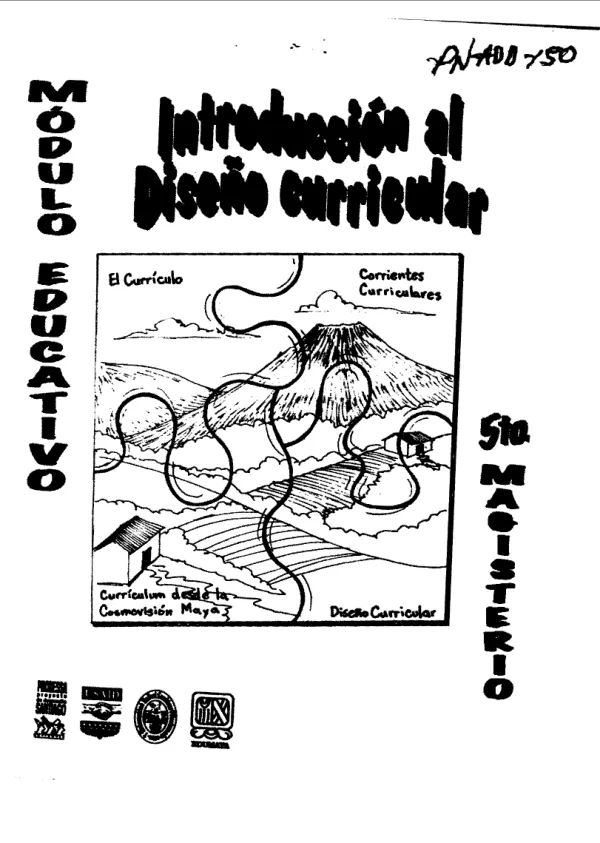
Módulo Educativo: Introducción al Diseño Curricular
The concept of curriculum is deeply rooted in the educational traditions of Guatemala, shaped by the country's history, culture, and socio-economic context.
67 pages
Sign in to readA free account is required to download.
Abstract
The curriculum is not just a set of educational materials, but a reflection of the values, beliefs, and aspirations of the Guatemalan people. The curriculum is designed to be dynamic and responsive to the changing needs of society, incorporating the latest technological advancements and innovative approaches to education. It is based on four pillars: learning to know, learning to do, learning to live together, and learning to be. The curriculum is not just a tool for transmitting knowledge, but a means of empowering individuals to become active participants in the construction of their own reality. It is a reflection of the country's commitment to social justice, equality, and human rights. The curriculum is not just a set of abstract concepts, but a living, breathing entity that is shaped by the experiences, traditions, and values of the Guatemalan people. It is a reflection of the country's rich cultural heritage, its history, and its struggles. The curriculum is not just a means of transmitting knowledge, but a way of promoting critical thinking, creativity, and problem-solving skills. It is a means of empowering individuals to become active participants in the construction of their own reality, to make informed decisions, and to take action to create positive change. The curriculum is not just a set of educational materials, but a reflection of the country's commitment to social justice, equality, and human rights. It is a means of promoting social cohesion, tolerance, and understanding, and of empowering individuals to become active participants in the construction of a more just and equitable society. The curriculum is not just a tool for transmitting knowledge, but a means of promoting personal growth, self-awareness, and self-actualization. It is a means of empowering individuals to become active participants in the construction of their own reality, to make informed decisions, and to take action to create positive change. The curriculum is designed to be inclusive, participatory, and community-based, reflecting the country's commitment to social justice, equality, and human rights. It is a means of promoting social cohesion, tolerance, and understanding, and of empowering individuals to become active participants in the construction of a more just and equitable society. The curriculum is a reflection of the country's commitment to social justice, equality, and human rights, and is designed to promote social cohesion, tolerance, and understanding. It is a means of empowering individuals to become active participants in the construction of a more just and equitable society. The curriculum is a dynamic and responsive entity that is shaped by the experiences, traditions, and values of the Guatemalan people. It is a reflection of the country's rich cultural heritage, its history, and its struggles. The curriculum is designed to promote personal growth, self-awareness, and self-actualization, and is a means of empowering individuals to become active participants in the construction of their own reality. It is a reflection of the country's commitment to social justice, equality, and human rights. The curriculum is a living, breathing entity that is shaped by the experiences, traditions, and values of the Guatemalan people. It is a reflection of the country's rich cultural heritage, its history, and its struggles.
Related documents
Documents in this collection
 2016
2016USAID DEC
Manual de protocolos para el involucramiento de padres de familia en lectoescritura (Preescolar a tercer grado primaria)
Open record 2021
2021USAID DEC