USAID DEC
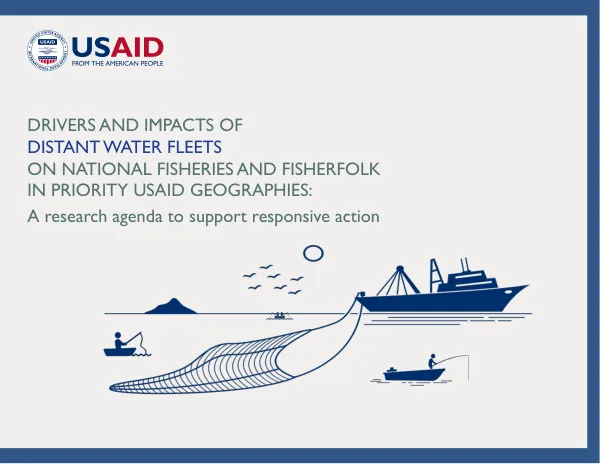
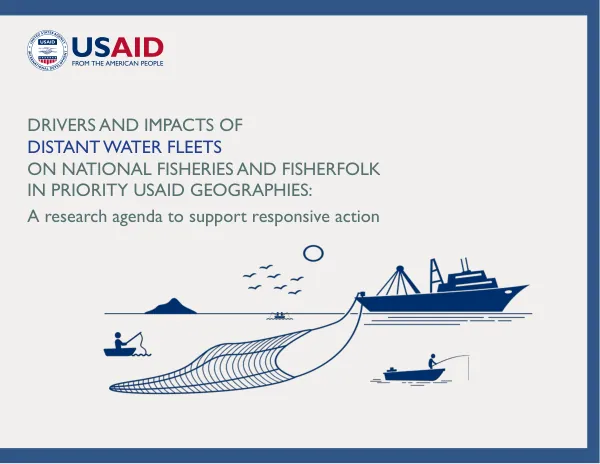
Drivers and Impacts of Distant Water Fleets on National Fisheries and Fisherfolk in Priority USAID Geographies
Sign inENVIRONMENTAL INCENTIVES, LLC
Drivers and Impacts of Distant Water Fleets on National Fisheries and Fisherfolk in Priority USAID Geographies
Sustainable fisheries management is a critical development issue, with the United States Agency for International Development (USAID) having decades of experience promoting coastal and fisheries management for improved food security, livelihoods, and biodiversity conservation.
2021 · 14 pages
Sign in to readA free account is required to download.
Abstract
USAID's work includes building enabling policies, laws, and precedents that underpin effective management, as well as addressing the underlying drivers of unsustainable behavior by shifting incentives and responding to the high dependence on natural resources typical in the contexts where USAID works. Industrial distant water fleets (DWFs) have been identified as one of many threats to fisheries sustainability that can be mitigated through broader efforts to improve scientific, governance, and enforcement capacities and informed, organized constituencies. However, some USAID Missions have started to identify DWFs as a more direct and significant impediment to improving the management of national fisheries, and are beginning to consider targeted interventions to counter the impacts of DWFs on national fishery resources. China's multi-prong engagement in fisheries has been identified as a significant confounding driver to improved management in some contexts, resulting from its large, heavily subsidized DWF; voracious demand for seafood; and other development investments and diplomatic engagements. The impacts of DWFs on national fisheries and fisherfolk in priority USAID geographies are a growing concern, with USAID recognizing the need for a research agenda to support responsive action. The research agenda focuses on four key research areas: characterizing the scale, form, and impacts of DWFs on national fisheries and fisherfolk; barriers to national and regional enforcement of illegal activities by DWFs operating in national Exclusive Economic Zones (EEZs); transparency and sustainability in licensing and supply chains associated with DWF activity in national EEZs; and opportunities to develop or strengthen effective alliances of organizations that collectively take actions to deter illegal or unsustainable fishing practices by DWFs. Research Area 1 aims to characterize the scale, form, and impacts of DWFs on national fisheries and fisherfolk, including the scale of illegal or unsustainable fishing by DWFs in the country's EEZ, the main forms of illegal fishing by DWFs, and the ecological and economic costs of illegal and/or unsustainable fishing by DWFs operating in the country's EEZ. Research Area 2 focuses on barriers to national and regional enforcement of illegal activities by DWFs operating in national EEZs, including the most significant barriers to national enforcement and regional arrangements for information sharing and coordinated enforcement action. Research Area 3 examines transparency and sustainability in licensing and supply chains associated with DWF activity in national EEZs, including how licensing decisions for foreign fleets are currently made, the status of existing access agreements with DWFs, and where fish harvested through illegal or unreported practices by DWFs are being sold. Research Area 4 aims to identify opportunities to develop or strengthen effective alliances of organizations that collectively take actions to deter illegal or unsustainable fishing practices by DWFs, including other organizations that have shared interests and influence with the national government. The research agenda is designed to support responsive action by USAID and its partners to address the impacts of DWFs on national fisheries and fisherfolk in priority USAID geographies.
Related documents