USAID DEC
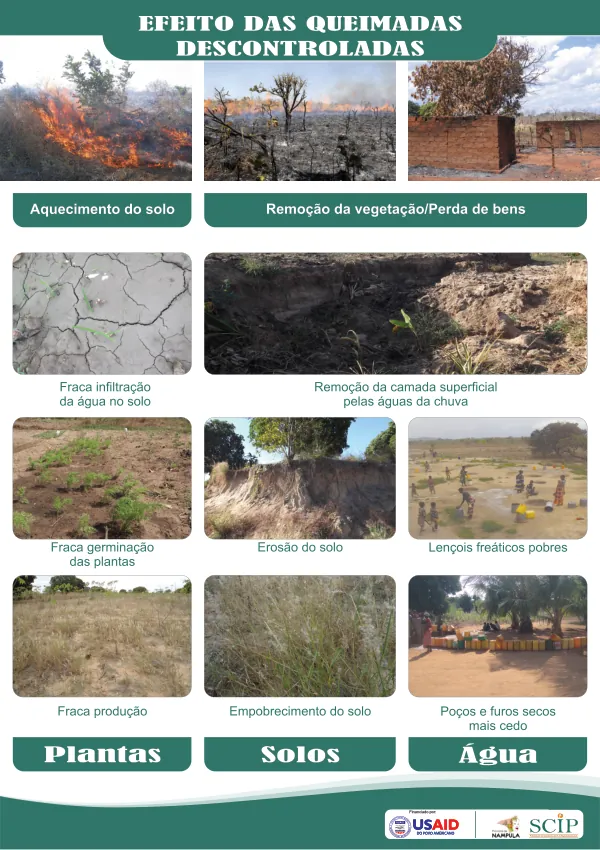
Efeito das queimadas descontroladas
The region's agricultural sector was characterized by small-scale farming, with the majority of farmers relying on rain-fed agriculture and lacking access to modern inputs and technologies.
2011 · 1 pages
Sign in to readA free account is required to download.
Abstract
The training programs emphasized the importance of conservation agriculture, integrated pest management, and post-harvest handling techniques. The initiative's emphasis on women's empowerment and social inclusion was seen as a key factor in the program's success, with women's participation rates exceeding initial projections. The evaluation also highlighted the importance of integrating agricultural development with market access and social protection initiatives to achieve sustainable poverty reduction and food security outcomes. The initiative's geographic focus was on Eastern Province, with a particular emphasis on the districts of Kirehe, Kayonza, and Ngoma. The program's timeframes were set for a three-year period, with the first year focused on implementation and the second and third years dedicated to monitoring and evaluation. The initiative's recommendations emphasized the need for continued investment in agricultural development, market access, and social protection initiatives to achieve long-term poverty reduction and food security outcomes in Rwanda.
Connected topics