USAID DEC
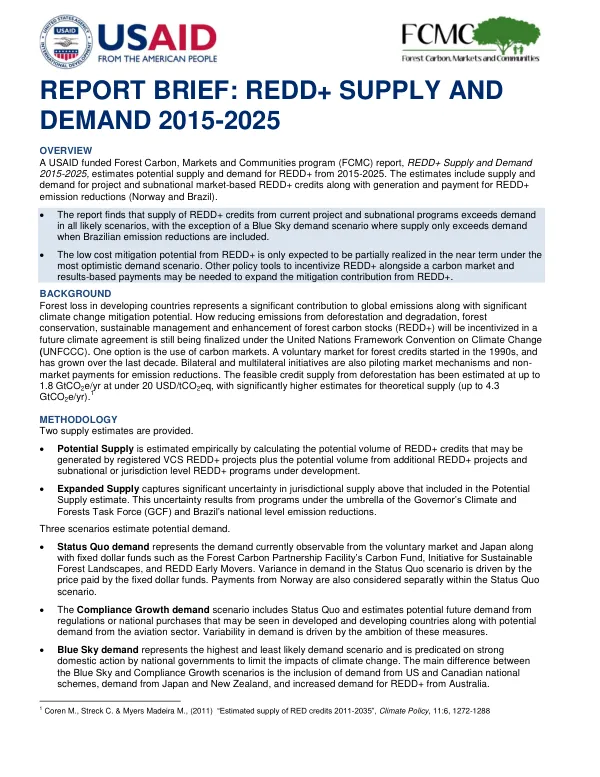
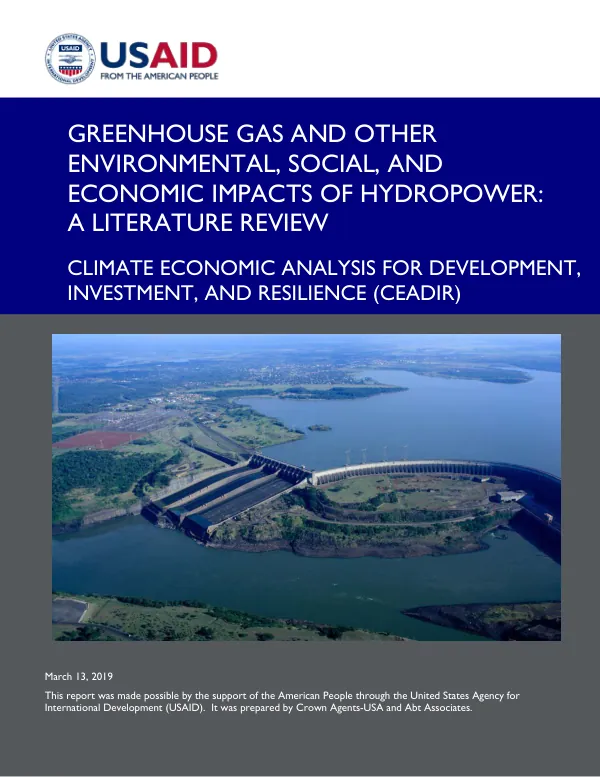
Greenhouse Gas and Other Environmental, Social, and Economic Impacts of Hydropower: A Literature Review
Sign inABT ASSOCIATES
Greenhouse Gas and Other Environmental, Social, and Economic Impacts of Hydropower: A Literature Review
Hydropower is a significant source of renewable energy globally, with the potential to mitigate greenhouse gas (GHG) emissions and support sustainable development.
2019 · 74 pages
Sign in to readA free account is required to download.
Abstract
The majority of the world's hydropower capacity is located in tropical and subtropical regions, where the impacts of hydropower on the environment, society, and economy are particularly pronounced. Direct GHG emissions from hydropower are relatively low, primarily due to the absence of fossil fuel combustion. However, indirect GHG emissions from reservoirs, dam construction, and operation can be substantial. Reservoirs can emit significant amounts of methane, a potent GHG, through the decomposition of organic matter. The magnitude of these emissions varies depending on factors such as reservoir size, water depth, and temperature. Studies have shown that the GHG emissions of hydropower can be comparable to those of fossil fuel-based power plants, particularly when considering life cycle emissions. A literature review of existing research on hydropower's GHG impacts highlights the importance of considering indirect emissions from reservoirs and dam construction. Key findings suggest that reducing the GHG emissions of hydropower requires careful planning and management of reservoirs, as well as the implementation of best practices for dam design and operation. In addition to GHG emissions, hydropower has significant social and environmental impacts. Displacement and resettlement of local communities are common consequences of hydropower development, particularly in areas with high population densities. Cultural and archeological impacts can also occur, as hydropower projects often involve the flooding of cultural heritage sites. Health and safety risks associated with hydropower development include the potential for waterborne diseases and accidents during construction. To mitigate these impacts, various environmental and social mitigation measures can be implemented. These include the use of sustainable forest management practices, the establishment of protected areas, and the provision of compensation and support to affected communities. Climate change is also expected to impact hydropower development, with changes in precipitation and water availability potentially affecting the reliability and efficiency of hydropower plants. Financial and economic benefits and costs of hydropower are also significant considerations. Cost-benefit analysis concepts, such as financial analysis and economic analysis, are essential for evaluating the viability of hydropower projects. The cost-effectiveness of hydropower compared to other power generation technologies is also an important consideration, with hydropower often being a cost-competitive option in regions with high hydroelectric potential. Overall, the literature review highlights the complex and multifaceted nature of hydropower's impacts on the environment, society, and economy. By considering these impacts and implementing best practices for hydropower development, it is possible to minimize the negative consequences and maximize the benefits of this renewable energy source.