TETRA TECH
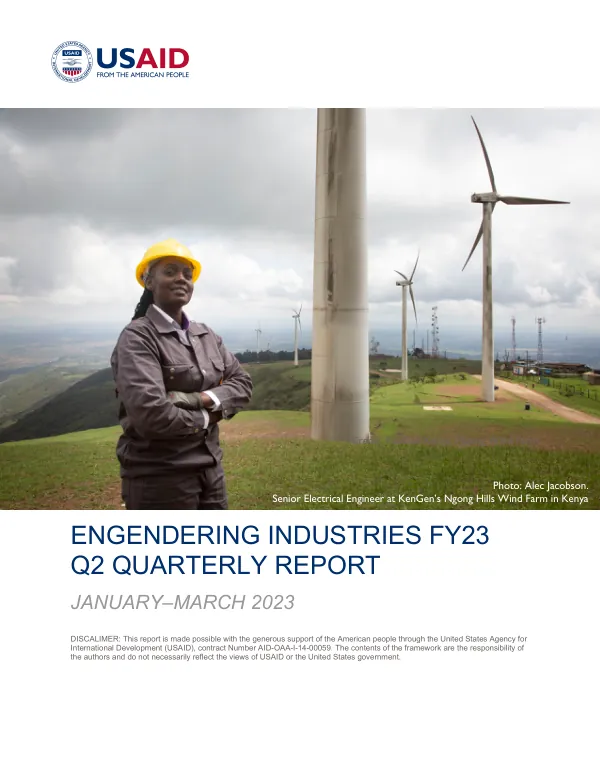
Engendering Industries FY20 Q3 Report
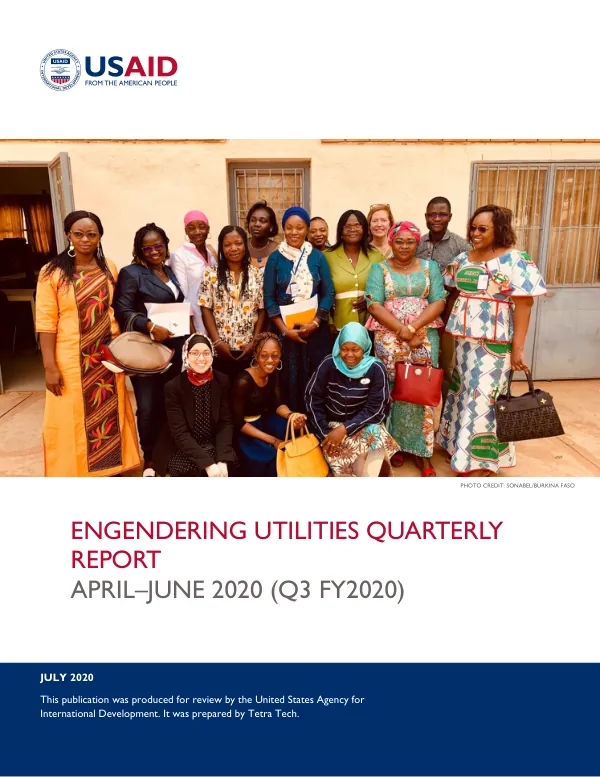
The Engendering Utilities Quarterly Report for Q3 FY2020 highlights the progress made by the project in increasing gender equality in the energy and water sectors.
2020 · 72 pages
Sign in to readA free account is required to download.
Abstract
The report emphasizes the importance of organizational change management interventions throughout the employee life cycle (ELC) to achieve this goal. The report notes that the project has partnered with 21 countries and 21 utilities across the region. The project's Gender Equity Executive Leadership Program (GEELP) has been implemented for Cohorts 1, 2, and 3, with a focus on developing customized training programs for utility leaders. The program aims to increase the capacity of utility leaders to implement gender equality interventions in their organizations. The report highlights the success of the project's coaching program, which has provided tailored coaching support for utilities. The coaching program has addressed the needs of utilities as identified in onboarding trips, baseline assessments, and coaching calls. The program has also developed new gender strategies, reviewed existing policies, and built high-quality grievance mechanisms. The report also notes the project's efforts to support the Women in African Power (WiAP) Network, which aims to increase the participation of women in the energy sector. The project has developed a survey to gather information on the successes of Power Africa's successes, regional networks, and activities related to gender. The report emphasizes the importance of monitoring and evaluation (M&E) in tracking the progress of the project. The project has collected baseline data from Cohort 3 utilities and finalized the standard operating procedures for collecting performance indicator data. The project has also revised and finalized the Cohort 2 assessments and scorecards. The report highlights the project's efforts to develop a Best Practices Framework (BPF) to support the implementation of gender equality interventions in utilities. The BPF has been updated to include 17 new best practices and has added resources and tools to support water sector utilities. The report concludes by emphasizing the project's commitment to increasing gender equality in the energy and water sectors. The project aims to achieve this goal by implementing organizational change management interventions throughout the ELC and providing tailored coaching support for utilities. Key findings and conclusions: * The project has made significant progress in increasing gender equality in the energy and water sectors. * The project's GEELP has been implemented for Cohorts 1, 2, and 3, with a focus on developing customized training programs for utility leaders. * The project's coaching program has provided tailored coaching support for utilities, addressing their needs and addressing the needs of utilities as identified in onboarding trips, baseline assessments, and coaching calls. * The project has supported the Women in African Power (WiAP) Network, which aims to increase the participation of women in the energy sector. * The project has collected baseline data from Cohort 3 utilities and finalized the standard operating procedures for collecting performance indicator data. * The project has updated the Best Practices Framework (BPF) to include 17 new best practices and added resources and tools to support water sector utilities. Recommendations: * Continue to implement the GEELP for Cohorts 1, 2, and 3, with a focus on developing customized training programs for utility leaders. * Provide ongoing coaching support for utilities, addressing their needs and addressing the needs of utilities as identified in onboarding trips, baseline assessments, and coaching calls. * Continue to support the Women in African Power (WiAP) Network, which aims to increase the participation of women in the energy sector. * Continue to collect baseline data from Cohort 3 utilities and finalize the standard operating procedures for collecting performance indicator data. * Update the Best Practices Framework (BPF) to include new best practices and add resources and tools to support water sector utilities.
Related documents