USAID DEC
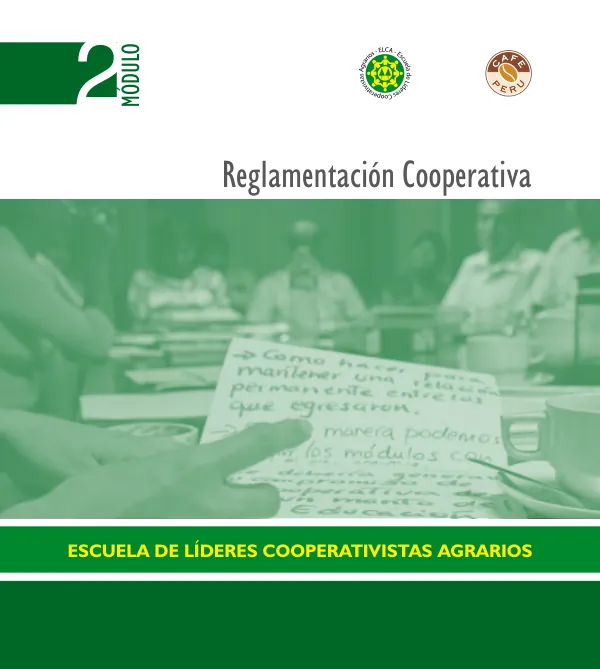
Escuela de Líderes Cooperativistas Agrarios
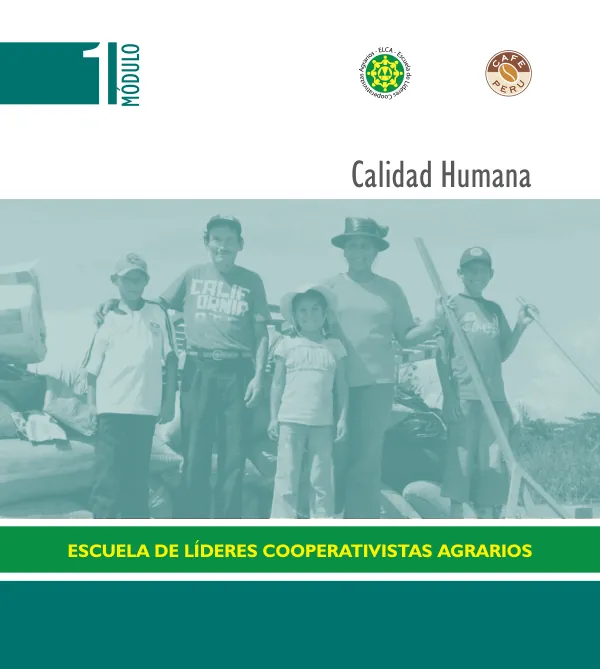
The Escuela de Líderes Cooperativistas Agrarios is a training program developed by the Central Café y Cacao del Perú, a second-grade organization formed by over 9,000 small-scale coffee and cacao farmers in Peru.
2010 · 72 pages
Sign in to readA free account is required to download.
Abstract
The program aims to strengthen the management capacities of cooperative leaders and promote the development of their organizations. The Central Café y Cacao del Perú was founded on March 14, 2003, and has successfully positioned Peruvian coffee and cacao in the international market. Initially, the program, called Escuela de Dirigentes, focused on training cooperative leaders in management skills and promoting gender equity. However, the organization recognized that the need for training was not limited to its member cooperatives, and thus expanded the program to become the Escuela de Líderes Cooperativistas Agrarios, a national program for all organizations operating under the cooperative model. The program's objective is to develop the skills and knowledge of cooperative leaders, enabling them to effectively manage their organizations and promote their development. The program is based on the principles of sustainability and gender equity, and is designed to support the growth and success of cooperative organizations in Peru. The Escuela de Líderes Cooperativistas Agrarios is a result of the collaboration between the Central Café y Cacao del Perú, SOS FAIM, the DGCD of Belgium, and USAID/PERÚ's Program of Alternative Development. The program's development was also made possible through the support of the organization's member cooperatives, as well as the contributions of cooperative leaders, administrators, and technicians, and the first group of graduates. The program's success is attributed to the critical analysis and opinions provided by the graduates, who have helped to shape the program's concepts and make them more viable in reality. The Escuela de Líderes Cooperativistas Agrarios is an important initiative that aims to promote the development of cooperative organizations in Peru and contribute to the country's economic growth. The program's curriculum is designed to cover various aspects of cooperative management, including leadership, governance, finance, marketing, and human resources. The training program is delivered through a combination of theoretical and practical sessions, case studies, and group work, and is tailored to meet the specific needs of each participating organization. The Escuela de Líderes Cooperativistas Agrarios has the potential to make a significant impact on the development of cooperative organizations in Peru, and contribute to the country's economic growth and social development. The program's success will depend on the continued support of its partners, the commitment of its participants, and the effective implementation of its training programs. The Central Café y Cacao del Perú is confident that the Escuela de Líderes Cooperativistas Agrarios will contribute to the development of cooperative organizations in Peru and promote the country's economic growth. The program's success will be measured through the improvement of cooperative leaders' skills and knowledge, the increase in the number of successful cooperative organizations, and the positive impact on the lives of small-scale farmers and their communities.
Related documents