USAID | PROJECTO DELIVER
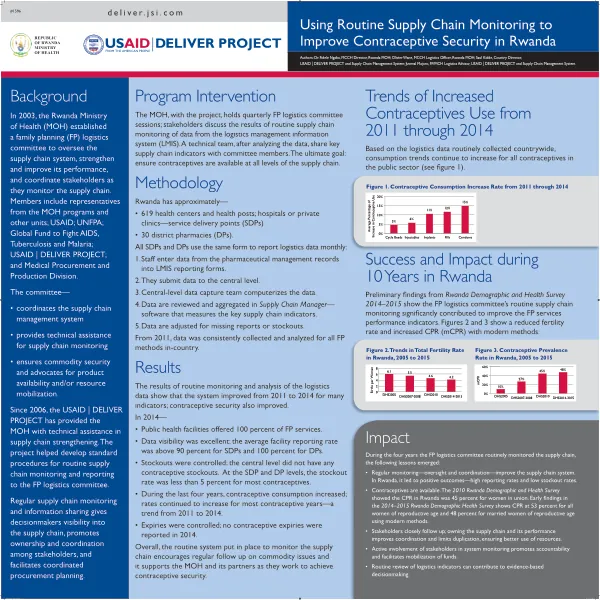
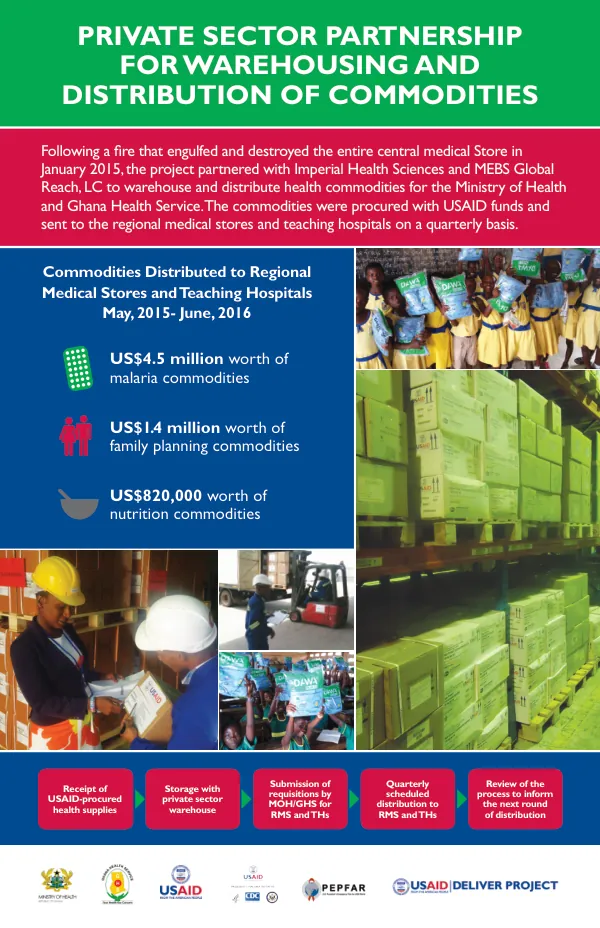
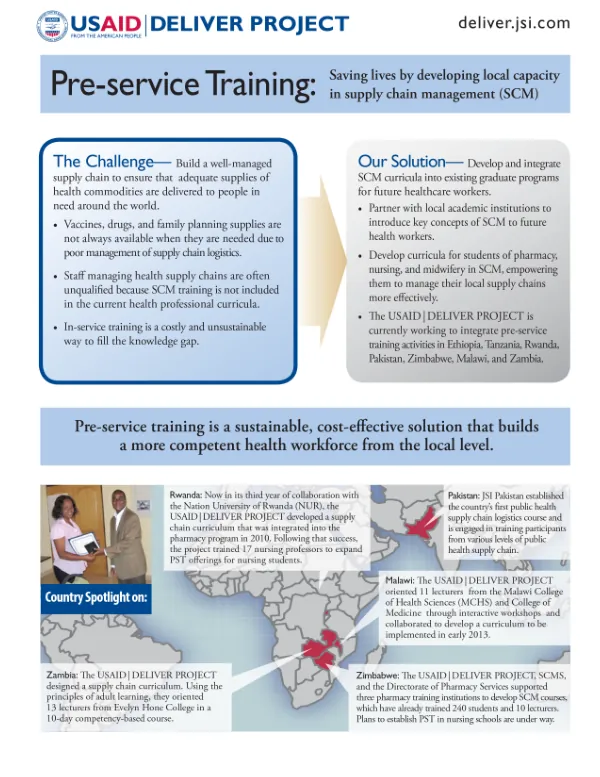
Fact Sheet on Pre-Service Training
The region's agricultural sector was characterized by small-scale farming, with the majority of farmers relying on rain-fed agriculture and lacking access to modern inputs and technologies.
2013 · 1 pages
Sign in to readA free account is required to download.
Abstract
The training programs emphasized the importance of soil conservation, crop rotation, and composting, with a focus on improving soil fertility and reducing erosion. The program's success in engaging women-headed households was attributed to the provision of training and support tailored to their specific needs and circumstances. The evaluation also highlighted the importance of integrating market access interventions with agricultural training and support, as this combination was found to have a more significant impact on household income and food security. The program's geographic focus was on Eastern Province, where the majority of Rwanda's agricultural production takes place. The region's agricultural sector is characterized by small-scale farming, with the majority of farmers relying on rain-fed agriculture and lacking access to modern inputs and technologies. The program's success in improving crop yields, household income, and food security in Eastern Province has significant implications for Rwanda's overall agricultural development and food security.
Connected topics