GOVERNMENT OF UGANDA
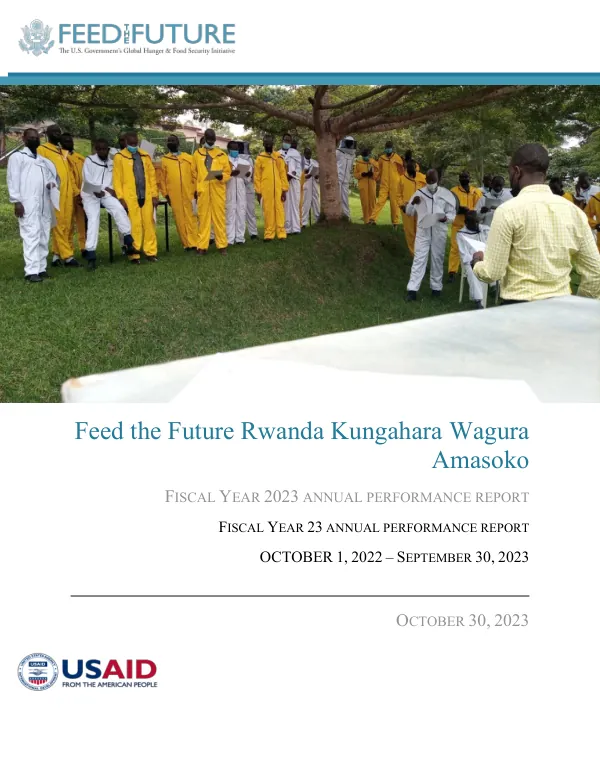
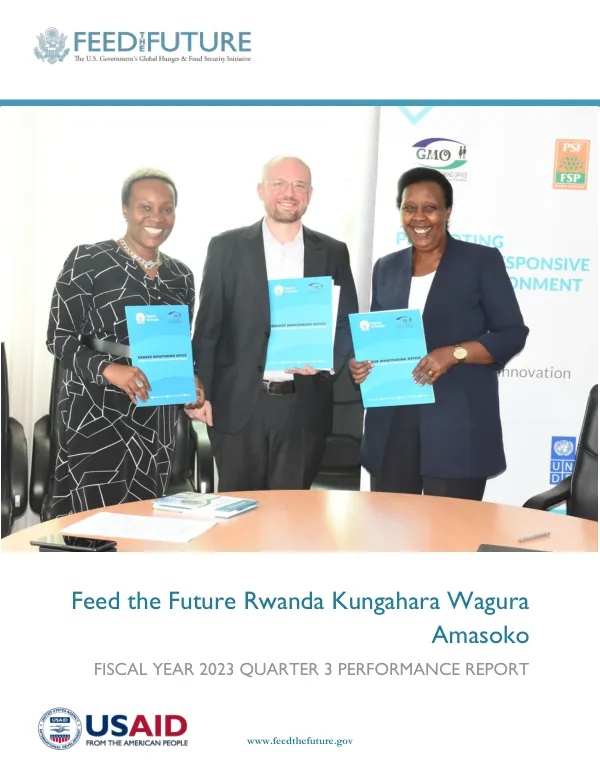
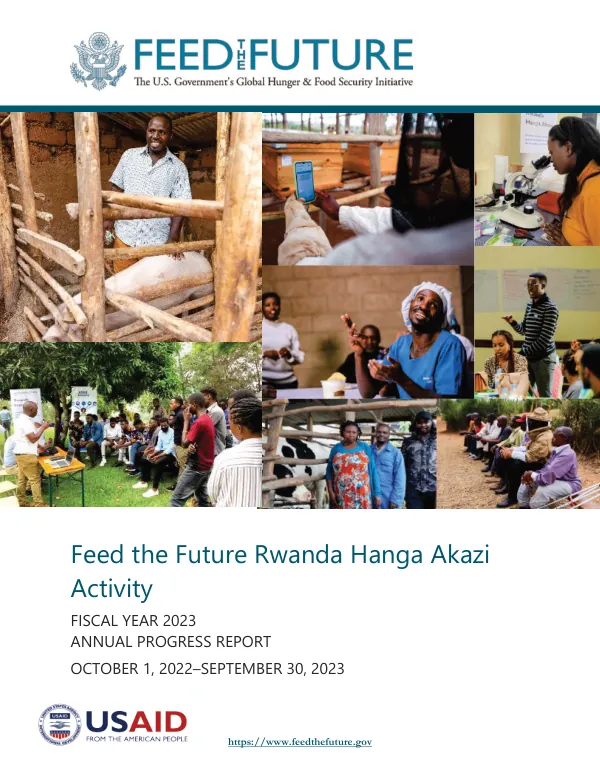
Feed the Future Rwanda Hanga Akazi Activity Fiscal Year 2023 Annual Progress Report
The Feed the Future Rwanda Hanga Akazi Activity is a USAID-funded program aimed at improving the livelihoods of Rwandans through workforce development and private sector growth.
2023 · 139 pages
Sign in to readA free account is required to download.
Abstract
The program focuses on increasing the knowledge and skills of Rwandans to serve labor and consumer markets domestically, regionally, and globally. This is achieved through training programs, infrastructure development, and market linkage facilitation. The program's implementation is divided into three key interventions: workforce development, private sector access to resources, and business incentives to grow inclusively. Workforce development involves training programs for farmers, entrepreneurs, and other stakeholders in areas such as sustainable agriculture, financial literacy, and management skills. Private sector access to resources includes initiatives to improve access to finance, technology, and markets for small and medium-sized enterprises (SMEs). Business incentives to grow inclusively involve promoting inclusive human resource management practices, disability inclusion, and women's empowerment. The program's geographic focus is on Rwanda, with a specific emphasis on the agri-food sector. The program's timeframes are from October 1, 2022, to September 30, 2023, with a focus on achieving the program's intermediate results (IRs) and annual targets. The program's progress is monitored and evaluated through a range of indicators, including the number of beneficiaries, income generated, and the number of enterprises identified. The program's achievements are reported in the annual progress report, which provides an overview of the program's activities, outcomes, and lessons learned. One of the key achievements of the program is the increase in the number of beneficiaries from piggery activity, with over 30,000 farmers benefiting from the program. The program has also enhanced services delivered by pig inseminators, with over 90% of farmers reporting improved services. Additionally, the program has increased income generated from pig artificial insemination services, with over $1 million generated in the past year. The program has also made significant progress in promoting inclusive human resource management practices, with over 50% of participating firms adopting inclusive HR policies. The program has also increased the number of disability inclusion champion firms, with over 20 firms participating in the program. The program's success is attributed to the strong partnerships with the Government of Rwanda, private sector enterprises, and other stakeholders. The program's forward-thinking approach to workforce development and private sector growth has facilitated the establishment of inclusive job opportunities within the agri-food sector. The program's achievements are reported in the annual progress report, which provides a comprehensive overview of the program's activities, outcomes, and lessons learned. The report highlights the program's successes, challenges, and areas for improvement, providing valuable insights for future program implementation.