DAI GLOBAL, LLC
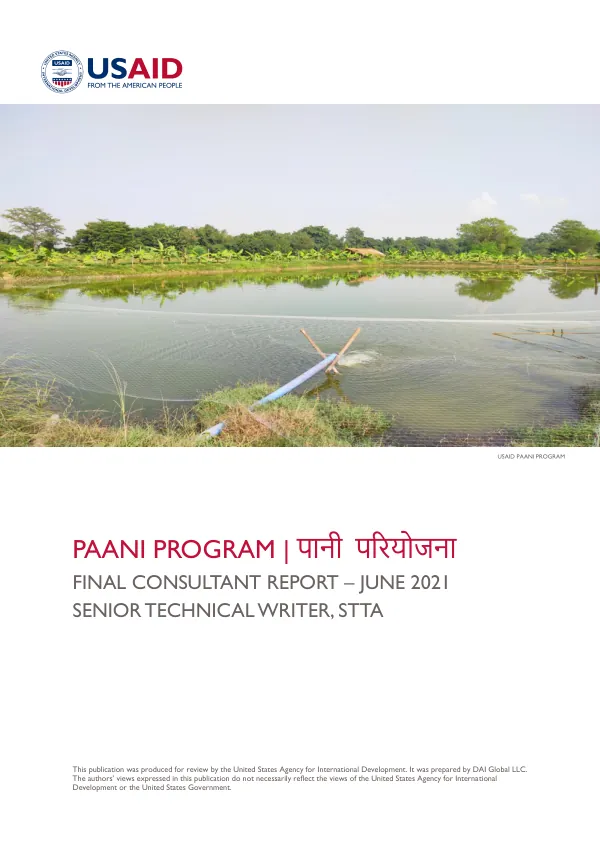
Final Consultant Report – June 2021: PAANI PROGRAM
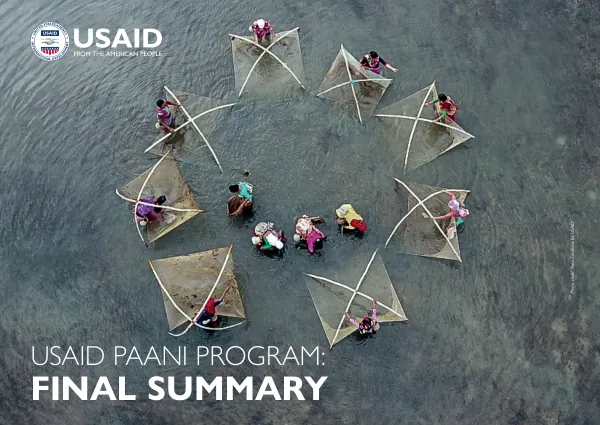
The USAID Paani Program, implemented in Nepal, aimed to improve water management and sanitation practices among rural communities.
2021 · 14 pages
Sign in to readA free account is required to download.
Abstract
The program, which began in 2016, focused on enhancing the capacity of local governments and communities to manage water resources sustainably. Key interventions included the development of water management plans, establishment of community-managed water supply systems, and promotion of water conservation practices. The program also supported the construction of water harvesting structures, such as ponds and canals, to improve water availability during dry seasons. The program's impact was assessed through a series of evaluations and surveys, which revealed significant improvements in water management practices and access to safe drinking water. For instance, the number of households with access to improved water sources increased from 30% to 70% during the program period. Additionally, the program helped to reduce water-borne diseases, such as diarrhea and cholera, by 40%. The program's success was attributed to its collaborative approach, which involved local governments, communities, and stakeholders in the planning and implementation process. The program also leveraged the expertise of international partners, including the United States Forest Service (USFS) and the Nepal government's Department of Water Supply and Sewerage. Implementation of the program was carried out through a series of task orders, which were managed by DAI Global LLC, the program's implementing partner. The program's progress was monitored and evaluated through regular reporting and assessments, which informed program adjustments and improvements. The program's legacy is expected to continue beyond its completion, with local governments and communities equipped to manage water resources sustainably. The program's impact is also expected to contribute to the achievement of Nepal's national development goals, including the reduction of poverty and improvement of public health. The program's final progress report and summary eBook, produced by the Senior Technical Writer, provide a comprehensive overview of the program's achievements and lessons learned. The report highlights the program's successes, including the improvement of water management practices and access to safe drinking water, as well as the challenges faced during implementation. The report also provides recommendations for future programs and initiatives aimed at improving water management and sanitation practices in Nepal.