USAID
FOOD FOR PEACE (P.L. 480, Titles II and III) [FORMERLY USAID HANDBOOK 9]
The Food for Peace program, also known as P.L.
2017 · 522 pages
Sign in to readA free account is required to download.
![FOOD FOR PEACE (P.L. 480, Titles II and III) [FORMERLY USAID HANDBOOK 9]](https://covers.devme.ai/gen/148720.webp)
Abstract
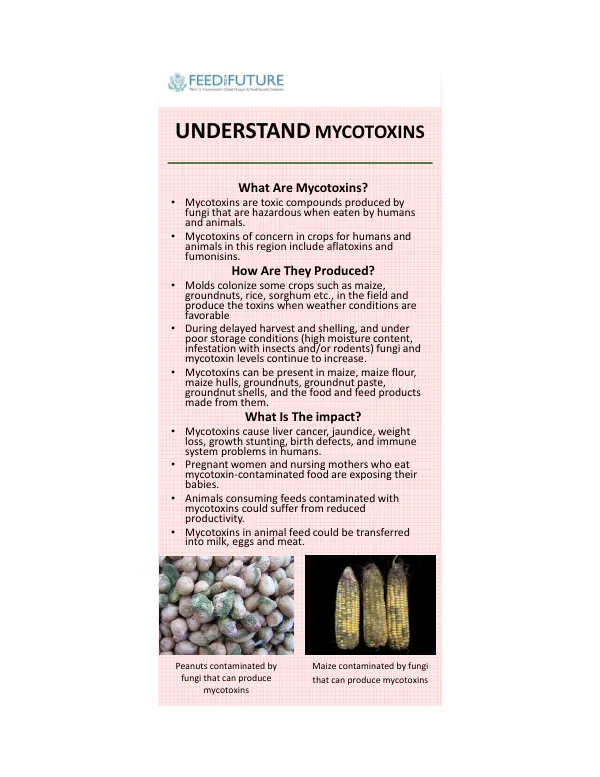
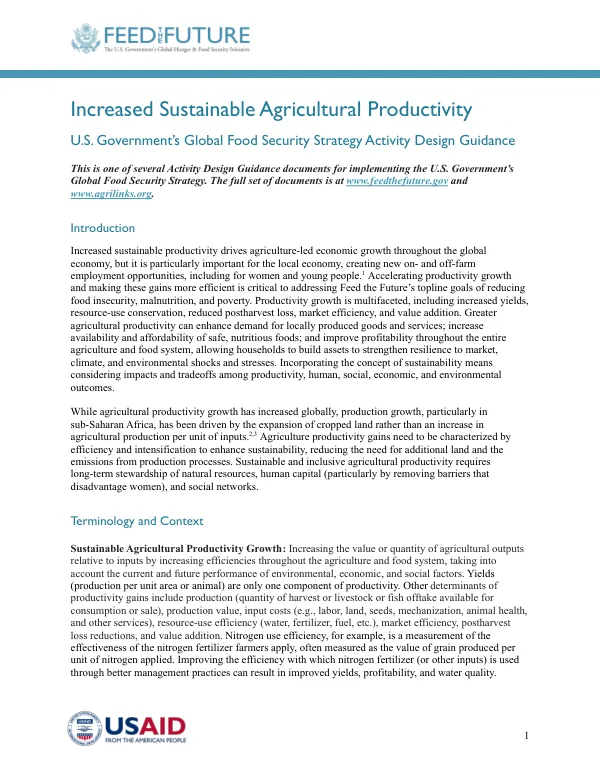
480, is a United States government initiative aimed at providing food assistance to developing countries. The program is authorized under Titles II and III of the Agricultural Trade Development and Assistance Act of 1954, as amended. Title II focuses on emergency and private assistance, while Title III focuses on food for development. Title II programs are designed to provide emergency food assistance to countries facing food shortages or other crises. These programs can be implemented in response to natural disasters, conflicts, or other situations that threaten food security. Title II programs can be implemented through various channels, including cooperating sponsors, non-governmental organizations, and government agencies. Title III programs, on the other hand, focus on long-term food development and are designed to help countries achieve self-sufficiency in food production. These programs can include a range of activities, such as agricultural development, food storage and distribution, and market development. Title III programs are typically implemented in partnership with cooperating countries and can involve a range of stakeholders, including government agencies, non-governmental organizations, and private sector entities. The Food for Peace program is overseen by the United States Agency for International Development (USAID), which is responsible for implementing the program and ensuring that it is carried out in accordance with U.S. law and policy. USAID works closely with cooperating countries, non-governmental organizations, and other stakeholders to design and implement Food for Peace programs that meet the needs of the target countries. The program has several key components, including commodity selection, procurement, and distribution. Commodities are selected based on the needs of the target country and the availability of resources. Procurement involves purchasing commodities from suppliers and arranging for their transportation to the target country. Distribution involves delivering the commodities to the intended recipients, such as food banks, schools, or other organizations. The Food for Peace program also has a strong focus on monitoring and evaluation. This involves tracking the progress of the program and assessing its impact on food security and other development outcomes. Monitoring and evaluation are critical components of the program, as they help to ensure that the program is meeting its objectives and making a positive impact on the target countries. In addition to its focus on food assistance, the Food for Peace program also has a strong emphasis on capacity building and institutional development. This involves working with cooperating countries and other stakeholders to build their capacity to manage and implement food assistance programs. This can involve providing training and technical assistance, as well as supporting the development of policies and institutions that promote food security and development. The program also has a range of guidelines and regulations that govern its implementation. These guidelines and regulations are designed to ensure that the program is carried out in accordance with U.S. law and policy, and that it is implemented in a way that is transparent, accountable, and effective. Some of the key guidelines and regulations include the Food for Peace Act, the Agricultural Trade Development and Assistance Act of 1954, as amended, and the USAID regulation 11. Overall, the Food for Peace program is a critical component of U.S. foreign assistance policy, and it plays an important role in promoting food security and development in developing countries. The program has a long history of success, and it continues to be an important tool for addressing food insecurity and promoting development around the world.
Related documents