FLORIDA INTERNATIONAL UNIVERSITY
Mycotoxin awareness - CARD_FINISH
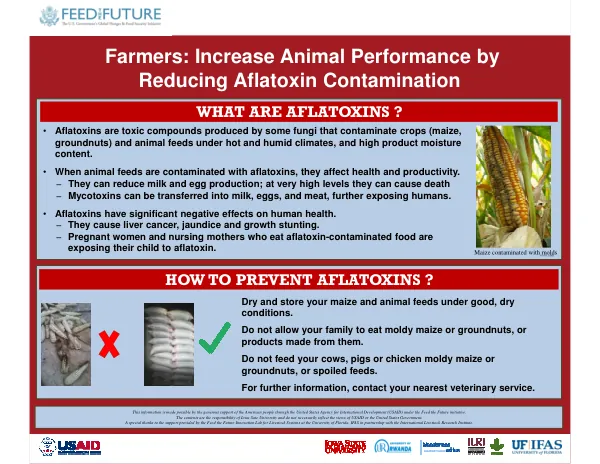
Mycotoxins are toxic compounds produced by fungi that pose a significant threat to human and animal health when ingested.
2017 · 2 pages
Sign in to readA free account is required to download.
Abstract
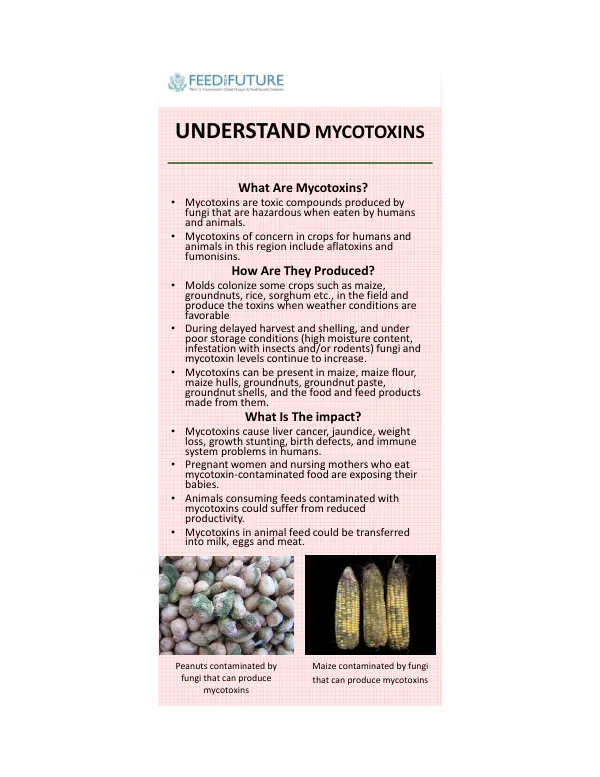
The primary mycotoxins of concern in crops for both humans and animals in this region are aflatoxins and fumonisins. These toxins can have severe consequences for human health, including liver cancer, jaundice, weight loss, growth stunting, birth defects, and immune system problems. Mycotoxins are produced by molds that colonize crops such as maize, groundnuts, rice, and sorghum in the field. Favorable weather conditions allow the molds to produce the toxins, which can continue to increase in levels during delayed harvest and shelling, and under poor storage conditions characterized by high moisture content, infestation with insects and/or rodents. Mycotoxins can be present in various food and feed products made from these crops, including maize, maize flour, maize hulls, groundnuts, groundnut paste, groundnut shells, and other related products. The impact of mycotoxins on human health is substantial, with pregnant women and nursing mothers who consume mycotoxin-contaminated food exposing their babies to potential harm. Animals consuming feeds contaminated with mycotoxins may suffer from reduced productivity, and the toxins can be transferred into milk, eggs, and meat. The consequences of mycotoxin exposure are far-reaching, highlighting the need for effective prevention and control measures. Preventing mycotoxins requires a multi-faceted approach that involves proper crop management practices. Harvesting crops in a timely manner is crucial, as is drying or shelling them immediately after harvest to prevent fungal colonization and toxin accumulation. Storing dried crops in a clean, dry place using proven methods such as hermetic bags and silos can also help prevent mycotoxin contamination. Additionally, separating diseased crops from healthy ones, de-husking ears for faster drying, and using methods that do not damage kernels can help minimize the risk of mycotoxin production. Effective prevention and control measures can be implemented at various stages of crop production, from planting to storage. By adopting these practices, farmers and producers can significantly reduce the risk of mycotoxin contamination and ensure the safety of food and feed products for human and animal consumption.
Related documents