USAID DEC
Gender and Social Inclusion Analysis | Feed the Future Tajikistan Agriculture and Land Governance Activity
Sign inBANK FOR WEST AFRICAN DEVELOPMENT
Gender and Social Inclusion Analysis | Feed the Future Tajikistan Agriculture and Land Governance Activity
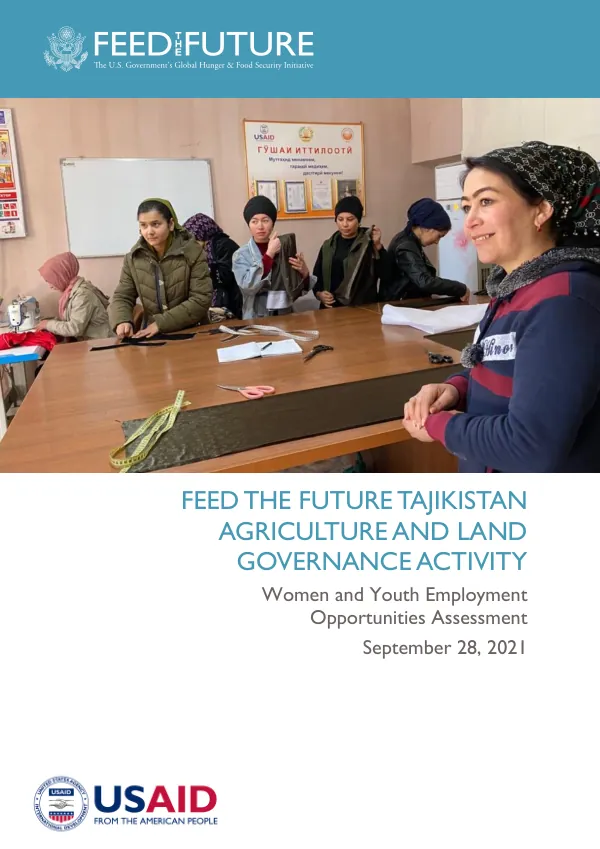
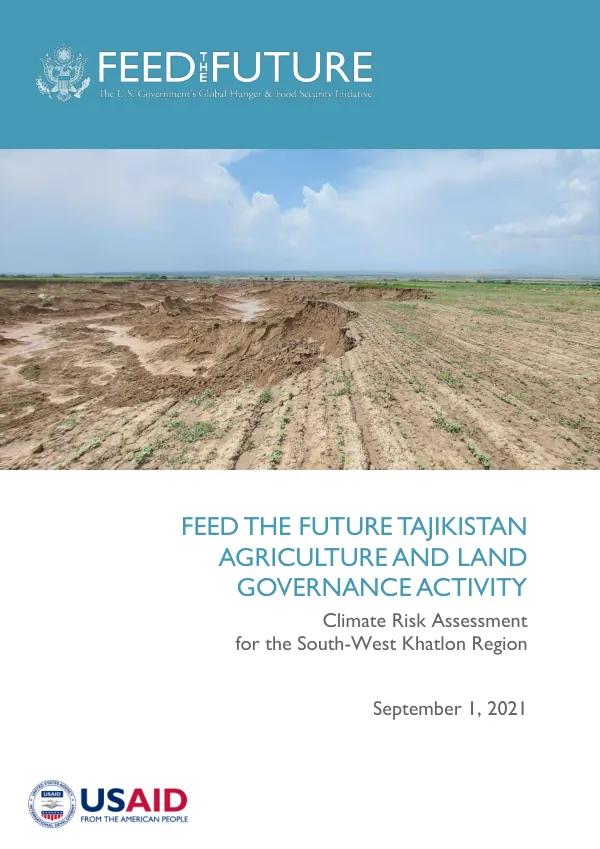
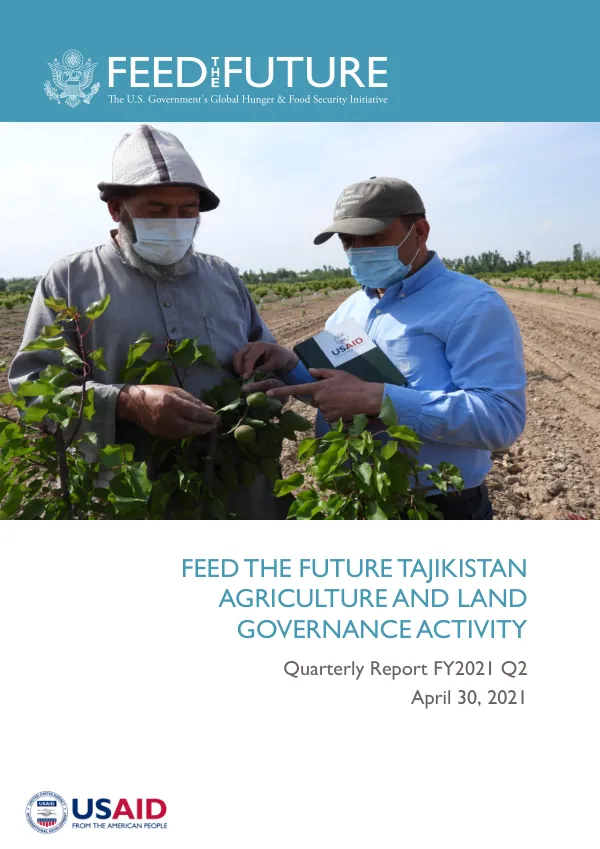
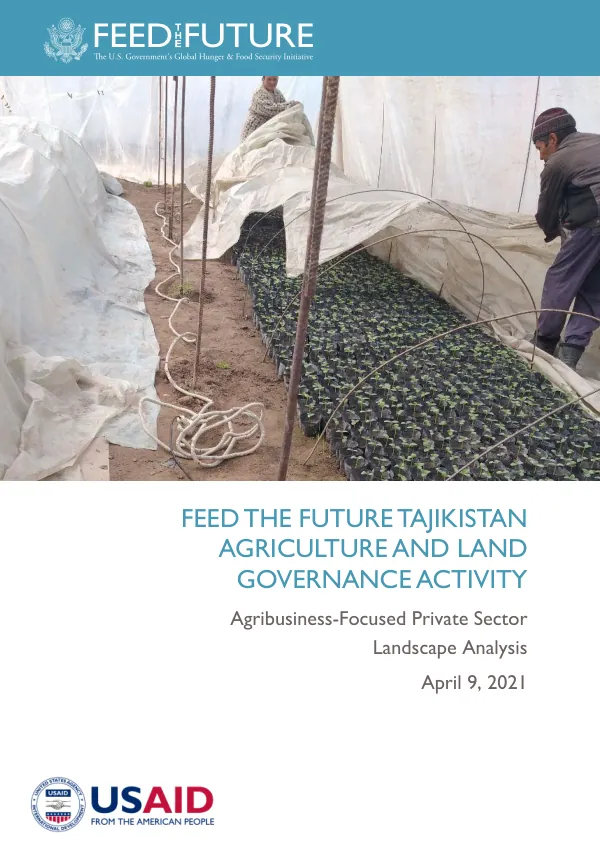
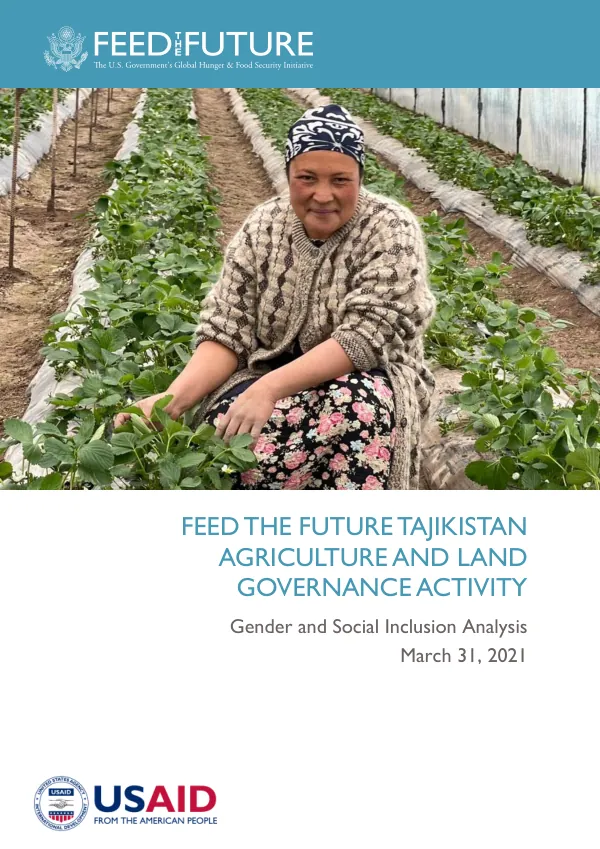
The Feed the Future Tajikistan Agriculture and Land Governance Activity conducted a Gender and Social Inclusion Analysis in 12 target districts of Khatlon.
2021 · 107 pages
Sign in to readA free account is required to download.
Abstract
The assessment aimed to identify key challenges and opportunities for promoting gender equity and social inclusion in agricultural development. A diverse team of experts, led by a Senior Advisor with Resource Equity, coordinated the analysis locally. The analysis involved collecting primary data through focus group discussions, key informant interviews, and individual household-level interviews. A Gender specialist and a Behavioral Change and Capacity Building Specialist contributed to developing survey questionnaires and conducted fieldwork in the target districts. Community Agriculture Volunteers and District Officers from IntraHealth supported data collection and facilitation of household-level interviews. The assessment identified several key challenges and opportunities for promoting gender equity and social inclusion in agricultural development. The analysis also highlighted the importance of addressing social inclusion in agricultural development. The State Program of Providing Targeted Social Assistance (ASP) and the Committee of Women and Family Affairs (CWFA) were identified as key institutions for promoting social inclusion. The Asian Development Bank (ADB) and the European Bank for Reconstruction and Development (EBRD) provided strategic support and reference leads for the analysis. The assessment recommended that the Feed the Future Tajikistan Agriculture and Land Governance Activity prioritize promoting gender equity and social inclusion in agricultural development. This can be achieved through targeted interventions, such as training programs for farmers and agricultural advisory services. The analysis also emphasized the need for continued support from the Government of Tajikistan, civil society organizations, and international partners to promote social inclusion and address the challenges faced by women and marginalized groups in agricultural development. The assessment's findings and recommendations have implications for the Feed the Future Tajikistan Agriculture and Land Governance Activity's future programming and partnerships. The analysis provides a foundation for developing targeted interventions that promote gender equity and social inclusion in agricultural development, ultimately contributing to improved food security and economic growth in Tajikistan.