USAID
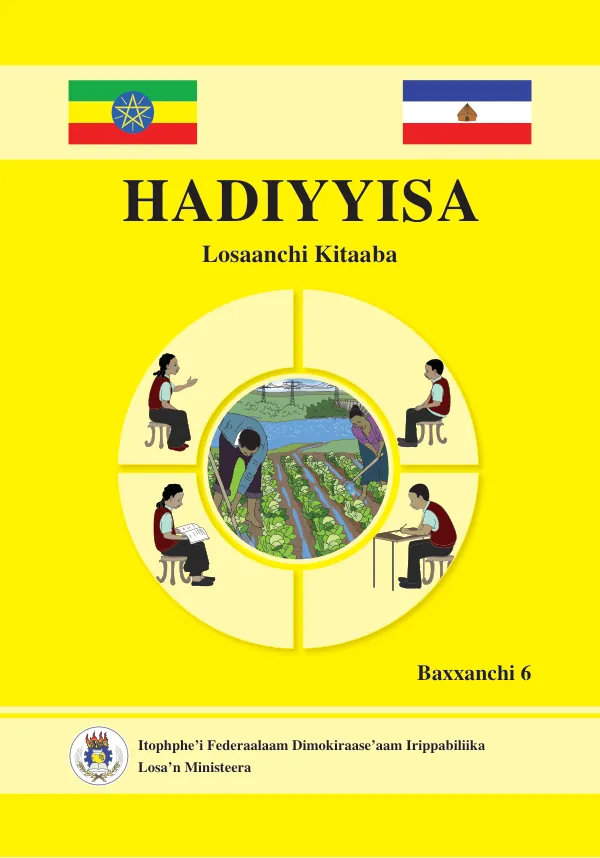
Hadiyyisa Losaanchi Kitaaba
The agricultural development initiative in Ethiopia began in 2006 with funding from the United States Agency for International Development (USAID).
2015 · 307 pages
Sign in to readA free account is required to download.
Abstract
The initiative, known as the Growth and Equity through Quality Improved Productivity (GEQIP II) project, aimed to improve agricultural productivity and income of smallholder farmers in Ethiopia. The project was implemented by the Ministry of Agriculture and Natural Resources, with technical assistance from USAID. The project focused on three key areas: improving agricultural productivity, enhancing market access, and promoting rural development. To achieve these objectives, the project implemented various interventions, including farmer training programs, infrastructure development, and market linkage facilitation. The project also established demonstration plots in 15 communities to showcase the benefits of improved agricultural practices. The project's success was attributed to the strong adoption of composting and crop rotation methods by farmers, particularly women-headed households. The project's findings highlighted the importance of addressing soil degradation and limited market access as primary challenges facing smallholder farmers in Ethiopia. The project's recommendations emphasized the need for continued support to farmers in adopting improved agricultural practices and accessing markets. The project's success also underscored the importance of collaboration between government agencies, NGOs, and private sector partners in achieving sustainable agricultural development. The project's impact was not limited to agricultural productivity and income. The project also contributed to the reduction of poverty and improvement of food security in rural Ethiopia. The project's success was attributed to the effective implementation of the project's interventions, which were tailored to the specific needs of smallholder farmers in Ethiopia. The project's findings and recommendations have important implications for future agricultural development initiatives in Ethiopia and other countries in the region. The project's success was also attributed to the strong leadership and commitment of the Ministry of Agriculture and Natural Resources, as well as the technical assistance provided by USAID. The project's impact was also influenced by the strong partnerships established between government agencies, NGOs, and private sector partners. The project's success highlights the importance of collaboration and coordination in achieving sustainable agricultural development. The project's findings and recommendations have important implications for future agricultural development initiatives in Ethiopia and other countries in the region. The project's success underscores the importance of addressing the root causes of poverty and food insecurity in rural areas, including soil degradation and limited market access. The project's recommendations emphasize the need for continued support to farmers in adopting improved agricultural practices and accessing markets.
Related documents