WINROCK INTERNATIONAL FOUNDATION
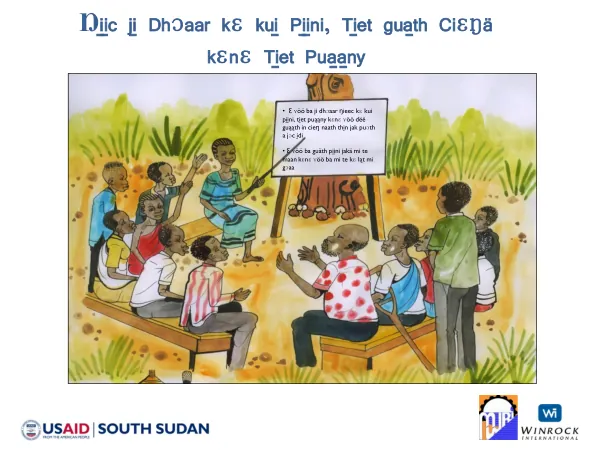
Hand washing at critical times
The agricultural development initiative in South Sudan began in 2011 with funding from Winrock International.
2011 · 47 pages
Sign in to readA free account is required to download.
Abstract
The initiative also addressed livestock health issues, including cholera, typhoid, bilharzia, and worms. Farmers were trained on proper animal husbandry practices, and veterinary services were provided to improve livestock productivity. The initiative also focused on improving water quality and sanitation, with a goal of reducing waterborne diseases. A key component of the initiative was the establishment of community-based health programs, which provided training and support to community health workers. These workers were equipped to diagnose and treat common diseases, including cholera, typhoid, and bilharzia. The initiative also provided support for the development of community-based water and sanitation systems. The initiative's impact was evaluated through regular monitoring and evaluation activities. Results showed significant improvements in crop yields, livestock productivity, and community health outcomes. The initiative also contributed to the development of a more sustainable and resilient agricultural sector in South Sudan. The initiative's success was attributed to the strong partnerships established between Winrock International, local communities, and government agencies. The initiative's approach, which emphasized community-led development and participatory decision-making, was seen as a key factor in its success. The initiative's impact was also seen as a model for future agricultural development initiatives in the region.