USAID DEC
Human and Institutional Capacity Development Gap Analysis in Ethiopia: Summary Report and Recommendations
Sign inFLORIDA INTERNATIONAL UNIVERSITY
Human and Institutional Capacity Development Gap Analysis in Ethiopia: Summary Report and Recommendations
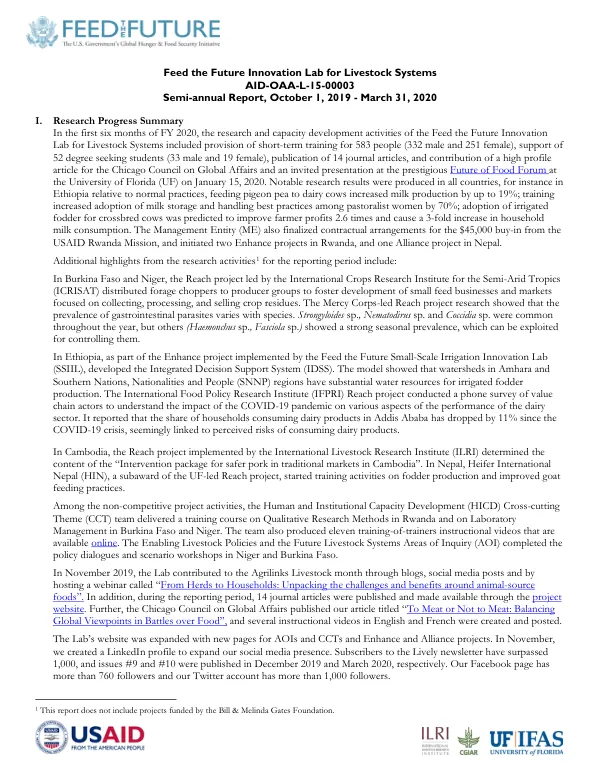
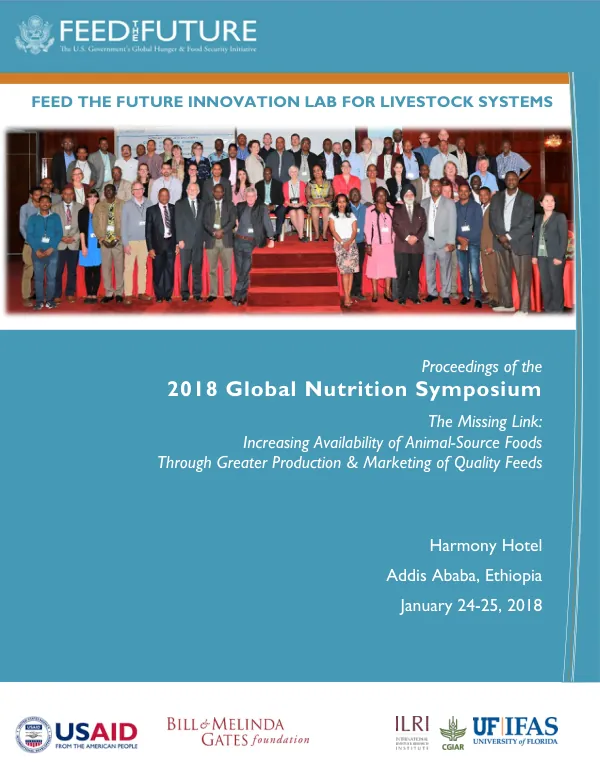
The Feed the Future Innovation Lab for Livestock Systems, a five-year initiative, was established by the University of Florida's Institute of Food and Agricultural Sciences (IFAS) with funding from the U.S.
2019 · 22 pages
Sign in to readA free account is required to download.
Abstract
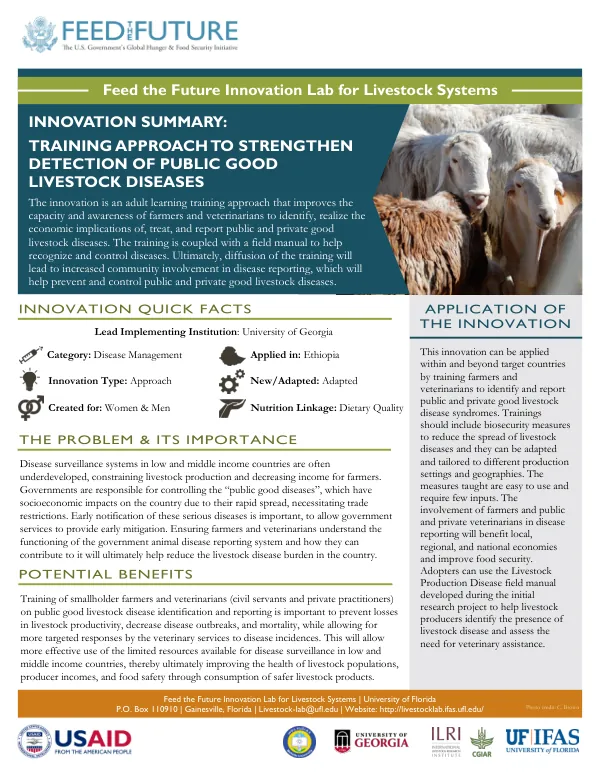
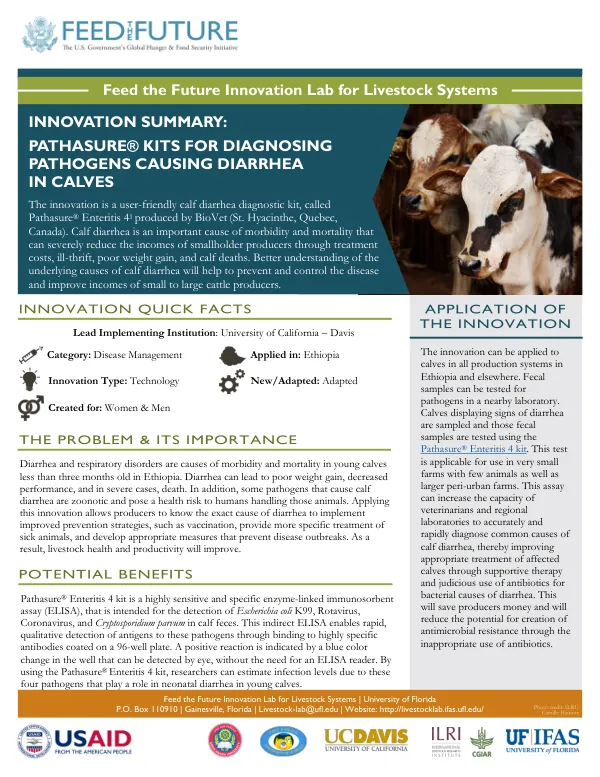
Agency for International Development (USAID). The initiative supports USAID's agricultural research and capacity building work under Feed the Future, the U.S. Government's global hunger and food security initiative. The International Livestock Research Institute (ILRI) partners with UF/IFAS in implementing the Livestock Systems Innovation Lab. Given their research and teaching capacities, Haramaya University, Gondar University, and Hawassa University are strategic institutions for many of the Livestock Systems Innovation Lab's projects in Ethiopia. A rapid gap analysis was conducted to assess the human and institutional capacity development (HICD) strengths and weaknesses of these three universities as providers of research, education, and workforce development in livestock systems. The analysis included in-depth interviews and focus groups with stakeholders internal to and external to the three universities. The rapid gap analysis investigated the strengths and weaknesses of the university at the individual, organizational, and enabling environment levels. The questions were intended to determine the training needs for improving research and teaching in livestock systems as well as the blockages to effective research and teaching within the organization and environment. The analysis revealed institutional strengths and challenges across the three universities. Haramaya University, Gondar University, and Hawassa University demonstrated strengths in various areas, including research and teaching capacities. However, challenges were identified at the human, organizational, and enabling environment levels. At the human level, challenges included limited training and capacity development opportunities for faculty and staff. At the organizational level, challenges included inadequate infrastructure, limited resources, and ineffective policies. At the enabling environment level, challenges included a lack of support from government and other stakeholders. The Livestock Systems Innovation Lab's capacity development approach emphasizes the connection between building the capacity of an individual and organization, and systemic change at the institutional and enabling environment level. Human capacity development can only function for the growth of the individual, organization, and institution when newly acquired skills are supported by infrastructure, resources, policies, and the capacity to change and adapt. In-depth analyses of human and organizational capacity, institutional gap assessments, and collaboration with key stakeholders must be conducted to fully address HICD needs. Recommendations were made for next steps in the development of a work plan involving Haramaya, Gondar, and Hawassa Universities and the Livestock Systems Innovation Lab. These recommendations included providing training and capacity development opportunities for faculty and staff, improving infrastructure and resources, and developing effective policies. Additionally, recommendations were made to strengthen collaboration with government and other stakeholders to support the development of livestock systems in Ethiopia.
Related documents