USAID
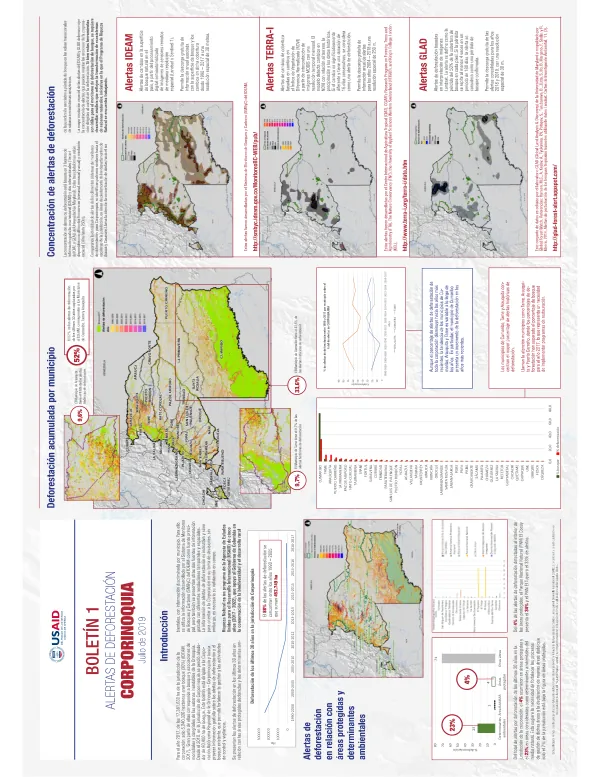
Infografia Boletin Corporinoquia
The region's agricultural sector was characterized by small-scale farming, with most households relying on subsistence farming practices.
2019 · 1 pages
Sign in to readA free account is required to download.
Abstract
The training programs emphasized the importance of crop rotation, composting, and conservation agriculture to improve soil fertility and reduce erosion. The program's success in engaging women-headed households was attributed to the provision of training and support tailored to their specific needs. The program's impact on household income and food security was attributed to the combination of improved agricultural productivity and increased market access. The results of the midterm evaluation provided valuable insights for program scaling and replication. The program's geographic focus was on Eastern Province, with a specific emphasis on the districts of Kirehe and Nyagatare. The region's agricultural sector was characterized by its high potential for growth, with the program aiming to leverage this potential to improve food security and reduce poverty. The program's success in Rwanda has implications for agricultural development initiatives in other countries, highlighting the importance of integrated approaches that address both agricultural productivity and market access.
Classification
- Document type
Related documents