USAID DEC
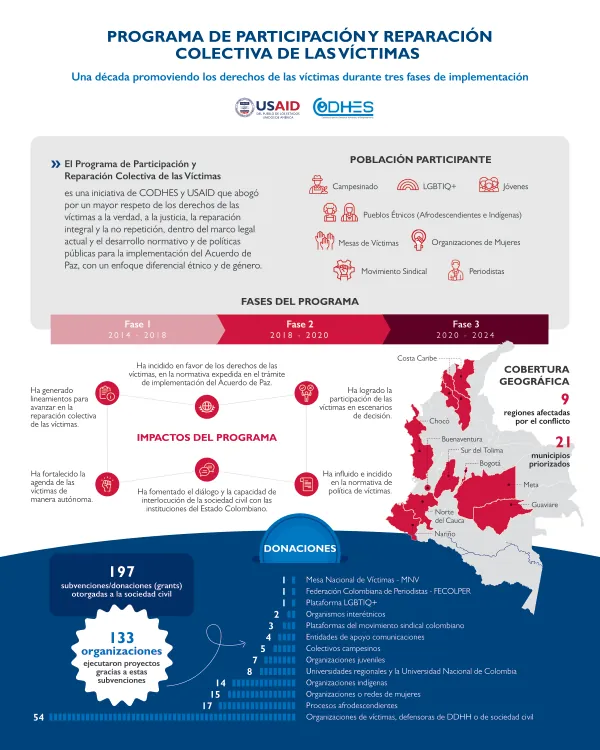
Infografia General del Programa Final
The region's agricultural sector was characterized by small-scale farming, with the majority of farmers relying on rain-fed agriculture and lacking access to modern inputs and technologies.
2024 · 2 pages
Sign in to readA free account is required to download.
Abstract
The training programs emphasized the importance of conservation agriculture, integrated pest management, and crop diversification. Farmers were also provided with access to improved seeds, fertilizers, and irrigation systems. The initiative's focus on women's empowerment and gender equality was seen as a key factor in the program's success. Women's participation in decision-making and leadership roles within their households and communities was also observed to increase. The program's impact on poverty reduction and economic growth was also significant, with a notable increase in the number of households classified as food secure. The initiative's success was attributed to the collaborative efforts of local stakeholders, including farmers, extension agents, and government officials. The initiative's geographic focus was primarily on Eastern Province, with a secondary focus on other regions with similar agricultural challenges. The program's timeframes were divided into three phases: planning and implementation (2018-2020), midterm evaluation (2020-2021), and final evaluation (2021-2022). Recommendations for future initiatives included scaling up the program to other regions, increasing support for women-headed households, and strengthening partnerships with local stakeholders.
Classification