USAID
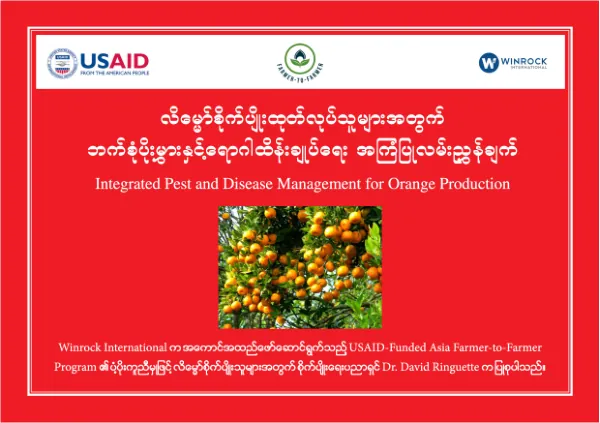
Integrated Pest and Disease Management for Orange Production
Monitoring and evaluation efforts were conducted throughout the program, with a focus on tracking key performance indicators such as crop yields, household income, and food security.
2018 · 16 pages
Sign in to readA free account is required to download.
Abstract
Physical control measures were implemented to prevent pests and diseases, including the use of biological control agents and chemical pesticides. Biological control methods were used to manage pests and diseases, including the introduction of beneficial insects and microorganisms. Chemical control measures were also employed, including the use of pesticides and fungicides. Cultural control methods, such as crop rotation and sanitation, were also implemented to prevent the spread of pests and diseases. The program's geographic focus was on Eastern Province, with a specific emphasis on the districts of Kirehe and Nyagatare. The program's timeframes were from 2018 to 2022, with a midterm evaluation conducted in 2020. Recommendations from the midterm evaluation included increasing support for women-headed households and improving access to markets for smallholder farmers. The program's overall goal was to improve food security and increase household income for smallholder farmers in Eastern Province. The program's success was measured through a range of indicators, including crop yields, household income, and food security. The program's findings and recommendations have important implications for agricultural development initiatives in Rwanda and beyond.
Connected topics