USAID DEC
Integration of a multisectorial approach: The experience of HIV counseling and testing at community level as a booster to health-related behavior change in Nampula, Mozambique
Sign inUSAID
Integration of a multisectorial approach: The experience of HIV counseling and testing at community level as a booster to health-related behavior change in Nampula, Mozambique
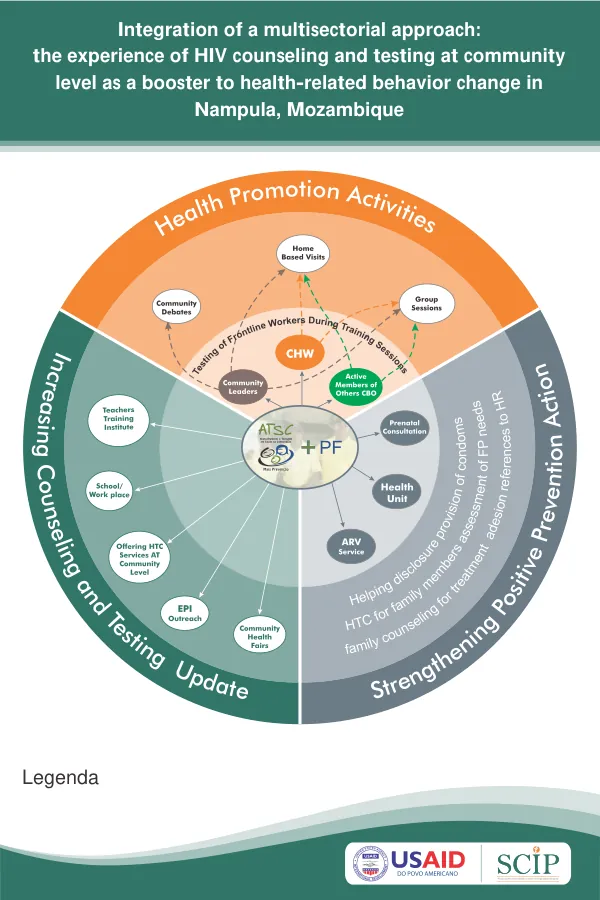
The multisectorial approach to HIV counseling and testing in Nampuba, Mozambique, was implemented in 2015 as part of a broader health initiative.
1 pages
Sign in to readA free account is required to download.
Abstract
The program aimed to increase awareness and knowledge about HIV/AIDS and promote health-related behavior change among community members. The initiative was led by the Mozambican Ministry of Health in collaboration with international partners, including the World Health Organization (WHO) and the United Nations Children's Fund (UNICEF). The program focused on community-based HIV testing and counseling services, which were integrated into existing health services. Community health workers were trained to provide HIV testing and counseling, and to refer clients to antiretroviral therapy (ART) services. The program also included outreach activities, including outreach to hard-to-reach populations, such as migrant workers and sex workers. The outreach activities were designed to increase access to HIV testing and counseling services among these populations. The program's impact was evaluated through a series of studies and assessments. The results showed that the program increased HIV testing rates among community members, particularly among young people and women. The program also led to an increase in the number of individuals accessing ART services. In addition, the program was associated with a reduction in stigma and discrimination against individuals living with HIV/AIDS. The program's success was attributed to the multisectorial approach, which involved collaboration among government agencies, international partners, and community-based organizations. The program also benefited from the use of innovative strategies, such as mobile testing units and mobile phone-based counseling services. The program's impact was sustained over time, with continued increases in HIV testing rates and ART access observed in the years following the program's implementation. The experience of the HIV counseling and testing program in Nampuba, Mozambique, highlights the importance of a multisectorial approach to addressing health-related challenges. The program's success demonstrates the potential for community-based initiatives to promote health-related behavior change and improve health outcomes, particularly in resource-constrained settings. The program's innovative strategies and collaborative approach provide a model for other health initiatives seeking to address similar challenges.
Related documents
Documents in this collection
 2012
2012USAID DEC
The Association among Literacy, Numeracy, HIV Knowledge and Health-Seeking Behavior: A Population-Based Survey of Women in Rural Mozambique
Open record 2018
2018USAID DEC