USAID
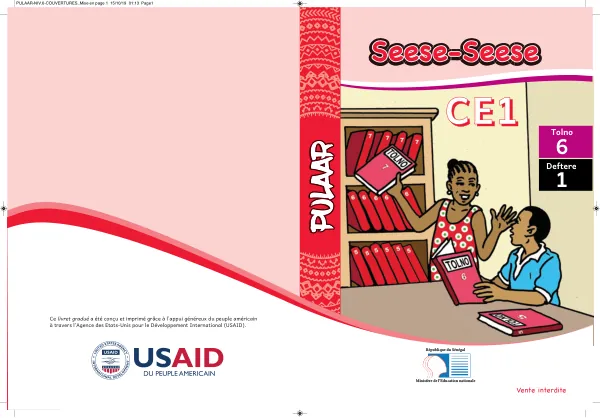
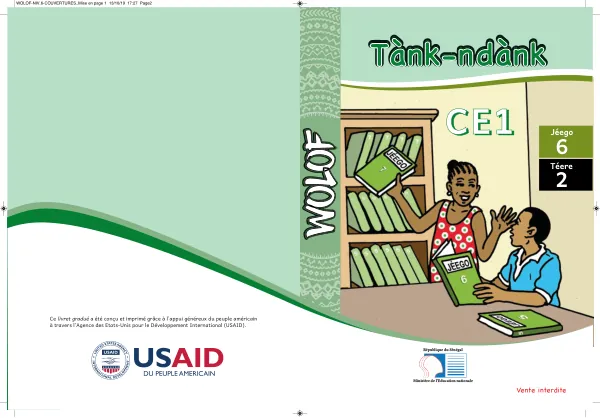
Livret gradué pour l'Education nationale du Sénégal
The Republic of Senegal's Ministry of National Education, in collaboration with USAID, has developed a graded textbook for Wolof language learners.
2019 · 1 pages
Sign in to readA free account is required to download.
Abstract
The Wolof language is spoken by approximately 70% of the Senegalese population and is an official language of the country. This textbook is designed to cater to students in the sixth grade, with the goal of improving their proficiency in Wolof. The textbook is divided into various sections, each focusing on a specific aspect of the Wolof language. The content includes grammar, vocabulary, and reading comprehension exercises. The textbook also incorporates cultural and historical information about the Wolof people, providing students with a deeper understanding of their heritage. The use of Wolof language in education is a key component of the Senegalese government's efforts to promote national identity and cultural preservation. The development of this textbook is part of a broader initiative to improve education outcomes in Senegal. The Senegalese government has recognized the importance of language education in promoting social mobility and economic development. By providing students with a strong foundation in Wolof, the government aims to enhance their opportunities for education and employment. The Wolof language is a complex and nuanced language, with a rich cultural and historical context. The textbook's authors have drawn on a range of sources, including traditional Wolof texts and modern language learning materials, to create a comprehensive and engaging resource for students. The textbook's design and layout are intended to make the language accessible and enjoyable for learners, with a focus on practical applications and real-world examples. The publication of this textbook marks an important milestone in the development of Wolof language education in Senegal. The Ministry of National Education and USAID are committed to continuing their support for language education initiatives, with the goal of improving educational outcomes and promoting cultural preservation in Senegal.