GOVERNMENT OF MALAWI
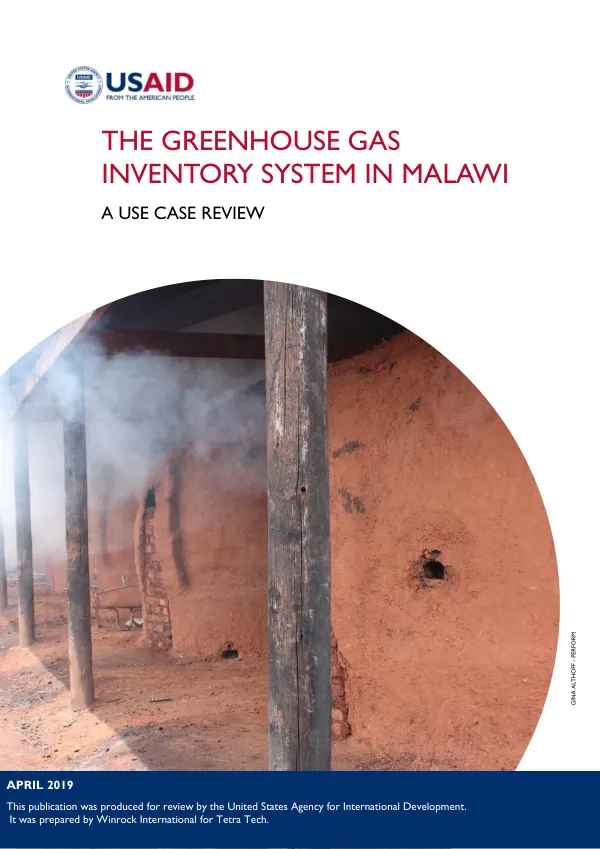
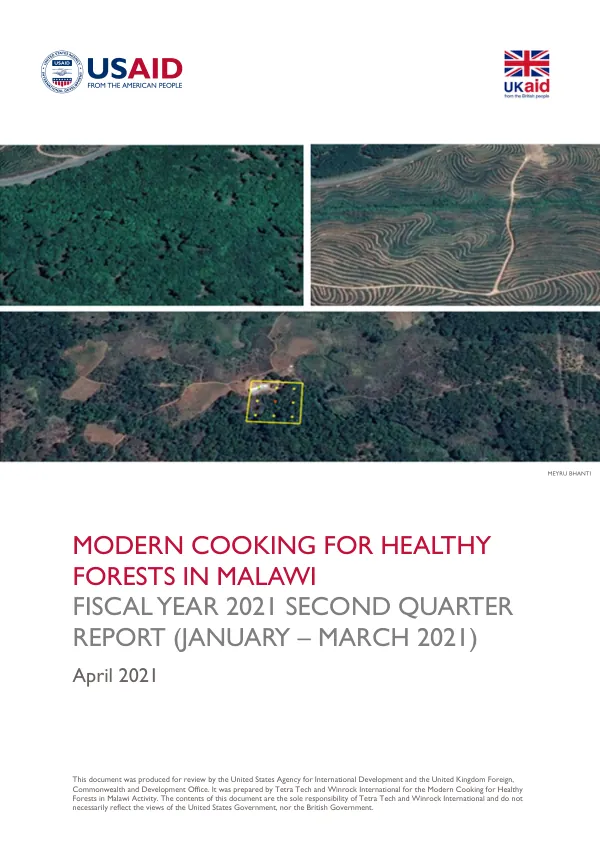
Malawi National Forest Inventory 2018 Analysis Report
The Protecting Ecosystems and Restoring Forests in Malawi (PERFORM) project is a five-year initiative funded by the United States Agency for International Development (USAID) and implemented by a consortium led by Tetra Tech ARD.
2019 · 45 pages
Sign in to readA free account is required to download.
Abstract
The project's objectives are to advance REDD+ (Reducing Emissions from Deforestation and Degradation) readiness, increase low-emissions land use opportunities, enhance low-emissions development capacities, institute pathways for sustainability, and advance CDCS (Country Development and Cooperation Strategy) priorities of integration and institutional strengthening. The project is a core component of environment programming under USAID's Development Objective Assistance Agreement with the Government of Malawi (GoM) and serves as the flagship implementation vehicle for the low-emissions partnership between the United States Government and the GoM. PERFORM was designed to align with Malawi's mid-term Growth and Development Strategy (MGDS) and promote the efficient, equitable, and sustainable use of Malawian forests and soils. The National Forest Inventory (NFI) 2018 was conducted by the Government of Malawi with financial and technical support from USAID/Malawi-funded PERFORM project. The NFI 2018 aimed to provide estimates on national biomass and carbon stock for Malawi's Miombo woodland landscape. The report presents the background on the inventories and the sampling design for the data collected in the NFI 2018. The NFI 2018 was conducted using a stratified random sampling design, which involved selecting a sample of plots from the Malawi Land Use and Land Cover Classification Schema (MLULCCS). The sampling design objectives were to ensure that the sample is representative of the national forest area and to minimize the sampling error. The inventory consolidation and standardization involved data cleaning, unit consolidation, and stratification to ensure that the data are consistent and comparable. The data analysis involved calculating statistical measures, such as mean, standard deviation, and confidence interval, to describe the distribution of forest characteristics. The plot analysis involved calculating the sampled plot area, sample size, and live tree carbon stocks. The biomass carbon pools were estimated using allometric equations, and the deadwood carbon pools were estimated using a combination of field measurements and remote sensing data. The report presents the results of the NFI 2018, including the biomass distribution of forests in Malawi, the relationship between canopy cover and biomass, and the tree distribution in forests of Malawi. The report also presents the aggregation of all forest inventories, which provides a comprehensive picture of the forest resources in Malawi. The results of the NFI 2018 will serve as a foundation for future forest inventories and monitoring, reporting, and verification (MRV) campaigns and will contribute to the development of the National Forest Monitoring System (NFMS) in Malawi.