USAID
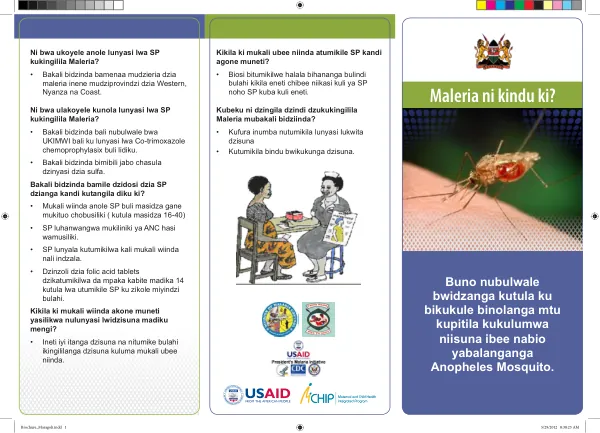
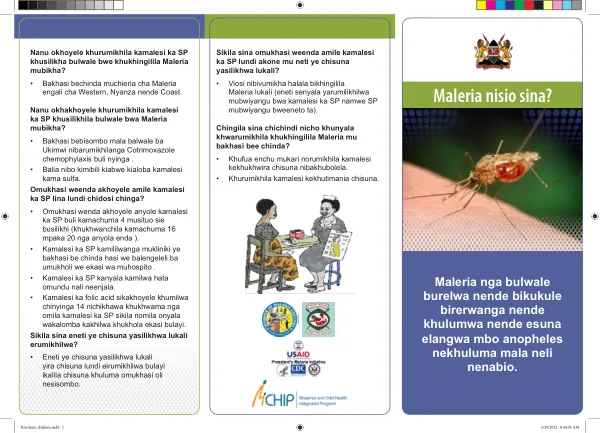
Maleria Sina Nisio?
Malaria is a serious disease caused by a parasite that is transmitted through the bite of an infected female Anopheles mosquito.
2012 · 2 pages
Sign in to readA free account is required to download.
Abstract
The parasite is usually spread through the bite of an infected mosquito, which injects the parasite into the bloodstream of the person being bitten. The symptoms of malaria include fever, chills, flu-like symptoms, and in severe cases, coma and death. The disease is most commonly found in tropical and subtropical regions of the world, particularly in Africa, where it is a major public health problem. The Bukusu people, who live in western Kenya, are particularly vulnerable to malaria due to their geographical location and lack of access to healthcare services. According to the World Health Organization, malaria is a leading cause of illness and death in the region. The symptoms of malaria in the Bukusu people include fever, chills, and flu-like symptoms, as well as more severe symptoms such as coma and death. The disease is often spread through the bite of an infected mosquito, which injects the parasite into the bloodstream of the person being bitten. The Bukusu people have a number of traditional remedies for malaria, including the use of herbs and other natural substances to treat the symptoms of the disease. However, these remedies are not always effective and may not provide adequate protection against the disease. The use of chloroquine, a medication that is commonly used to treat malaria, is also widespread in the Bukusu region. However, the parasite that causes malaria has developed resistance to chloroquine in many areas, making it less effective as a treatment. In addition to chloroquine, other medications such as cotrimoxazole and sulfadoxine-pyrimethamine (SP) are also used to treat malaria in the Bukusu region. SP is a combination medication that is often used to treat malaria in areas where the parasite has developed resistance to chloroquine. The Bukusu people also have a number of traditional practices that are aimed at preventing the spread of malaria, including the use of bed nets and the destruction of mosquito breeding sites. However, these practices are not always effective and may not provide adequate protection against the disease. In order to prevent the spread of malaria, it is essential to use a combination of traditional and modern methods, including the use of bed nets, the destruction of mosquito breeding sites, and the use of medications such as SP. It is also essential to educate the Bukusu people about the risks of malaria and the importance of taking steps to prevent its spread. The Bukusu people have a number of cultural and social practices that can help to prevent the spread of malaria, including the use of traditional clothing and the avoidance of areas where mosquitoes are known to be present. However, these practices are not always effective and may not provide adequate protection against the disease. In conclusion, malaria is a serious disease that is prevalent in the Bukusu region of western Kenya. The disease is often spread through the bite of an infected mosquito, and can cause a range of symptoms, including fever, chills, and flu-like symptoms. The use of traditional remedies and medications such as SP can help to treat the disease, but it is essential to use a combination of traditional and modern methods to prevent its spread.