ACADEMY FOR EDUCATIONAL DEVELOPMENT
Marsa Ghaleb Exploratorium Conceptual Design
The Marsa Ghaleb Exploratorium is situated on the Eastern Egyptian shore of the Red Sea in Marsa Ghaleb, approximately 200 km south of Hurghada and some 60 km north of Marsa Alam.
2009 · 40 pages
Sign in to readA free account is required to download.
Abstract
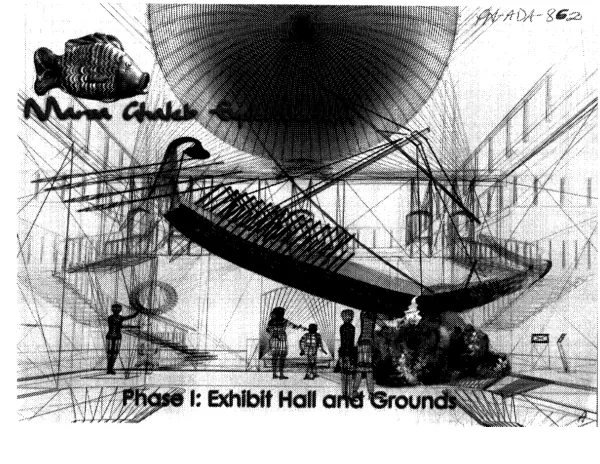
The site covers more than 20 acres of desert plateau and coastline bordered on the east by superb coral reefs. A unique geological crevice runs diagonally through the site and contains two large saline ponds. The Exploratorium is in various stages of development, with the infrastructure, pathways, exhibit hall, and office complex/multipurpose facility already constructed, requiring minor adjustments. The site is in the center of a large IDC (Integrated Development Corporation) project, Port Ghaleb, currently under construction, and is 5 kilometers from the new Marsa Alam International Airport. A large marina, extensive infrastructure, and a number of buildings are completed in Port Ghaleb, and several resorts, residential, and commercial developments are in various stages of planning and development. The essence of the Exploratorium design theme is "sustainable adaptation." The Exploratorium will replicate natural systems of the Eastern Desert and Red Sea and showcase the remarkable, unique, and colorful adaptations made by indigenous species and people. The Exploratorium is designed to be experiential, with interpretive and interactive exhibits that will not only mirror the nature and history of the nearby wadis, mountains, desert, coastal, and coral reef environments but also emphasize the relationship between natural and cultural heritage to create holistic understanding. Each exhibit will provide examples of sustainable adaptation that inspire visitors, developers, and residents to engage in sustainable ecology practices. Healthy, sustainable communities are built upon a complex network of relationships, natural and human. The Exploratorium encompasses the interests of a number of local, national, and international groups, including local community residents, government agencies, private developers, environmental and scientific organizations, and funding organizations. The Exploratorium's design approach is organic, using colorful stones found in abundance in the region. The hardscaping is rooted in the rich cultural and natural heritage of the region, exposing visitors to the area's geological features. The grounds around the main buildings and parking areas will be installed with representative indigenous plants from the surrounding wadis, creating an "oasis effect." Signs interspersed throughout the plantings will link certain plants with exhibits inside the Exploratorium. The main center of the exhibit hall, with about 125 square meters of useable floor space, is designed to simulate an underwater environment. Film loops of the underwater environment will be projected onto the domed ceiling, and an audio component will consist of underwater sounds to enhance the experience. Realistic fabricated coral exhibits blend into the simulated environment, providing an immersive experience for visitors. The Exploratorium's design theme of "sustainable adaptation" is reflected in the exhibit hall's design, which showcases the unique and colorful adaptations made by indigenous species and people in the Eastern Desert and Red Sea region. The Exploratorium's vision is to promote sustainable tourism in the region by inspiring visitors to explore the diverse natural and cultural resources of the Egyptian Red Sea region. The mission is to foster exchange and cooperation between people who live in, work in, or visit the region, provide a venue for cross-disciplined sharing of knowledge and information between researchers, stewards, and developers in the area, and promote environmental conservation in the region. The Exploratorium is designed to be a fully-conceived, state-of-the-art facility attracting visitors from around the world, tourists and researchers alike, that is visually stimulating and fully interactive to enhance environmental awareness.