USAID/NIGERIA
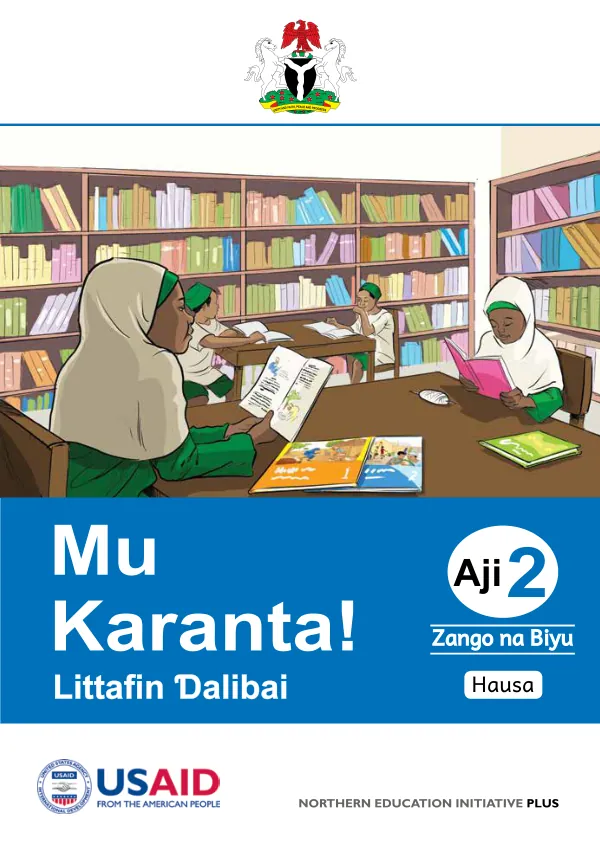
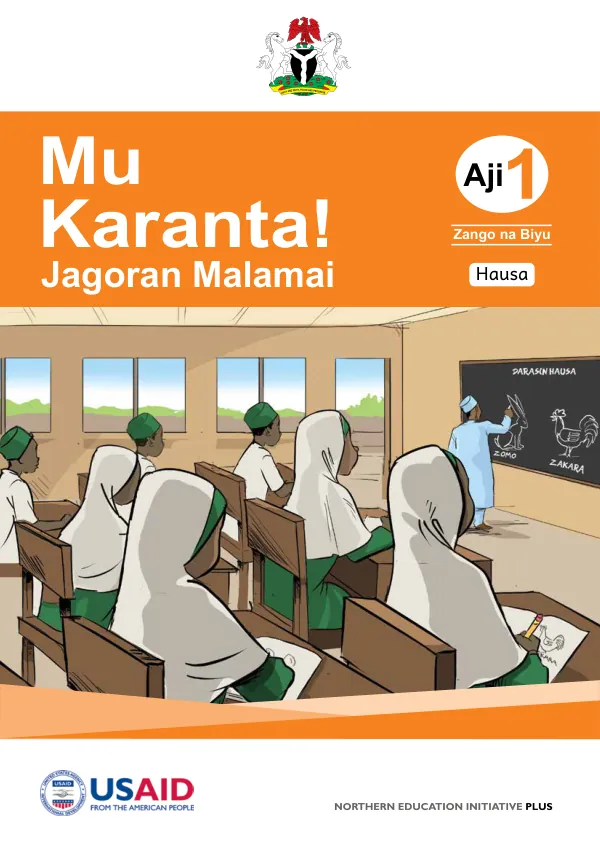
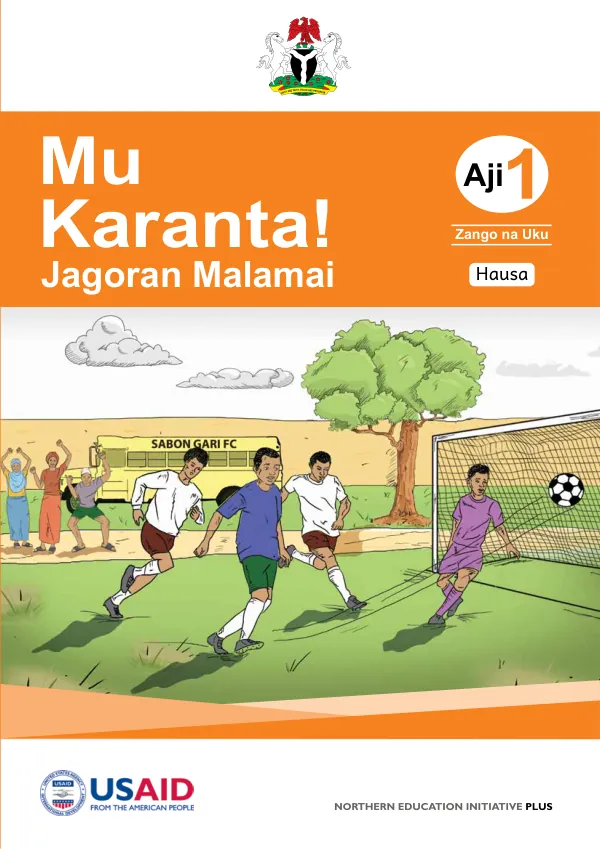
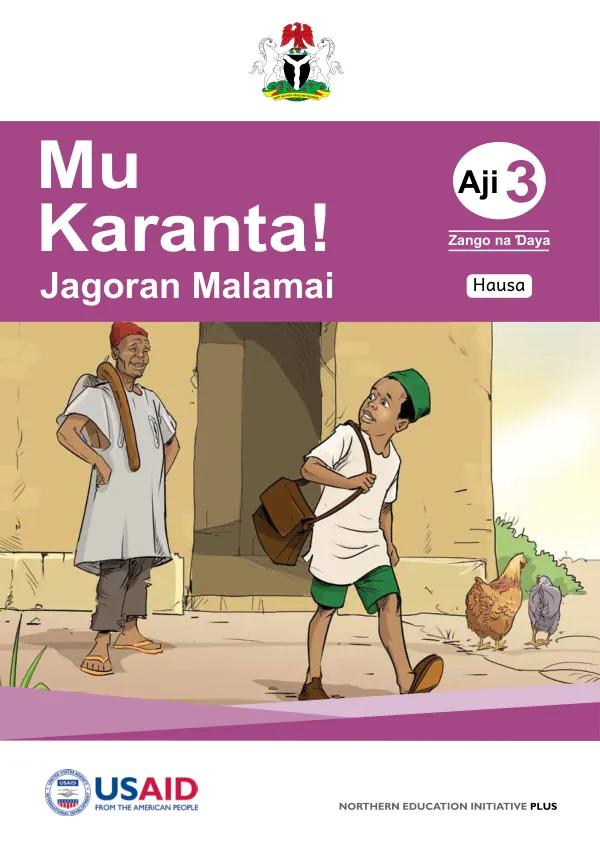
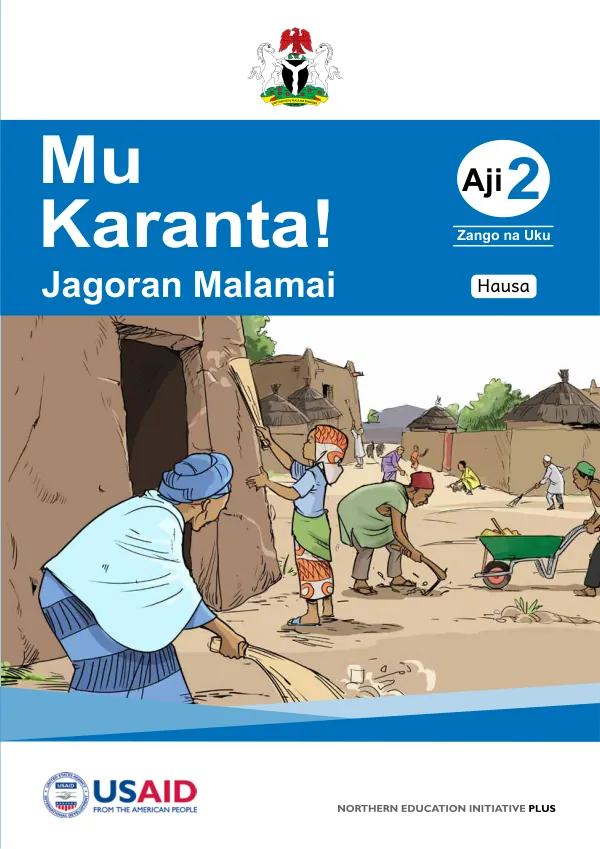
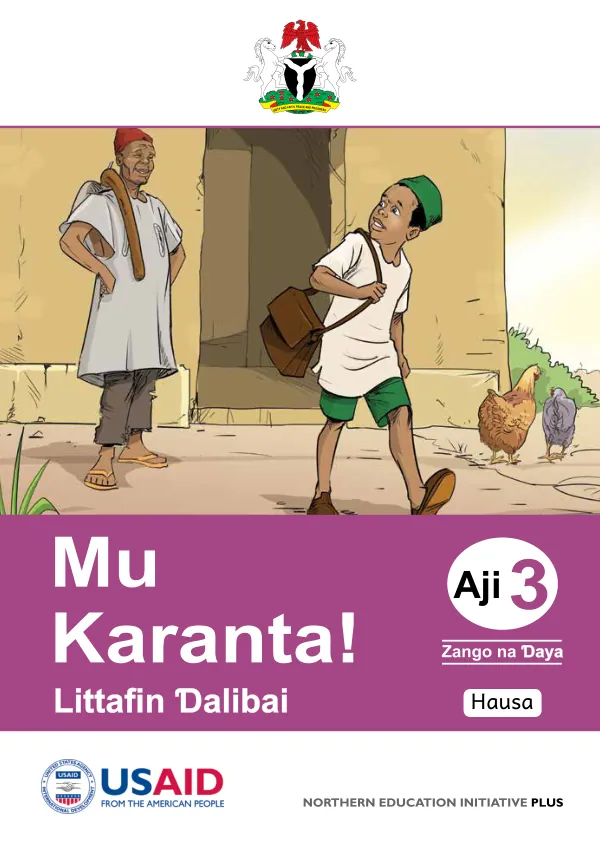
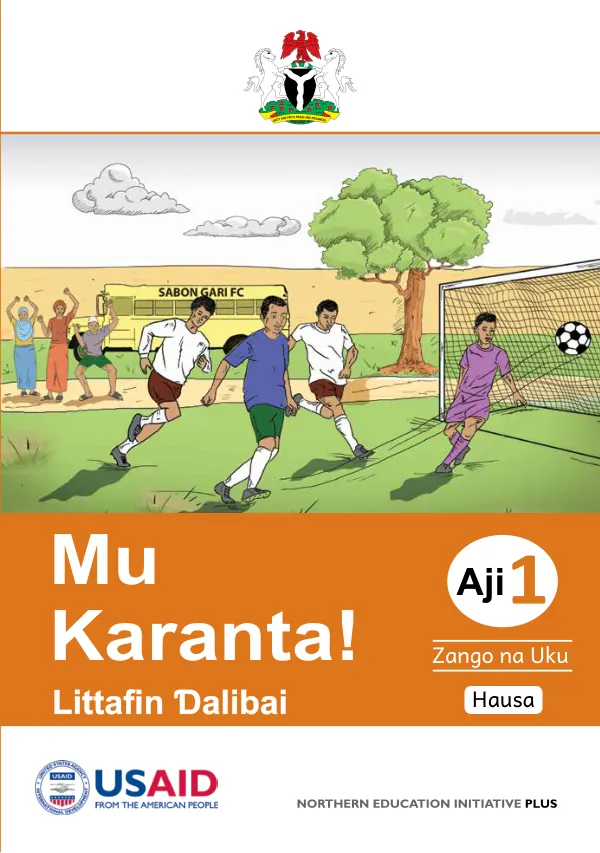
Mu Karanta!
The Northern Education Initiative Plus (NEI Plus) is a program aimed at improving education in northern Nigeria.
2016 · 114 pages
Sign in to readA free account is required to download.
Abstract
The program was funded by the United States Agency for International Development (USAID) and implemented by the Nigerian Educational Research and Development Council (NERDC). The program's goal is to improve literacy and numeracy skills among primary school students in the states of Bauchi and Sokoto. The program involved the development of a new curriculum and instructional materials, including a series of textbooks and teacher guides. The textbooks, titled "Mu Karanta!", are designed to be used by students in the first three years of primary school. The materials are based on a phonics-based approach to reading and writing, and are intended to help students develop their literacy skills in Hausa and English. The program also involved the training of teachers in the use of the new materials and instructional methods. The training was provided by a team of experts from NERDC and other organizations, and was designed to help teachers develop the skills and confidence they need to teach reading and writing effectively. The program's evaluation showed that the use of the new materials and instructional methods led to significant improvements in student literacy and numeracy skills. The evaluation also showed that the program had a positive impact on teacher confidence and motivation, and that the materials were well-received by teachers and students alike. The program's success was attributed to the collaboration between NERDC, USAID, and the governments of Bauchi and Sokoto states. The program's leaders expressed their gratitude to the partners and stakeholders who supported the program, and emphasized the importance of continued support for education in northern Nigeria. The program's impact is expected to be long-lasting, and will help to improve the literacy and numeracy skills of students in the region. The program's success also highlights the importance of investing in education, particularly in areas where access to education is limited. The program's leaders emphasized the need for continued support for education in northern Nigeria, and called on stakeholders to work together to address the challenges facing the education sector in the region. They also emphasized the importance of investing in teacher training and development, and in the provision of high-quality instructional materials and resources. The program's success is a testament to the power of collaboration and partnership in achieving development goals. The program's leaders expressed their gratitude to the partners and stakeholders who supported the program, and emphasized the importance of continued support for education in northern Nigeria. The program's impact is expected to be felt for many years to come, and will help to improve the literacy and numeracy skills of students in the region. The program's success also highlights the importance of investing in education, particularly in areas where access to education is limited.
Related documents