USAID/NIGERIA
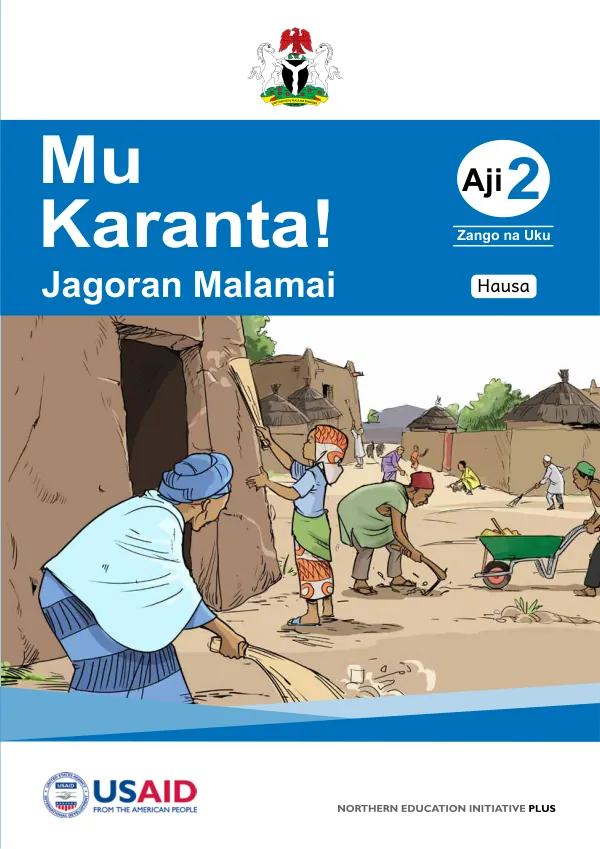
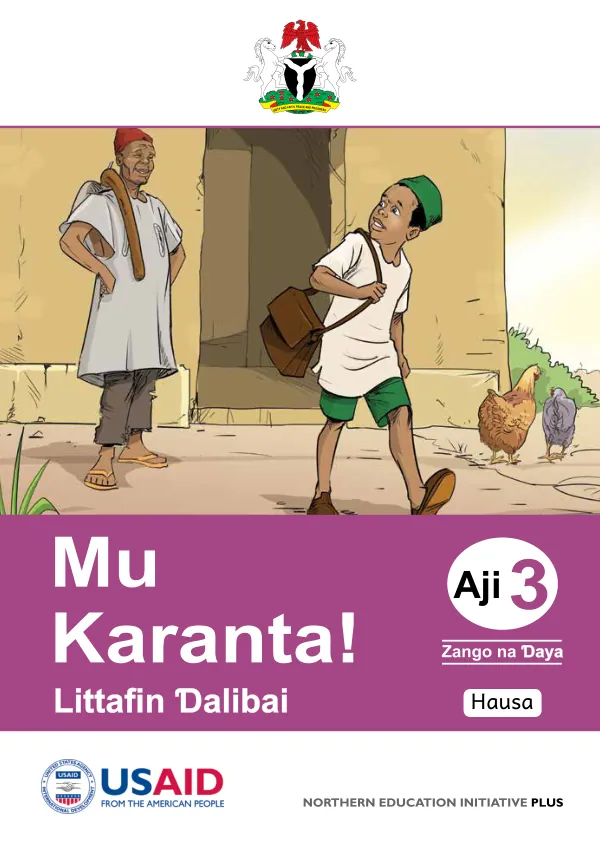
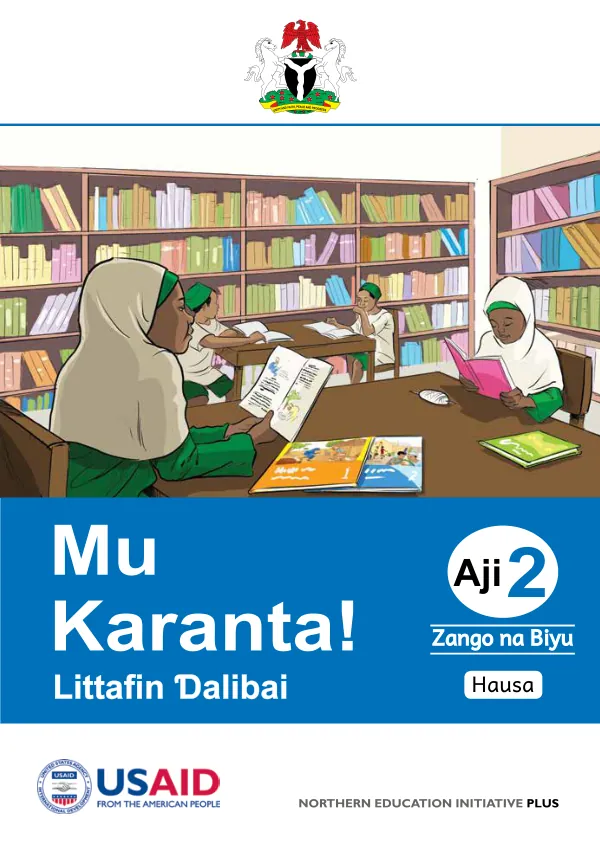
Mu Karanta! Littattafan Karatu a Matakin Farko
The Northern Education Initiative Plus (NEI Plus) is a program aimed at improving education in northern Nigeria.
2016 · 100 pages
Sign in to readA free account is required to download.
Abstract
The program is funded by the United States Agency for International Development (USAID) and is implemented by the Nigerian Educational Research and Development Council (NERDC). The program focuses on improving literacy and numeracy skills among primary school students in Bauchi and Sokoto states. The program has developed a series of textbooks for primary school students, known as "Mu Karanta," which are designed to improve literacy and numeracy skills. The textbooks are based on a new approach to teaching and learning, which emphasizes the use of interactive and engaging materials. The program has also trained teachers in the use of these textbooks and has provided them with the necessary resources to implement the program effectively. The program has identified a number of challenges that affect education in northern Nigeria, including a lack of qualified teachers, inadequate infrastructure, and limited access to educational resources. To address these challenges, the program has implemented a number of interventions, including the provision of training and resources for teachers, the construction of new schools, and the distribution of educational materials. The program has also recognized the importance of community involvement in education and has established a number of community-based initiatives to support the program. These initiatives include the establishment of community-based schools, the provision of educational resources to community-based organizations, and the training of community-based educators. The program has made significant progress in improving education in northern Nigeria, including an increase in the number of students enrolled in school, an improvement in student achievement, and an increase in the number of qualified teachers. The program has also received recognition and support from a number of stakeholders, including the governments of Bauchi and Sokoto states, the NERDC, and USAID. The program's success is attributed to the collaborative efforts of a number of stakeholders, including the NERDC, USAID, the governments of Bauchi and Sokoto states, and a number of community-based organizations. The program's approach to education has been recognized as a model for other education programs in Nigeria and has been replicated in other parts of the country. The program's impact on education in northern Nigeria is expected to be long-lasting, with the potential to improve the quality of education and increase access to education for millions of students. The program's success has also highlighted the importance of community involvement in education and the need for collaborative efforts to address the challenges facing education in northern Nigeria. The program's approach to education has also been recognized as a model for other education programs in Nigeria and has been replicated in other parts of the country. The program's success has also highlighted the importance of community involvement in education and the need for collaborative efforts to address the challenges facing education in northern Nigeria.