USAID DEC
My Life, My Well-being: Lesson 12.2.2
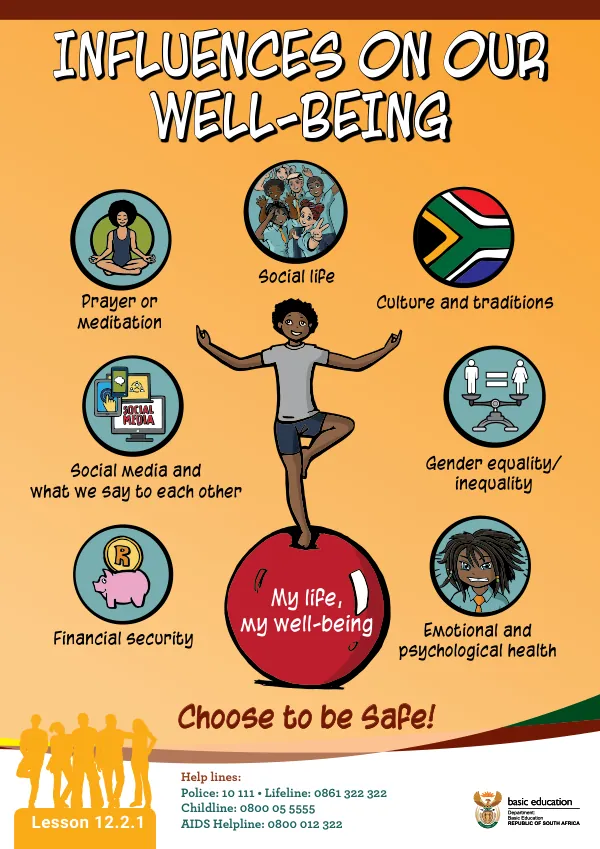
Influences on well-being encompass a range of factors that impact an individual's overall health and happiness.
2020 · 3 pages
Sign in to readA free account is required to download.
Abstract
Social media and communication with others can significantly affect well-being, with negative interactions potentially leading to decreased self-esteem and increased stress levels. Gender equality and financial security also play critical roles, as unequal distribution of resources and opportunities can exacerbate feelings of insecurity and anxiety. Emotional and psychological health are equally important, with factors such as culture and traditions influencing an individual's perception of themselves and their place in society. Personal relationships, including romantic partnerships and friendships, can also have a profound impact on well-being, with supportive networks providing a sense of belonging and security. Conversely, unhealthy relationships can lead to feelings of isolation and despair. The importance of making informed choices and decisions that protect one's well-being cannot be overstated. This includes choosing to wait until one is emotionally and financially ready for a sexual relationship, as well as accessing youth-friendly health care services to ensure knowledge of one's HIV status. Healthy attitudes towards sex and relationships are also crucial, with a focus on mutual respect, trust, and communication. Protective factors, such as a strong support network and access to health care services, can have a profoundly positive impact on well-being, enabling individuals to make informed choices and avoid risky behaviors. Conversely, risk factors, such as substance abuse and multiple sexual partners, can have a negative impact on health and well-being. By identifying and addressing these risk factors, individuals can take proactive steps to protect themselves and achieve their life goals. Ultimately, personal responsibility and self-care are key to protecting oneself and maintaining a healthy, safe, and fulfilling life. This includes setting boundaries, seeking help when needed, and prioritizing one's own needs and well-being. By taking control of their lives and making informed choices, individuals can reduce their risk of harm and achieve their full potential.
Related documents