INTERNATIONAL ORGANIZATION FOR MIGRATION
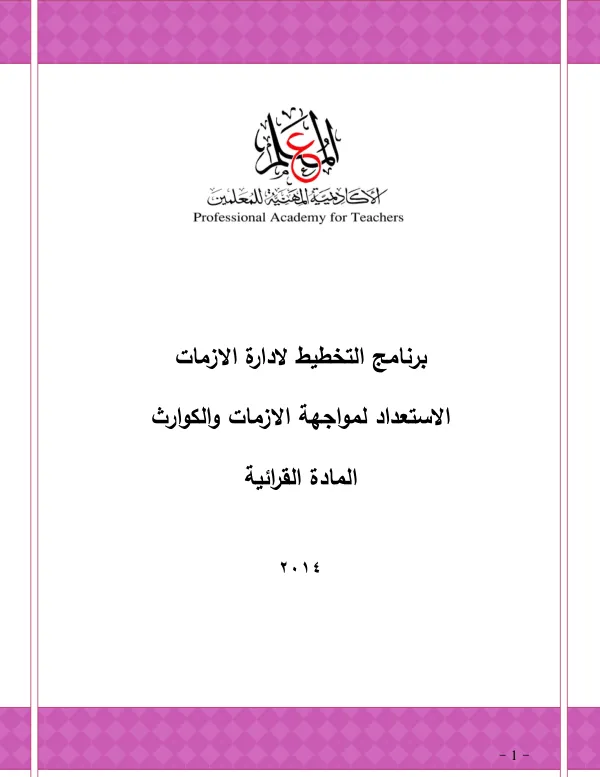
برنامج التخطيط للتعاون الدولي في مجال التنمية المستدامة
The document discusses the Hugo Framework, a planning initiative aimed at mitigating the effects of natural disasters and emergencies.
113 pages
Sign in to readA free account is required to download.
Abstract
The framework was established in 2005 and is set to expire in 2015. The document outlines the main purpose and scope of the initiative, as well as its key findings, methodologies, and conclusions. The Hugo Framework is a collaborative effort between the United Nations and the international community to develop a comprehensive approach to disaster risk reduction and management. The framework is based on the principles of sustainable development, poverty reduction, and human rights. It aims to reduce the vulnerability of communities to natural disasters and emergencies, and to promote the resilience of societies. The document highlights the importance of disaster risk reduction and management in achieving the Millennium Development Goals (MDGs). It notes that natural disasters and emergencies have a significant impact on the lives of millions of people worldwide, causing loss of life, injury, and damage to infrastructure and the environment. The Hugo Framework is based on a comprehensive approach that involves the integration of disaster risk reduction and management into national development plans and policies. It emphasizes the need for a multi-stakeholder approach that involves governments, civil society, the private sector, and other stakeholders in the development and implementation of disaster risk reduction and management strategies. The document outlines the key components of the Hugo Framework, including the development of national disaster risk reduction and management policies, the establishment of early warning systems, and the promotion of disaster-resistant construction practices. It also highlights the importance of international cooperation and coordination in disaster risk reduction and management. The document notes that the Hugo Framework has made significant progress in reducing the vulnerability of communities to natural disasters and emergencies. It cites examples of successful disaster risk reduction and management initiatives in various countries, including the establishment of early warning systems, the promotion of disaster-resistant construction practices, and the development of national disaster risk reduction and management policies. The document also highlights the importance of education and awareness-raising in disaster risk reduction and management. It notes that education and awareness-raising are critical components of disaster risk reduction and management strategies, and that they can help to reduce the vulnerability of communities to natural disasters and emergencies. The document concludes by emphasizing the importance of continued international cooperation and coordination in disaster risk reduction and management. It notes that the Hugo Framework has made significant progress in reducing the vulnerability of communities to natural disasters and emergencies, but that there is still much work to be done to achieve the goal of a disaster-resilient world. The document also mentions the importance of the following: * The development of national disaster risk reduction and management policies * The establishment of early warning systems * The promotion of disaster-resistant construction practices * International cooperation and coordination in disaster risk reduction and management * Education and awareness-raising in disaster risk reduction and management * The integration of disaster risk reduction and management into national development plans and policies The document also mentions the following countries and organizations: * The United Nations * The international community * The Millennium Development Goals (MDGs) * The Hugo Framework * The United States * The European Union * The African Union * The Asian Development Bank * The World Bank The document also mentions the following concepts and terms: * Disaster risk reduction and management * Sustainable development * Poverty reduction * Human rights * Early warning systems * Disaster-resistant construction practices * National disaster risk reduction and management policies * International cooperation and coordination * Education and awareness-raising
Related documents