UNITED NATIONS ORGANIZATION ON DRUGS AND CRIME
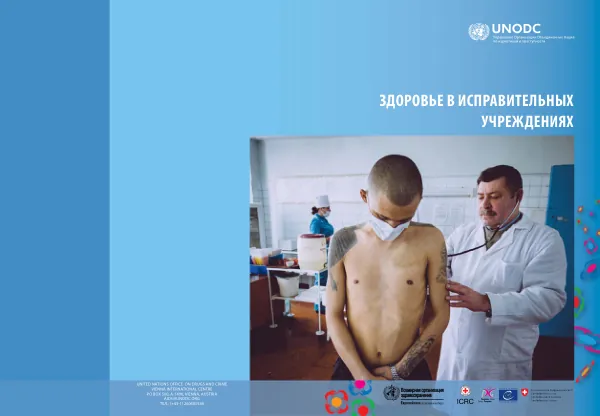
Здоровье в исправительных учреждениях
The World Health Organization (WHO) Regional Office published a document in 2014 titled "Prisons and Health" under the copyright of the WHO in 2014 and the Всемирная организация здравоохранения in 2015.
2014 · 223 pages
Sign in to readA free account is required to download.
Abstract
The document focuses on improving healthcare in correctional facilities and reducing health risks for both individuals and society. The publication is intended for healthcare professionals, policymakers, and other stakeholders involved in the management of correctional facilities. The document emphasizes the importance of human rights and medical ethics in the provision of healthcare services in correctional facilities. It highlights the need for a comprehensive approach to healthcare in prisons, including the prevention and treatment of infectious and non-infectious diseases, oral health, and risk factors. The document also addresses the specific needs of vulnerable populations, such as women and children, and the importance of effective management of healthcare services in correctional facilities. The document outlines the main principles of healthcare in correctional facilities, including the right to health, the right to dignity, and the right to non-discrimination. It also emphasizes the importance of confidentiality, informed consent, and the right to refuse treatment. The document provides guidance on the organization of healthcare services in correctional facilities, including the role of healthcare professionals, the use of medical records, and the management of healthcare resources. The document also addresses the specific challenges faced by healthcare professionals working in correctional facilities, including the need to balance the rights of prisoners with the need to maintain order and security. It highlights the importance of training and education for healthcare professionals working in correctional facilities and the need for ongoing support and supervision. The document provides a comprehensive overview of the key issues related to healthcare in correctional facilities, including the prevention and treatment of infectious and non-infectious diseases, oral health, and risk factors. It also addresses the specific needs of vulnerable populations, such as women and children, and the importance of effective management of healthcare services in correctional facilities. The document emphasizes the importance of a human rights-based approach to healthcare in correctional facilities, which prioritizes the rights and dignity of prisoners and ensures that they receive high-quality healthcare services. It also highlights the need for ongoing monitoring and evaluation of healthcare services in correctional facilities to ensure that they are effective and meet the needs of prisoners. The document provides a range of recommendations for improving healthcare in correctional facilities, including the development of policies and guidelines, the provision of training and education for healthcare professionals, and the establishment of mechanisms for monitoring and evaluating healthcare services. It also emphasizes the need for collaboration and coordination between healthcare professionals, policymakers, and other stakeholders to ensure that healthcare services in correctional facilities are effective and meet the needs of prisoners. Overall, the document provides a comprehensive overview of the key issues related to healthcare in correctional facilities and emphasizes the importance of a human rights-based approach to healthcare in these settings. It provides a range of recommendations for improving healthcare in correctional facilities and highlights the need for ongoing monitoring and evaluation of healthcare services in these settings.