AMHARA DEVELOPMENT ASSOCIATION
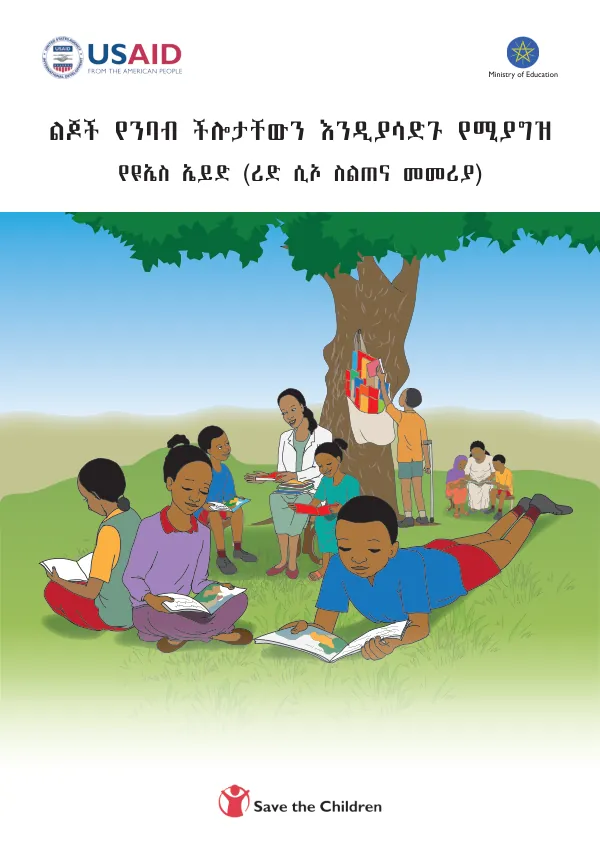
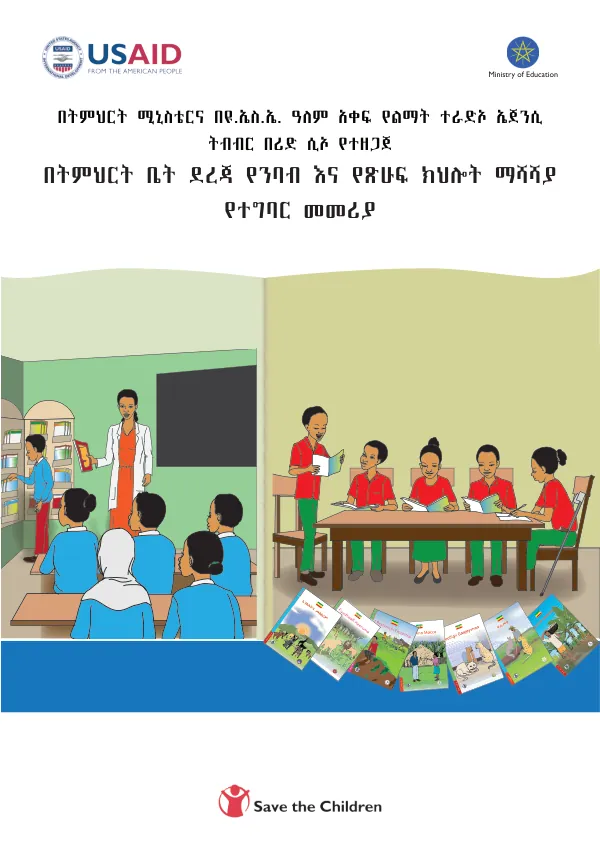
በትምህርት ሚኒስቴርና በዩ.ኤስ.ኤ. ዓለም አቀፍ የልማት ተራድኦ ኤጀንሲ ትብብር በሪድ ሲኦ የተዘጋጀ
The Ministry of Education and the USAID-funded Reading for Ethiopia’s Achievement Developed Community Outreach (READ CO) initiative began in 2015 with the goal of increasing access to grade-level appropriate reading materials and providing children with opportunities to practice reading.
2016 · 39 pages
Sign in to readA free account is required to download.
Abstract
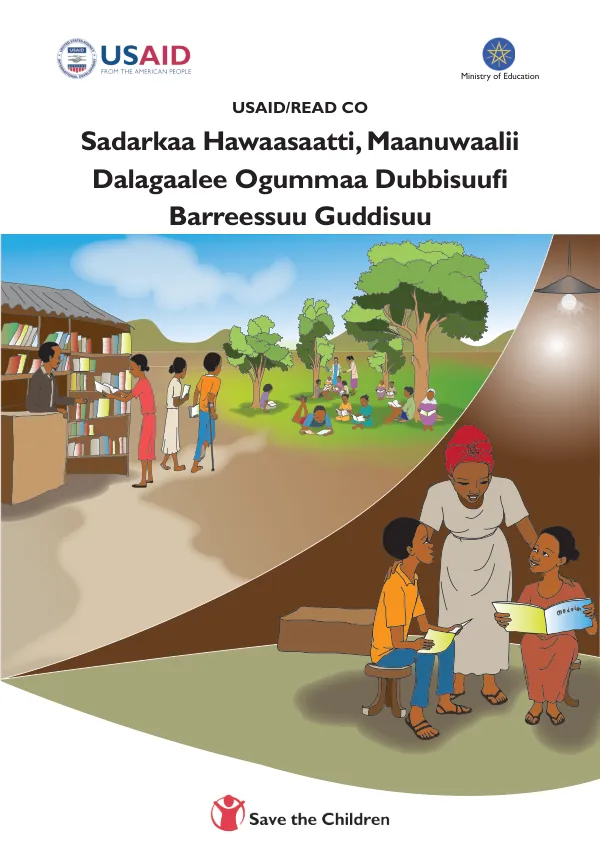
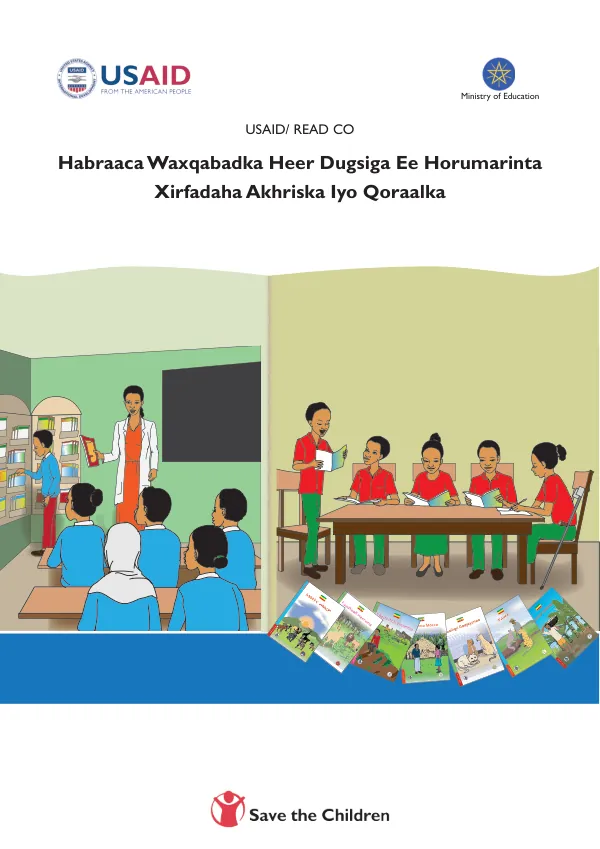
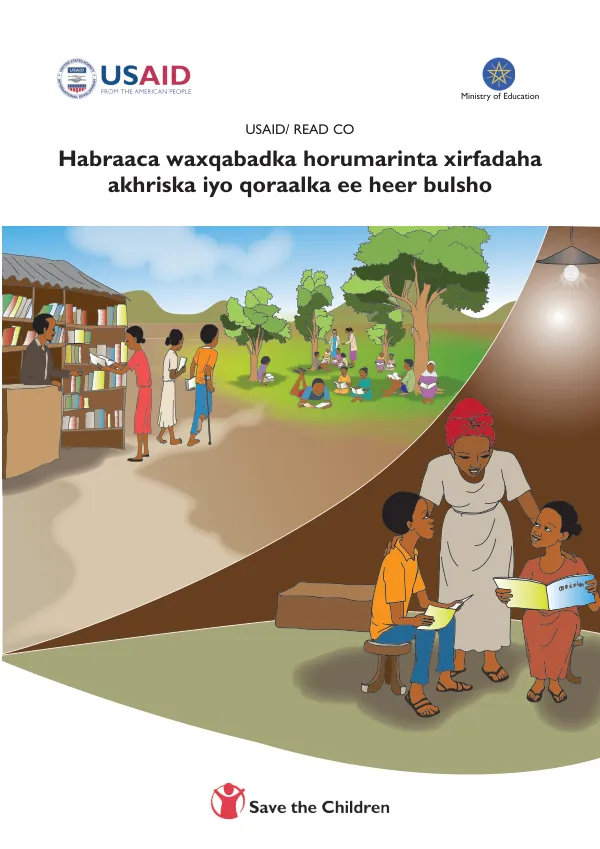
The initiative supports the national READ Program effort to address the learning needs of 15 million primary grade students in seven Ethiopian languages. The READ CO initiative is implemented by Save the Children and its regional NGO partners, including the Amhara Development Association, Tigray Development Association, Adult and Non-formal Education Association of Ethiopia, the Organization for Welfare and Development in Action, and the Save the Children South Hub. The initiative aims to strengthen parental and community engagement in support of children’s learning to read. The Working Manual for Master Trainers Training, Trainings of Level one and Level Two for USAID/READ CO target schools and community was developed in consultation with experts nominated by the MOE, RSEBs, ZEDs, and USAID/READ CO. The manual is used as a reference while implementing the school level and community level reading and writing activities. The manual is divided into five sections. The first section, "የንባብና የጽሁፍ ክበባት," discusses the concept of reading and writing skills in the primary school level. The section explains the importance of reading and writing skills in the primary school level and the role of the teacher in developing these skills. The second section, "የንባብ ጥግ," discusses the concept of reading skills in the primary school level. The section explains the importance of reading skills in the primary school level and the role of the teacher in developing these skills. The third section, "የትምህርት ቤት የንባብና የጽሁፍ ክበባት በጎ ፈቃደኞች," discusses the role of the teacher in developing reading and writing skills in the primary school level. The section explains the importance of the teacher in developing reading and writing skills in the primary school level and the role of the teacher in creating a conducive learning environment. The fourth section, "አጋዥ የንባብ መጻህፍት," discusses the concept of reading materials in the primary school level. The section explains the importance of reading materials in the primary school level and the role of the teacher in selecting and using these materials. The fifth section, "በትምህርት ቤት ደረጃ የወላጆችና የማህበረሰቡ ተሳትፎ," discusses the role of parents and the community in supporting children's learning to read. The section explains the importance of parents and the community in supporting children's learning to read and the role of the teacher in creating a conducive learning environment. The manual emphasizes the importance of creating a conducive learning environment in the primary school level. The section explains the importance of creating a conducive learning environment in the primary school level and the role of the teacher in developing reading and writing skills in the primary school level. The manual provides guidance on how to develop reading and writing skills in the primary school level. The section explains the importance of developing reading and writing skills in the primary school level and the role of the teacher in creating a conducive learning environment. The manual is a valuable resource for teachers, parents, and the community in supporting children's learning to read. The manual provides guidance on how to develop reading and writing skills in the primary school level and how to create a conducive learning environment in the primary school level. The manual is divided into five sections. The first section, "የንባብና የጽሁፍ ክ
Related documents
Documents in this collection
 2016
2016USAID DEC
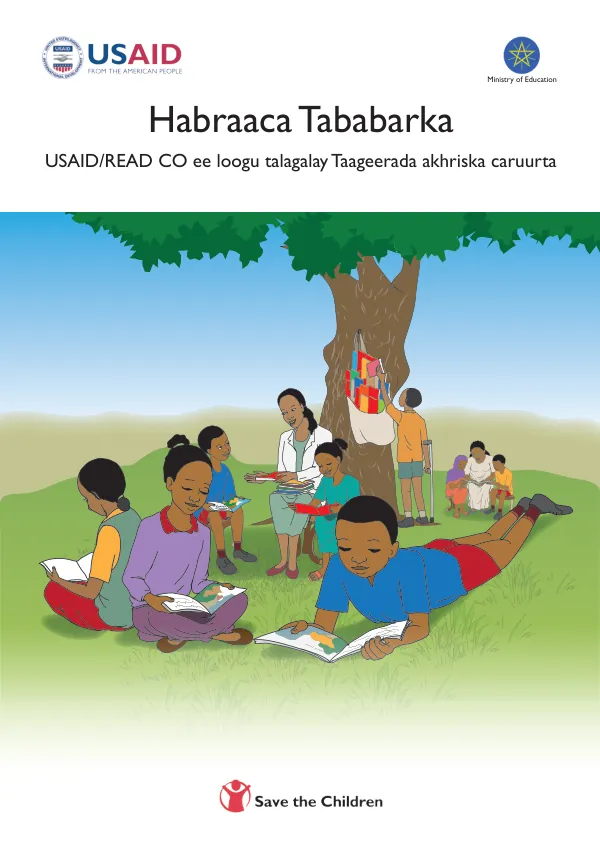
Working Manual for Master Trainers Training, Trainings of Level One and Level Two for /USAID/READ CO target schools and community
Open record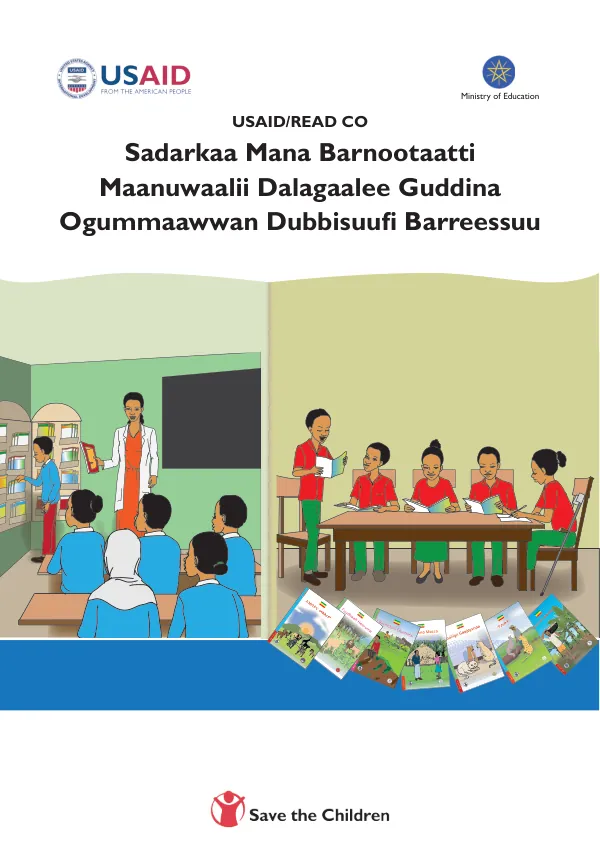 2016
2016USAID DEC