THE ASIA FOUNDATION
د زده کړو ته د الرسسۍ ډېروال
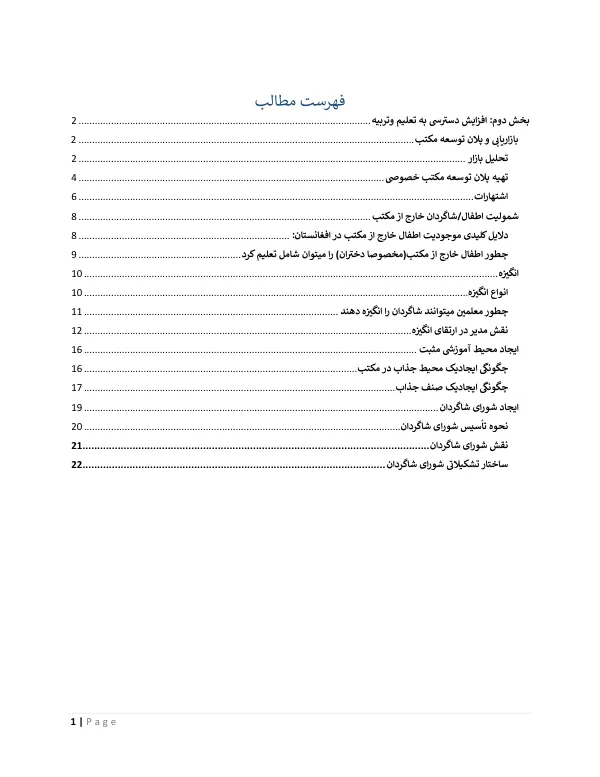
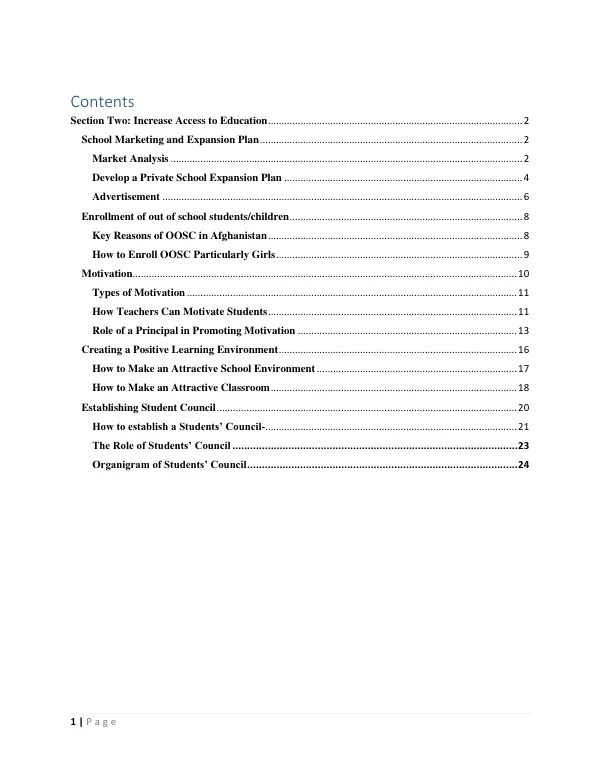
The concept of private schools in Afghanistan is gaining popularity, with many parents seeking better education for their children.
2022 · 24 pages
Sign in to readA free account is required to download.
Abstract
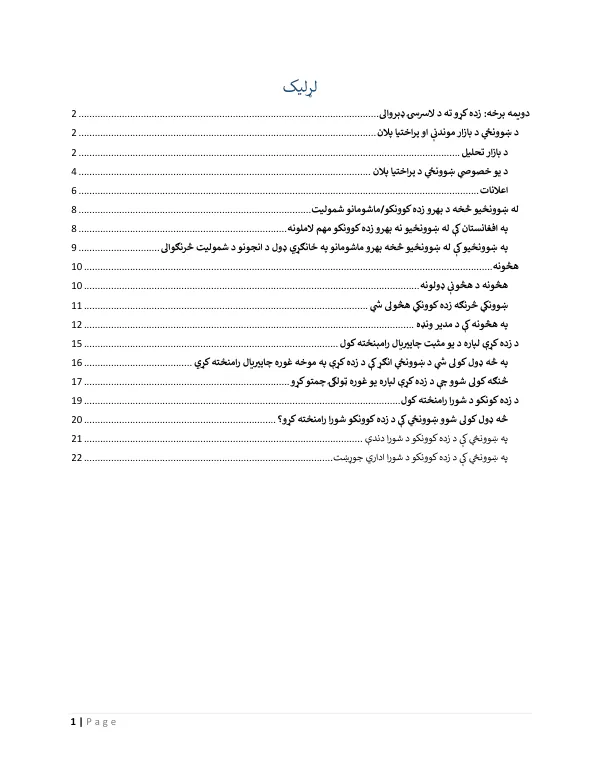
A study conducted in the 9th district of Kabul city found that 27.6% of the total population are children, with 8% of them not attending school. In contrast, private schools have an average of 402 students, with parents showing a high level of interest in enrolling their children. The study also found that the majority of parents have a good financial situation, with many working for the government or private companies. This suggests that private schools have a good opportunity to establish themselves in the market. The study recommends that private schools focus on increasing their market share, increasing student enrollment by 10%, and improving their quality by 15% in each department. The study also emphasizes the importance of building relationships with parents and the community, as they are the key stakeholders in the success of private schools. By understanding the needs and concerns of parents, private schools can tailor their services to meet their demands and provide a better education for their children. In terms of implementation, the study suggests that private schools should focus on the following steps: 1. Conduct a market analysis to identify the needs and preferences of parents and students. 2. Develop a marketing plan to increase awareness and interest in the school. 3. Improve the quality of education by hiring qualified teachers and investing in infrastructure. 4. Build relationships with parents and the community through regular communication and engagement. 5. Monitor and evaluate the effectiveness of the school's programs and services. By following these steps, private schools in Afghanistan can establish themselves as a viable alternative to public schools and provide high-quality education to students.