USAID DEC
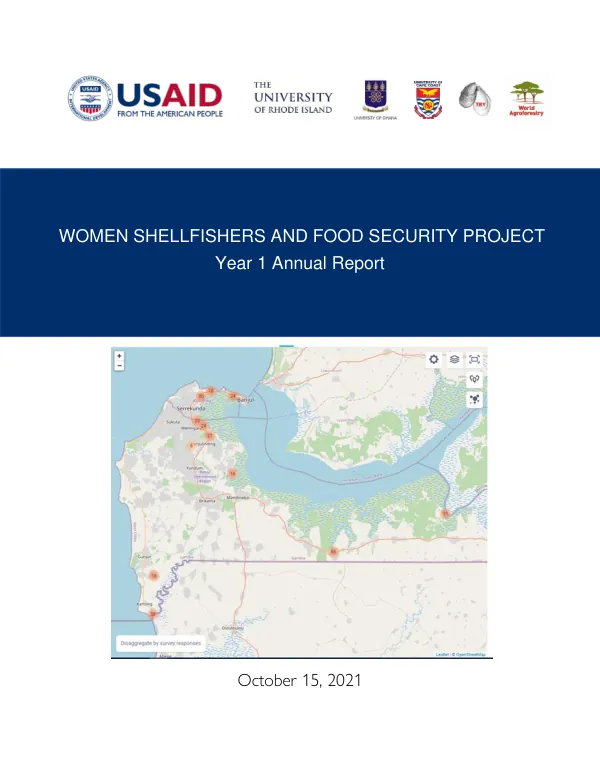
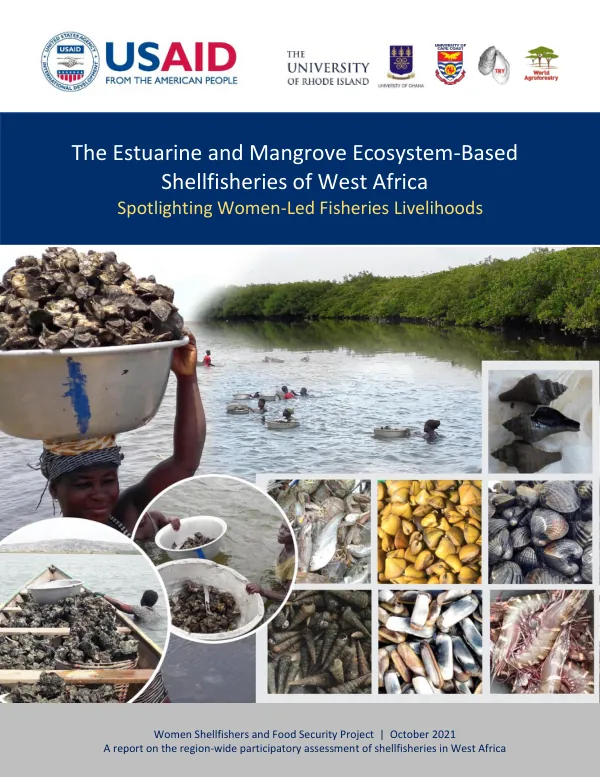
Participatory Assessment of Shellfisheries in the Estuarine and Mangrove Ecosystems of Ghana
Sign inCOASTAL RESOURCES CENTER
Participatory Assessment of Shellfisheries in the Estuarine and Mangrove Ecosystems of Ghana
The agricultural development initiative in Ghana focused on improving the livelihoods of women shellfishers and enhancing food security.
2021 · 53 pages
Sign in to readA free account is required to download.
Abstract
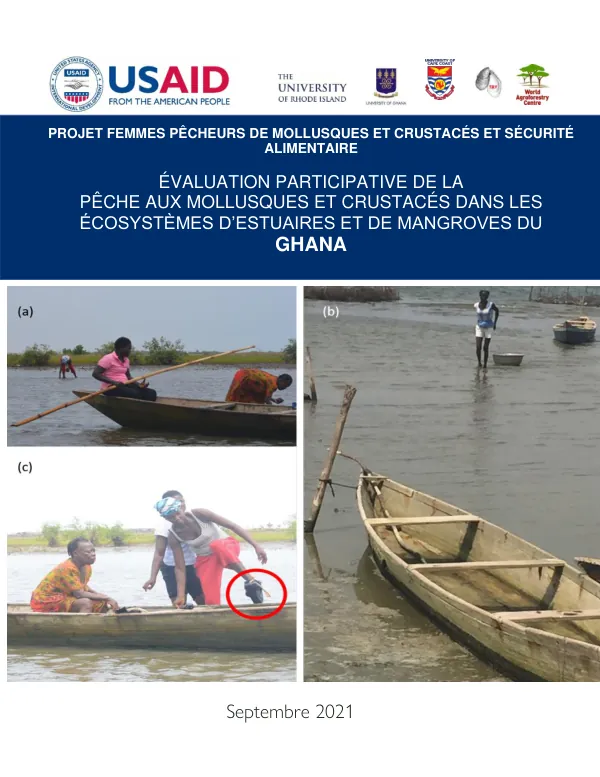
The project, implemented by the Coastal Resources Center and the University of Cape Coast, aimed to assess the shellfisheries in the estuarine and mangrove ecosystems of Ghana. The study was conducted in 2021, with a team of researchers from the University of Rhode Island, the University of Cape Coast, and the World Agroforestry Center. The team collected data through field surveys, interviews, and focus group discussions with women shellfishers, community leaders, and other stakeholders. The data was analyzed to understand the current status of shellfisheries, the challenges faced by women shellfishers, and the potential opportunities for improving their livelihoods. The study found that shellfisheries are an important source of income for many women in Ghana, particularly in the coastal communities. However, the industry faces several challenges, including overfishing, habitat degradation, and lack of access to markets. The study also highlighted the importance of mangrove ecosystems, which provide a habitat for many shellfish species and play a crucial role in maintaining the health of the coastal environment. The researchers identified several key issues affecting the shellfisheries industry, including the lack of effective governance and management structures, inadequate enforcement of regulations, and limited access to credit and other resources for women shellfishers. The study recommended the establishment of a more effective governance structure, improved enforcement of regulations, and increased access to credit and other resources for women shellfishers. The study also highlighted the importance of involving women shellfishers in the decision-making process and providing them with training and capacity-building opportunities to improve their skills and knowledge. The researchers recommended the development of a more inclusive and participatory approach to shellfisheries management, which would involve women shellfishers and other stakeholders in the decision-making process. The study concluded that the shellfisheries industry has the potential to contribute significantly to the livelihoods of women in Ghana, particularly in the coastal communities. However, the industry faces several challenges that need to be addressed through effective governance, management, and policy interventions. The researchers recommended the development of a more comprehensive and inclusive approach to shellfisheries management, which would involve women shellfishers and other stakeholders in the decision-making process. The study's findings and recommendations have important implications for the development of policies and programs aimed at improving the livelihoods of women shellfishers in Ghana. The study highlights the need for a more inclusive and participatory approach to shellfisheries management, which would involve women shellfishers and other stakeholders in the decision-making process. The study also emphasizes the importance of addressing the challenges facing the shellfisheries industry, including overfishing, habitat degradation, and lack of access to markets. The study's recommendations include the establishment of a more effective governance structure, improved enforcement of regulations, and increased access to credit and other resources for women shellfishers. The study also recommends the development of a more comprehensive and inclusive approach to shellfisheries management, which would involve women shellfishers and other stakeholders in the decision-making process.