COASTAL RESOURCES CENTER
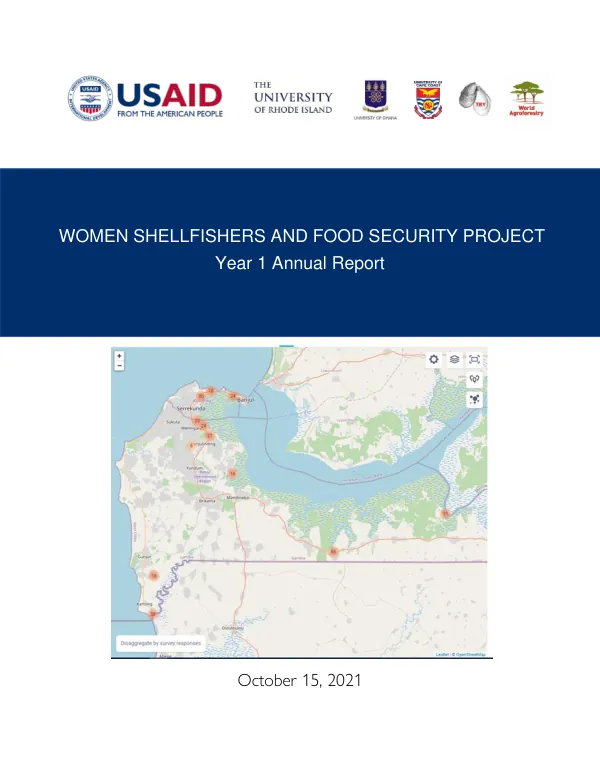
Year 1 Annual Report: Milestone #8
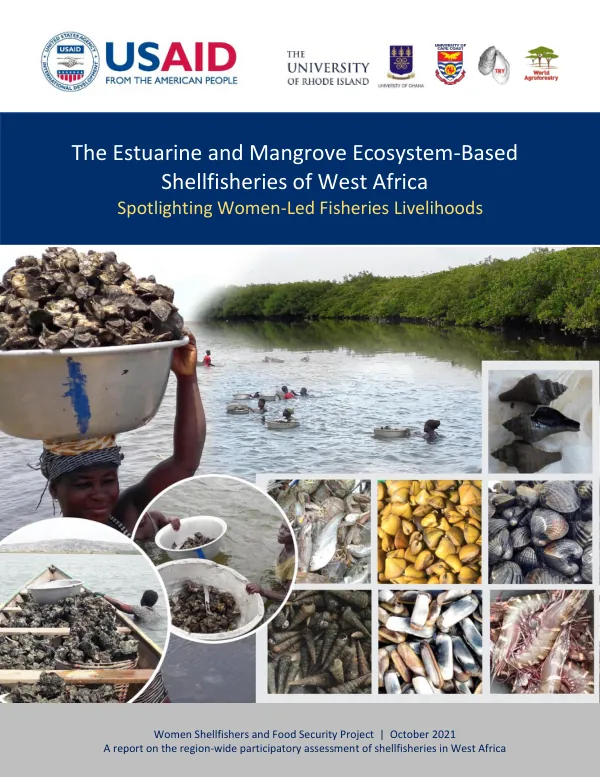
The Women Shellfishers and Food Security Project is a collaborative effort between the University of Rhode Island, the University of Ghana, the University of Cape Coast, World Agroforestry (ICRAF), the TRY Oyster Women's Association, and the Department of Nutrition and Food Science at the University of Rhode Island.
2021 · 60 pages
Sign in to readA free account is required to download.
Abstract
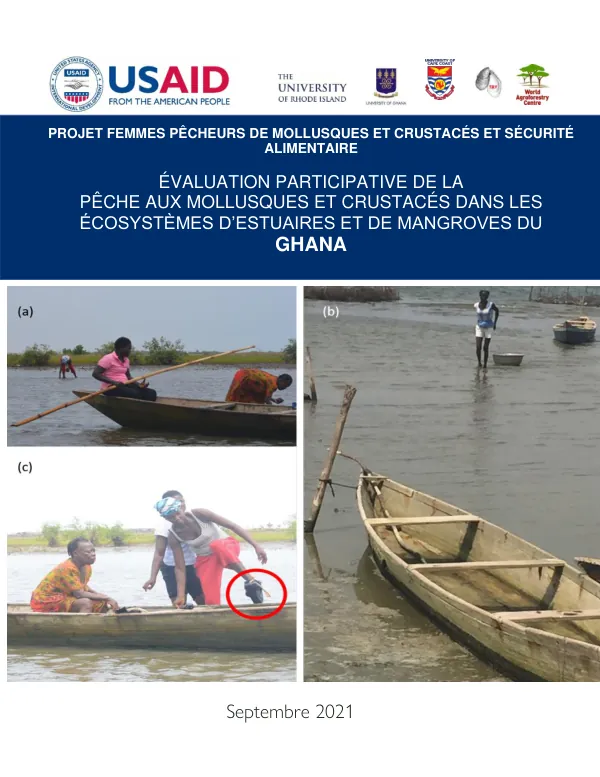
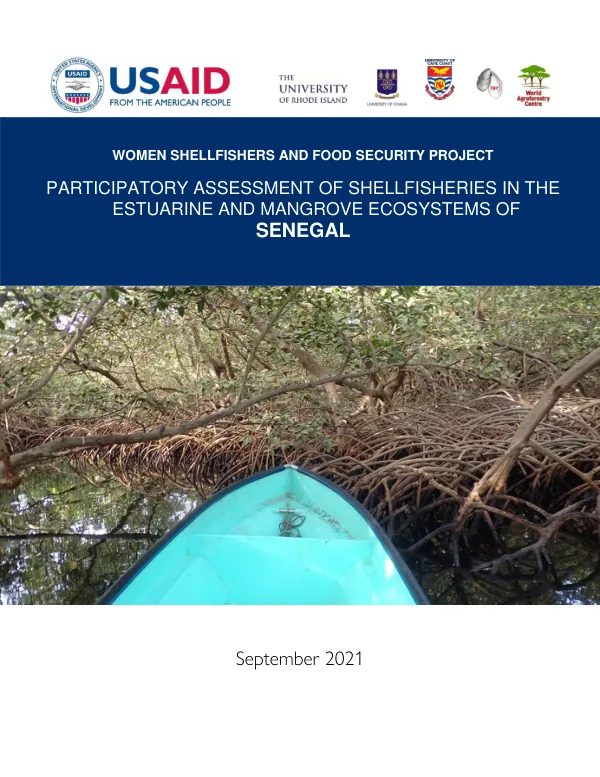
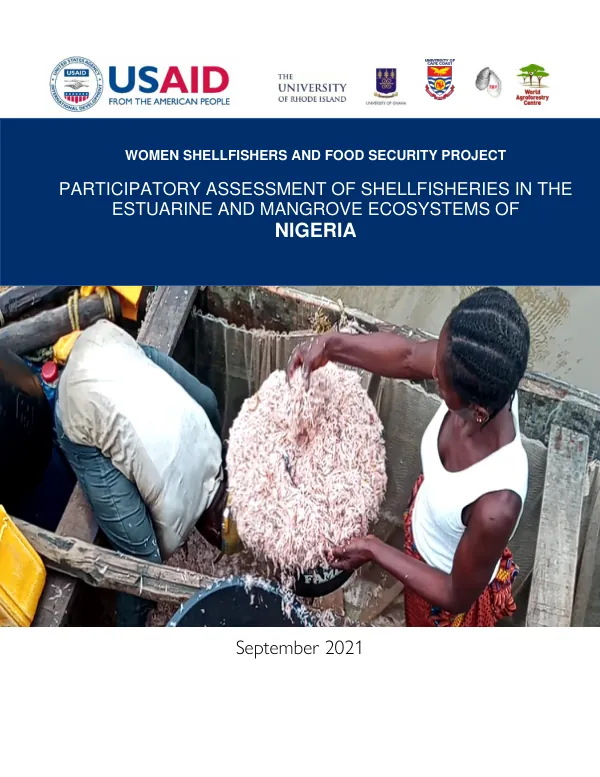
The project aims to improve food security among women shellfishers in West Africa, with a focus on Ghana and The Gambia. The project's objective is to enhance the livelihoods of women shellfishers by promoting sustainable land and seascape management, improving access to markets, and increasing their income. The project is guided by a Theory of Change and Results Chain Framework, which outlines the expected outcomes and indicators of achievement. Activity 1 of the project involved conducting a participatory regional assessment to identify the challenges and opportunities facing women shellfishers in the region. The assessment was conducted in collaboration with local stakeholders and identified key issues such as soil degradation, limited market access, and inadequate infrastructure. Activity 2 of the project focused on elaborating and testing elements of models based on identified approaches through site-based research in The Gambia and Ghana. The research involved a range of sub-activities, including participatory assessments of threats and drivers of mangrove ecosystem degradation, developing a sustainable land/seascape collaborative vision, and analyzing shellfisheries and associated bio-physical parameters of the estuaries. The project also involved the development of a toolkit to support the implementation of sustainable land and seascape management practices among women shellfishers. The toolkit was developed through a community of practice and was disseminated through a participatory regional assessment. The project's progress was monitored through a range of indicators, including the number of women shellfishers trained in sustainable land and seascape management practices, the number of households benefiting from improved food security, and the level of income generated by women shellfishers. The project's findings indicate that women shellfishers in Ghana and The Gambia face significant challenges in terms of food security, with many experiencing months of food insecurity throughout the year. However, the project also found that women shellfishers are highly motivated to improve their livelihoods and are willing to adopt new practices and technologies to achieve this goal. The project's results suggest that the development of a toolkit and the implementation of sustainable land and seascape management practices can have a positive impact on the livelihoods of women shellfishers, improving their income and food security. The project's findings also highlight the importance of community-based approaches to sustainable land and seascape management, which can help to build the capacity of local communities to manage their natural resources effectively. The project's expected outcomes include improved food security among women shellfishers, increased income and livelihoods, and enhanced sustainable land and seascape management practices. The project's indicators of achievement include the number of women shellfishers trained in sustainable land and seascape management practices, the number of households benefiting from improved food security, and the level of income generated by women shellfishers. The project's Theory of Change and Results Chain Framework outlines the expected outcomes and indicators of achievement, and provides a framework for monitoring and evaluating the project's progress. The framework outlines the expected outcomes of the project, including improved food security, increased income and livelihoods, and enhanced sustainable land and seascape management practices. The project's findings and results are presented in a range of annexes, including technical reports, training reports, and data collection summaries. The annexes provide detailed information on the project's progress and outcomes, and provide a comprehensive overview of the project's achievements. Overall, the Women Shellfishers and Food Security Project is a collaborative effort to improve the livelihoods of women shellfishers in West Africa, with a focus on Ghana and The Gambia. The project's findings and results suggest that the development of a toolkit and the implementation of sustainable land and seascape management practices can have a positive impact on the livelihoods of women shellfishers, improving their income and food security.
Related documents