MANAGEMENT SCIENCES FOR HEALTH
Performance Management
Performance management is a critical component of organizational success, enabling employees to understand expectations, achieve goals, and contribute to the organization's growth.
2013 · 3 pages
Sign in to readA free account is required to download.
Abstract
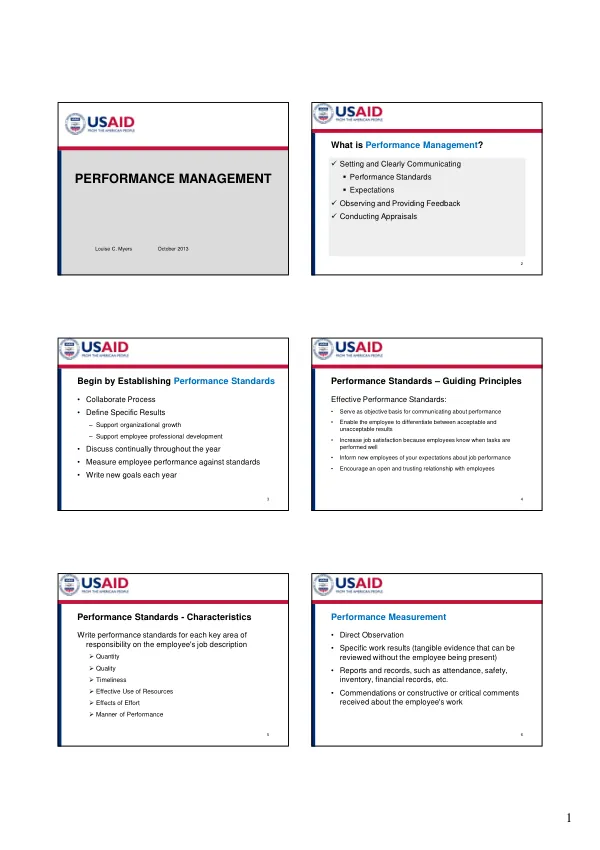
Establishing performance standards is a crucial step in this process, as it provides a clear basis for communicating about performance and enables employees to differentiate between acceptable and unacceptable results. Effective performance standards serve as an objective basis for communicating about performance, increase job satisfaction by providing clear expectations, and inform new employees of organizational expectations. These standards should be specific, measurable, achievable, relevant, and time-bound (SMART), and should be discussed continually throughout the year. Performance standards should also be aligned with organizational goals and values, and should be used to measure employee performance against established benchmarks. Performance standards typically encompass key areas of responsibility, including quantity, quality, timeliness, effective use of resources, effects of effort, and manner of performance. Direct observation, specific work results, reports and records, and commendations or constructive comments are all used to measure employee performance against these standards. Coaching is a key performance management tool that supports employees in addressing challenges and producing results. Coaching involves strengthening communication between the employee and supervisor, helping the employee attain performance objectives, increasing employee motivation and commitment, and maintaining and increasing the employee's self-esteem. Key elements of coaching include agreeing on action to be taken, scheduling follow-up meetings, recognizing successes and improvements, and documenting coaching and counseling sessions. Coaching also involves asking questions to consider, such as how the employee is expected to perform, whether the employee understands expectations, and whether the employee knows what success looks like. Coaching behaviors include focusing on behavior, not personality, asking the employee for help in problem identification and resolution, setting specific goals, and maintaining communication. Performance appraisals are also an essential component of performance management, providing employees with specific, constructive feedback, and informing them about current and future performance objectives. Preparing for performance evaluations involves giving the employee a list of questions to consider, preparing a draft appraisal, and creating a supportive environment for the discussion. The performance evaluation discussion should involve discussing key areas of responsibility, giving examples of specific results, and asking the employee for help in resolving problems. The discussion should also involve recognizing positive performance, discussing the employee's interests and potential new responsibilities, and concluding on a positive note.
Related documents
Documents in this collection

USAID DEC
Manual for Stock Management of Health Supplies in South Africa
Open record 2021
2021USAID DEC
Brief: Key Steps for Defining Pharmaceutical Benefits Packages
Open record
USAID DEC