USAID DEC
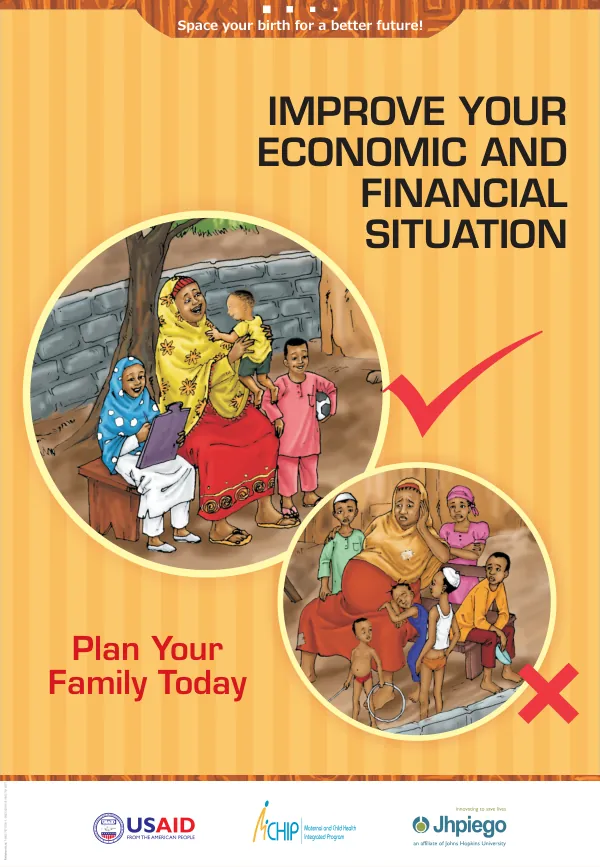
Plan Your Family Today
Family planning is a crucial aspect of personal and economic development.
1 pages
Sign in to readA free account is required to download.
Abstract
The concept of planning one's family is closely tied to economic stability, as it allows individuals to make informed decisions about their financial resources and allocate them effectively. By controlling family size, individuals can reduce the financial burden associated with raising children and allocate more resources towards education, healthcare, and other essential needs. Research has shown that family planning can have a significant impact on economic outcomes, particularly in low- and middle-income countries. Studies have found that access to family planning services can lead to increased economic mobility, improved education and health outcomes, and reduced poverty rates. In addition, family planning can also have a positive impact on the environment, as smaller family sizes can lead to reduced consumption of resources and lower carbon emissions. The benefits of family planning are not limited to individuals; they also have a positive impact on communities and societies as a whole. By reducing the number of children born, families can allocate more resources towards education and healthcare, leading to improved human capital and economic growth. Furthermore, family planning can also help to reduce the burden on social services, such as healthcare and education, allowing for more efficient allocation of resources. In many countries, access to family planning services is limited, particularly in rural areas. This can be due to a variety of factors, including lack of access to healthcare services, cultural and social barriers, and inadequate education and awareness about family planning methods. To address these challenges, governments, NGOs, and private sector organizations are working together to increase access to family planning services, improve education and awareness, and promote the benefits of family planning. By planning their families, individuals can take control of their economic and financial situation, improve their education and health outcomes, and contribute to the overall development of their communities and societies. This requires a combination of access to family planning services, education and awareness, and supportive policies and programs.