POPULATION REFERENCE BUREAU
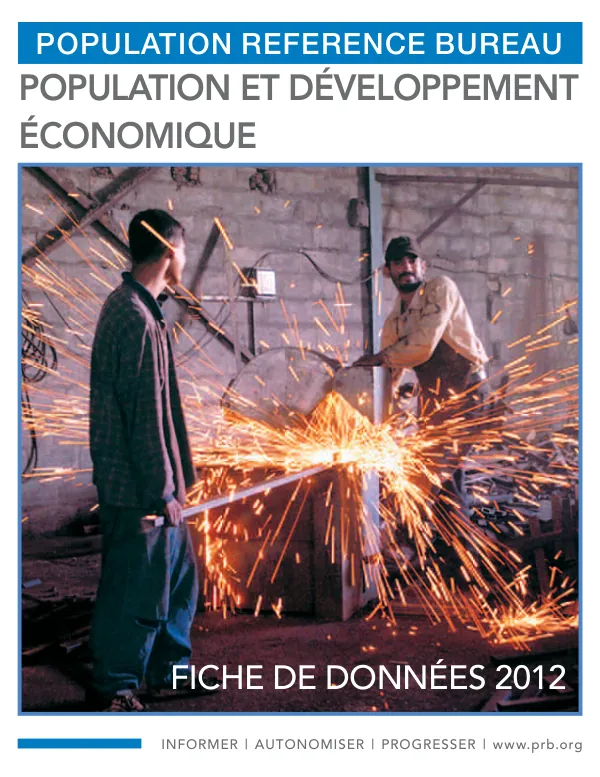
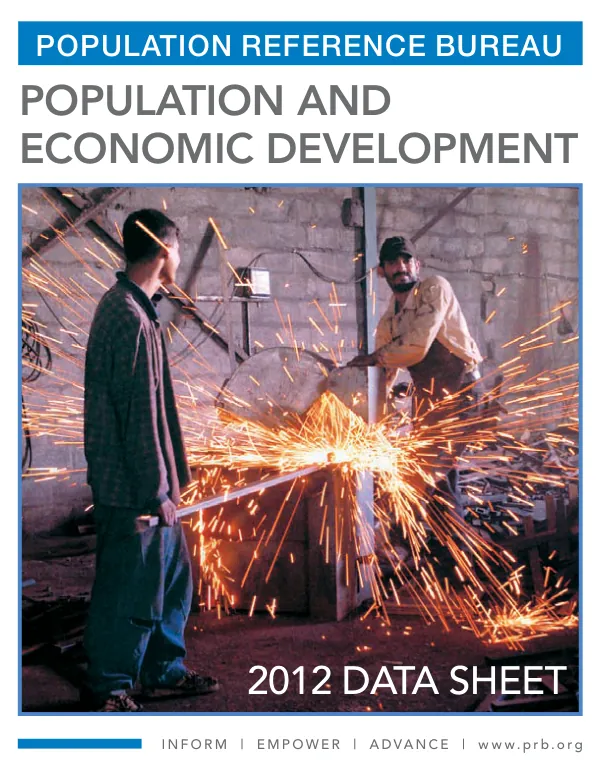
Population and Economic Development, 2012 Data Sheet
Population and economic development are closely linked, with a country's age and sex structure playing a significant role in defining its challenges and opportunities.
2012 · 19 pages
Sign in to readA free account is required to download.
Abstract
The age structure of a population determines the country's economic potential, with a "demographic dividend" occurring when there are more people in the working-age group (ages 15 to 64) relative to the rest of the population. This period of economic growth and productivity can last for several decades, but it requires a healthy, educated population with means of employment. Indonesia's fertility transition from high to low birth rates has shifted the population distribution away from a concentration in the youngest age groups, allowing the country to reap the benefits of a burgeoning working-age population and falling child dependency ratio. In contrast, Honduras has a relatively youthful population, and a sustained decline in fertility will be necessary to reach a potential period of demographic dividend. Child health and survival generally reflect a country's level of economic development, with infant mortality rates being higher in poorer countries. Improving overall income levels, reducing income inequality, and increasing access to maternal and child health services can contribute to the improvement of child health and survival. A couple's fertility preferences depend on various cultural and socioeconomic factors, resource constraints, and individual desires, all of which also vary with age and the current number of children in the family. The ideal number of children among men and women varies across countries, with men generally desiring more children than women. Reproductive health policies must reach out appropriately to both men and women when promoting family planning programs and healthy birth spacing. In many low-income countries, the value of education is often overlooked, and children may be needed to work in agriculture or contribute to household chores. The link between fertility and economic development is complex, but slower population growth tends to provide the potential for increased economic growth. Several Asian countries, including Thailand and Indonesia, moved from low-income status to middle-income status within a generation's time, with a drop in the fertility rate being one of the key factors. Modern economies depend on smaller, highly productive labor forces rather than on a large number of unskilled workers, and declining fertility implies that more resources can be allocated to improving the quality of the labor force through increased educational and health expenditures per worker. Countries with high child dependency ratios today are projected to see them decline in the coming decades, and the degree to which countries are ready to take advantage when such a window of opportunity opens will have a great impact on their future economic growth. Lower fertility also allows for higher levels of savings and investment, which drive the development of the economy.