USAID
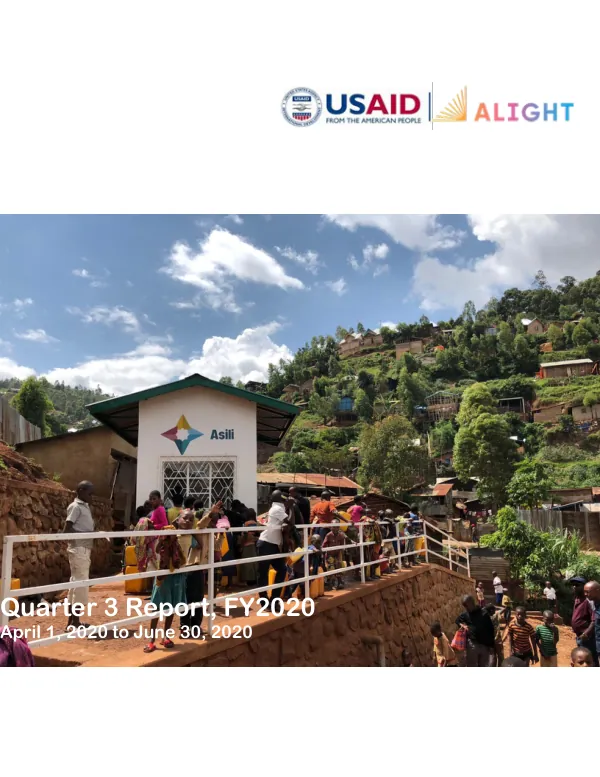
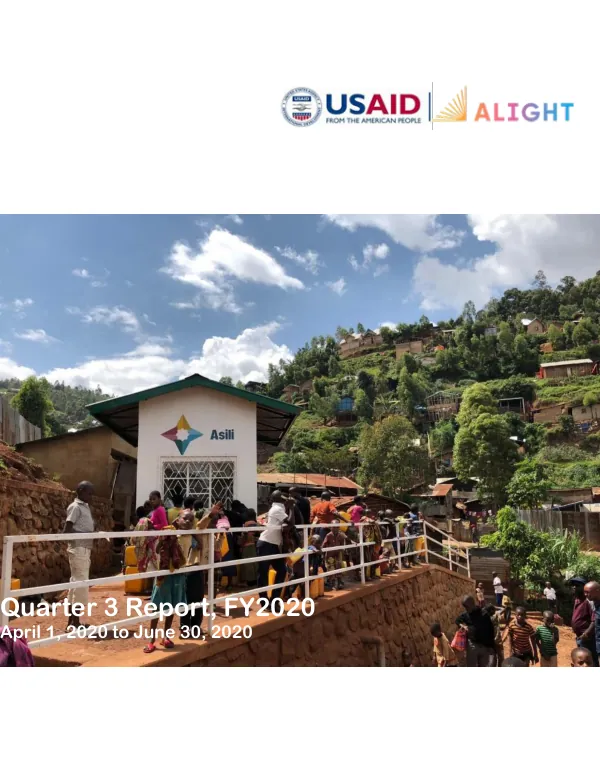
Quarter 3 Report, FY2020: Asili 2.0: Scaling for Sustainability in the Kivus
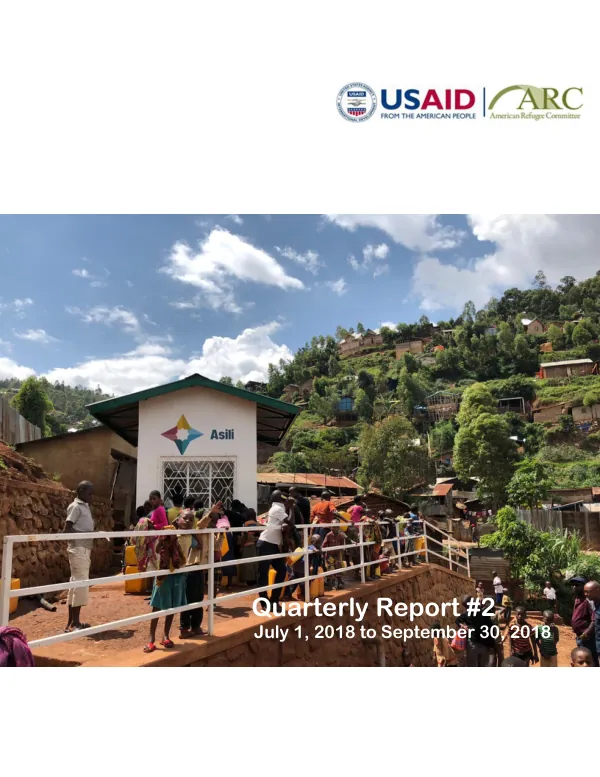
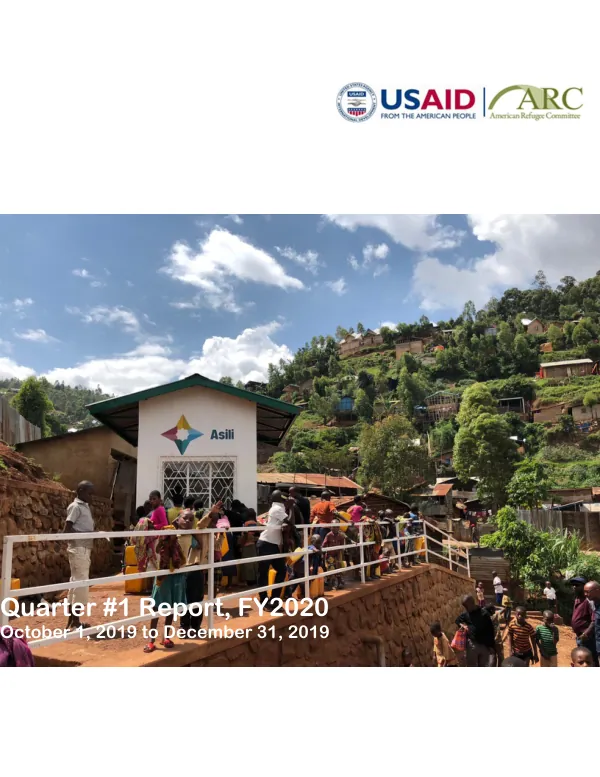
The agricultural development initiative in eastern Congo is part of the Asili 2.0 project, a social enterprise platform that aims to create healthier, more resilient, and economically empowered communities in South Kivu.
2020 · 14 pages
Sign in to readA free account is required to download.
Abstract
The project is funded by USAID and has a five-year implementation period from March 30, 2018, to March 29, 2023. The primary goal of Asili 2.0 is to scale a sustainable social enterprise platform that provides bundled social services, including health and clean water, to communities in need. The project focuses on three key objectives: (1) developing viable business models for the delivery of bundled social services through a platform at scale, (2) improving access to clean water and health services in target communities, and (3) maintaining quality standards of clean water and health services in target communities. The project is implemented through a member-driven hub of social businesses that operate in zones of approximately 50,000 people. Asili 2.0 has identified several zones for implementation, including Cirunga, Mudaka, and Panzi, where health and water business lines have been built. The project has also selected Minova as the next site to implement zones 3 and 4. The health clinics in these zones will provide primary health care services, and the water retail systems will offer clean water to the communities. The project has made significant progress in implementing its objectives. In the first quarter of FY2020, the health care implementation in Zone 1 (Ciriri) and Zone 2 (Camp TV) was initiated. The project is also considering alternative health services, including a diagnostic center, an Asili dental health clinic, and scaling up clinic services to the health center level. The diagnostic center will provide PCR testing and laboratory analysis for COVID-19, as well as imaging services. The Asili dental health clinic will address the lack of oral health care services in the region, and the scaling up of clinic services to the health center level will enable the provision of a minimum package of care activities according to regional standards. The project has also initiated the development of a clean energy business line, which aims to provide affordable and continuously accessible electricity to communities in South Kivu. The clean energy business line is expected to contribute to the overall goal of creating healthier, more resilient, and economically empowered communities in the region. The project has made significant progress in its first two years, and the implementation of its objectives is ongoing. The project's success will depend on the continued support of USAID and the collaboration with private sector partners and communities in South Kivu.