USAID
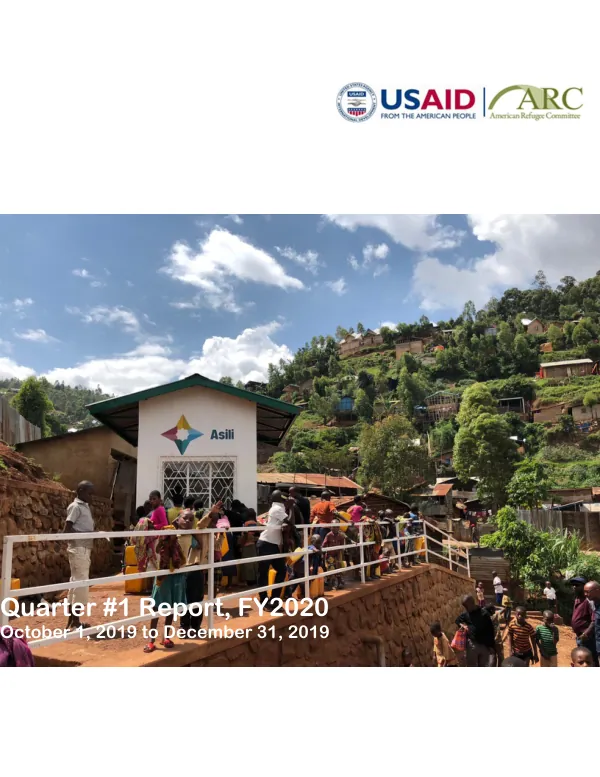
Quarter #1 Report, FY2020: Asili 2.0: Scaling for Sustainability in the Kivus
The Asili 2.0 project is a co-creation of USAID, private sector partners, communities of eastern Congo, and the American Refugee Committee (ARC).
2020 · 16 pages
Sign in to readA free account is required to download.
Abstract
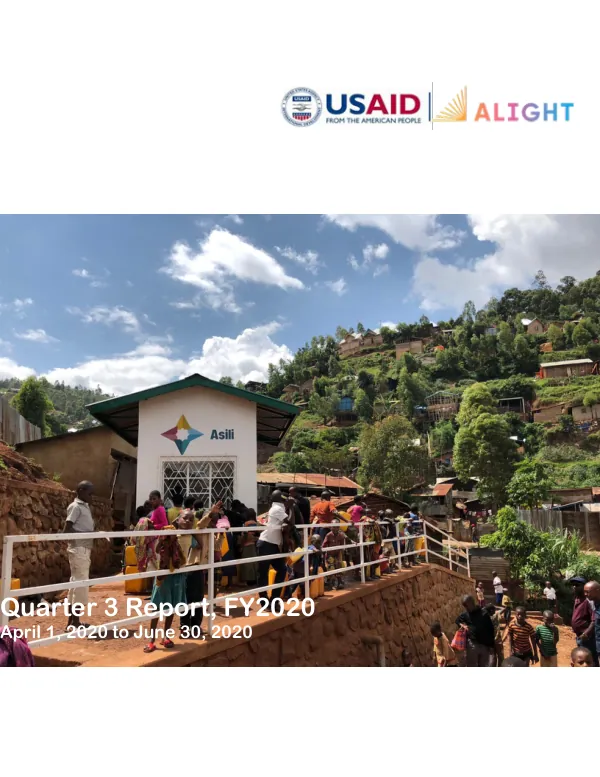
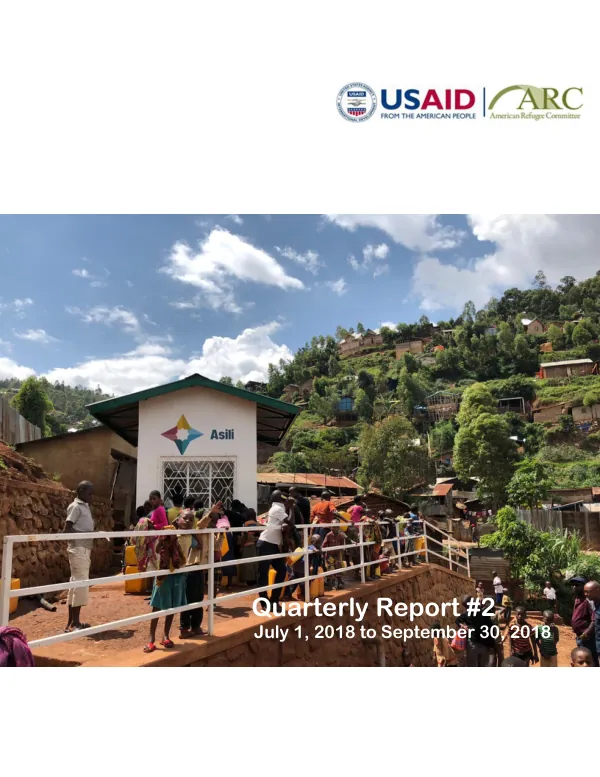
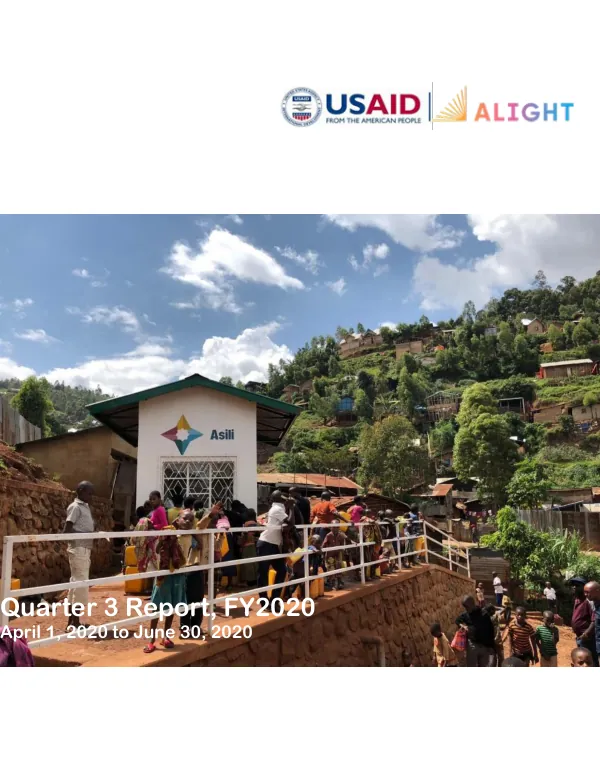
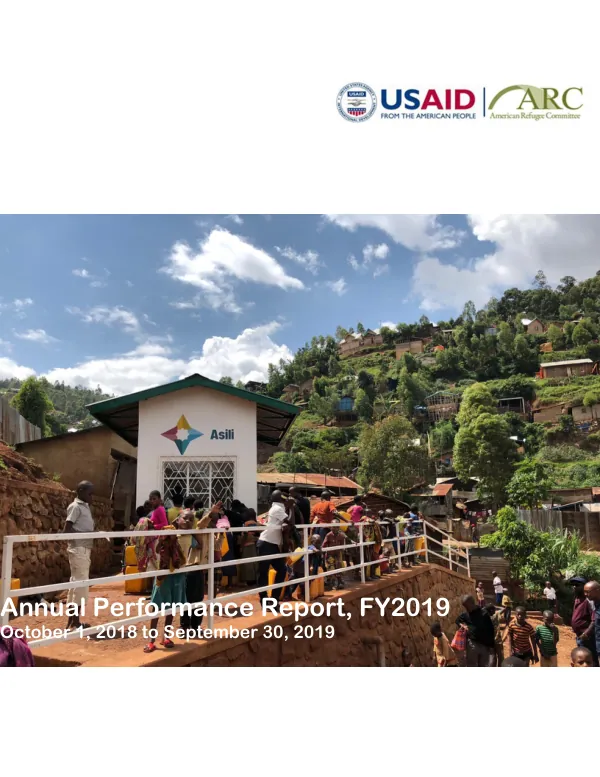
The project aims to create empowered communities through the provisioning of meaningful, high-quality services. Asili was designed to address the needs of communities in eastern Congo, where state institutions are unable to provide adequate support. The project's goal is to scale a sustainable social enterprise platform to create healthier, more resilient, economically empowered, and functional communities in South Kivu. To achieve this goal, Asili has three objectives: to develop viable business models for the delivery of bundled social services through a platform at scale, to improve access to clean water and health services in target communities, and to maintain quality standards of clean water and health services in target communities. Asili is a member-driven hub of complementary social businesses that are located within zones of approximately 25,000 people. The initial businesses – agriculture, health care, and clean water – were selected due to their potential to immediately contribute to healthier, more resilient, and economically empowered communities. Asili will continue to expand and grow utilizing the frameworks and tools developed within the initial pilot phase. The project has made significant progress in the first quarter of FY2020. In Zone 1 (Ciriri) and Zone 2 (Camp TV), the health care implementation has been delayed due to the need to take into account various stakeholders at administration level of the SOS clinic and at the regional level. However, the project has identified the existence of several health centers, hospitals, and clinics operating in the area, and has devised a potential solution for accessibility issues through the "clinic in the backpack" program. In addition, the project has improved the control and management of the water system in zones 1 and 2, and started the new implementation of Zone 3 and 4 in the territory of KALEHE. The project has increased the water flow by installing and protecting a new source of water for Zones 5 and 6, constructed a large sand filter for the drinking water system in Zones 4, 5, and 6, and increased the frequency of cleaning of structures. The project has also made progress in developing a clean energy business line. Asili plans to produce a functional prototype of the Solar Home System (SHS) service that would bring affordable and continuously accessible electricity to people's homes. The SHS service would include a solar panel with a battery to power multiple lights, USB charging ports, and a fan, and would provide options to upgrade to a more robust panel and battery setup that can also sustain an energy-efficient radio, TV set, a fan, and/or a small refrigerator. However, the project faces challenges in financing the SHS, as the current market in Bukavu is very limited in terms of supply and financing avenues available. Asili is studying other options in the region for potential applications/partnerships under the Alight platform.