USAID DEC
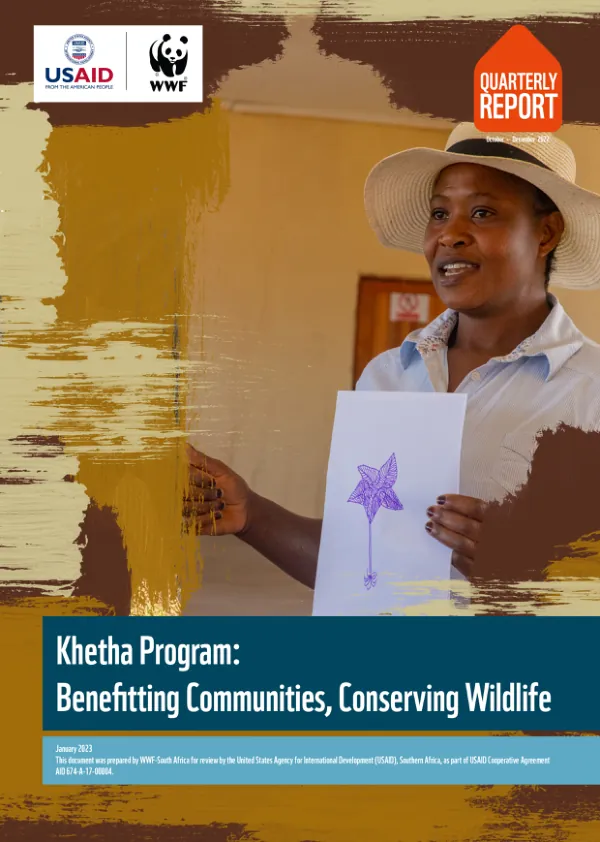
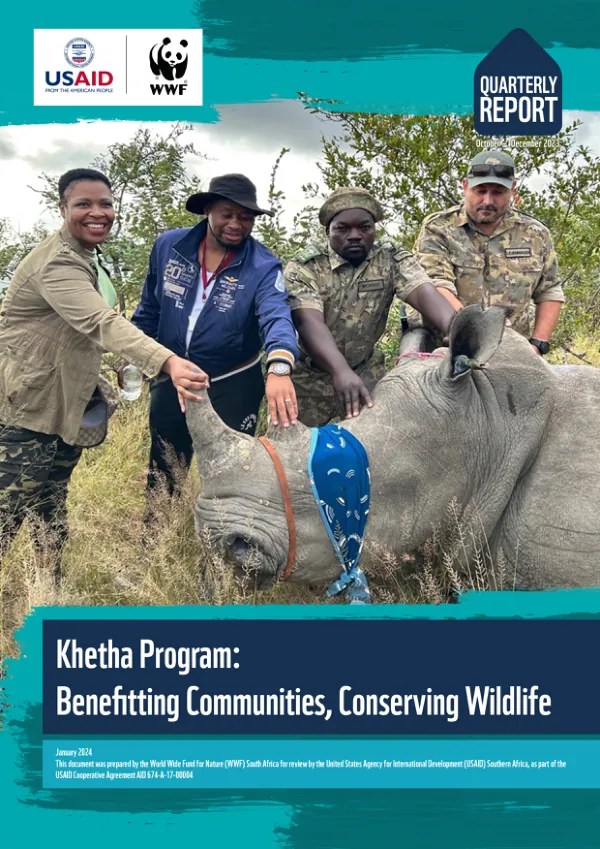
Quarterly Report: Khetha Program Activities in the Great Limpopo Transfrontier Conservation Area
Sign inWORLD WILDLIFE FUND FOR NATURE - KENYA
Quarterly Report: Khetha Program Activities in the Great Limpopo Transfrontier Conservation Area
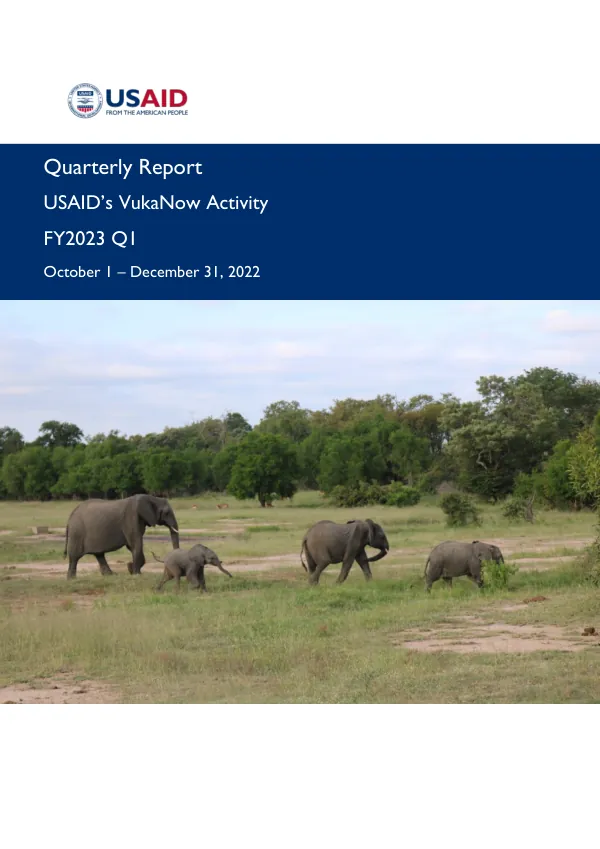
The Khetha program is a conservation initiative focused on halting the impacts of wildlife trafficking on key populations of flagship species and communities around protected areas in the South African and Mozambican landscape of the Great Limpopo Transfrontier Conservation Area (GLTFCA).
2023 · 42 pages
Sign in to readA free account is required to download.
Abstract
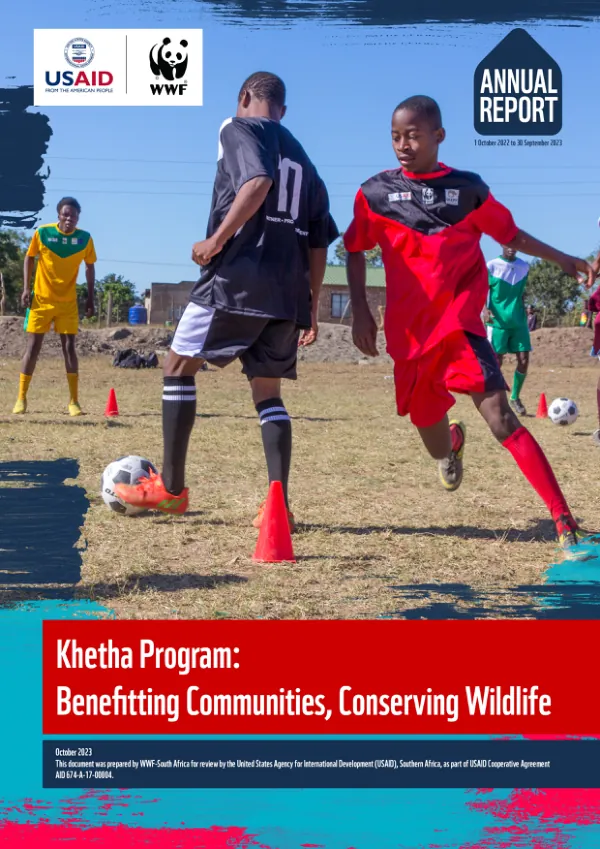
The program aims to contribute to positive growth rates in black and white rhino populations and maintain positive growth rates for elephants in the focal area by September 2024. The program's objectives include supporting innovative partnerships and novel approaches within civil society, communities, private sector, and government in at least four innovation nodes in GLTFCA to improve relationships between people and wildlife. Additionally, the program seeks to support the implementation of effective community engagement and outreach strategies to promote coexistence with wildlife. The Khetha program has launched several initiatives in the first quarter of Year Seven, including the Community Engagement Practitioners Course, which takes a transformative approach to strengthening the skills and competencies of community engagement practitioners. The course promotes community engagement as a career option for local people and has received positive feedback from participants. The program has also expanded its youth sports program to include additional soccer leagues and netball teams to reach young women in the region. Furthermore, the Environmental Restorative Justice pilot has been launched, which aims to apply restorative justice to environmental crime and engage stakeholders to gain buy-in for the approach. In addition, the program has continued to provide communication support to the Greater Kruger Protected Area network and strengthen a coordinated communications response to wildlife crime. The program has also launched the 2023/24 Khetha Story Project, which provides training and grants for journalists and hosts webinars for media on topical issues related to conservation and wildlife crime. The program has hosted several major events in the first quarter, including the Mozambique-South Africa Judicial Colloquium and the Khetha Community Engagement Practitioners Conference. The conference brought together leading community engagement practitioners, researchers, conservation project managers, and protected area managers to discuss community engagement work and share lessons learned. The Khetha program is committed to delivering on its objectives and making a positive impact on the conservation of wildlife and communities in the GLTFCA. The program looks forward to continuing its efforts in the second quarter of Year Seven and beyond. The program's geographic focus is on the Great Limpopo Transfrontier Conservation Area (GLTFCA), which spans across South Africa and Mozambique. The program's implementation details include collaboration with various partners, including the WWF South Africa, to achieve its objectives. The program's timeframes include achieving its goal of contributing to positive growth rates in black and white rhino populations and maintaining positive growth rates for elephants in the focal area by September 2024. The program's recommendations include supporting innovative partnerships and novel approaches, implementing effective community engagement and outreach strategies, and promoting coexistence with wildlife. The program's methodology includes supporting the implementation of effective community engagement and outreach strategies, promoting coexistence with wildlife, and supporting innovative partnerships and novel approaches. The program's key findings include the positive feedback from participants in the Community Engagement Practitioners Course and the success of the youth sports program in reaching young women in the region. The program's conclusions include the importance of community engagement and outreach strategies in promoting coexistence with wildlife and the need for innovative partnerships and novel approaches to address the impacts of wildlife trafficking. The program's recommendations include continuing to support the implementation of effective community engagement and outreach strategies and promoting coexistence with wildlife.
Related documents