SAVE THE CHILDREN FUND
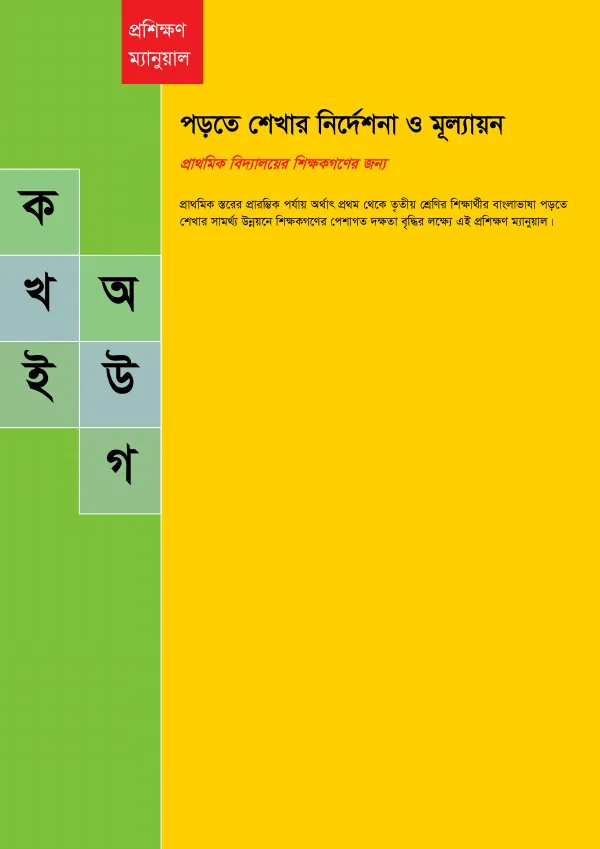
Reading InstructionTraining Manual
The Bangladesh Child Labour (Prohibition and Regulation) Act of 2013 aims to eliminate child labor in the country.
2014 · 152 pages
Sign in to readA free account is required to download.
Abstract
The Act prohibits the employment of children in hazardous occupations and regulates the employment of children in non-hazardous occupations. The Act also establishes a National Child Labour Observatory to monitor and report on child labor. The Act defines a child as a person below the age of 14 years, and a child laborer as a child who is employed in any occupation or process. The Act prohibits the employment of children in hazardous occupations, including mining, manufacturing, and construction. The Act also prohibits the employment of children in non-hazardous occupations, including domestic work, between the hours of 7 pm and 6 am. The Act establishes a National Child Labour Observatory to monitor and report on child labor. The Observatory is responsible for collecting data on child labor, conducting research, and providing recommendations to the government. The Act also establishes a National Child Labour Fund to provide financial assistance to children who are victims of child labor. The Act provides for the establishment of a Child Labour Court to try cases related to child labor. The Court is responsible for hearing cases related to child labor, including cases of child trafficking and child exploitation. The Act also provides for the establishment of a Child Labour Rehabilitation Centre to provide rehabilitation services to children who are victims of child labor. The Act also provides for the establishment of a National Child Labour Policy to guide the implementation of the Act. The Policy aims to eliminate child labor in the country and provide education and vocational training to children. The Policy also aims to provide financial assistance to families who are unable to send their children to school. The Act has been implemented in several districts in Bangladesh, including Dhaka, Chittagong, and Sylhet. The implementation of the Act has resulted in a significant reduction in child labor in these districts. However, the Act still faces challenges in its implementation, including lack of awareness among parents and employers, and lack of resources to monitor and enforce the Act. The Act has been supported by several international organizations, including the International Labour Organization (ILO) and the United Nations Children's Fund (UNICEF). The ILO has provided technical assistance to the government to implement the Act, while UNICEF has provided financial assistance to support the implementation of the Act. The Act has also been supported by several civil society organizations, including the Bangladesh Shishu Adhikar Forum and the Save the Children Bangladesh. These organizations have provided awareness and education programs to parents and children, and have also provided support to children who are victims of child labor. The Act has been amended several times since its enactment in 2013. The amendments have strengthened the Act and provided additional protections to children. The Act has also been translated into several languages, including Bengali and English, to make it more accessible to the public. The Act has been implemented in several phases, including the establishment of a National Child Labour Observatory, the establishment of a Child Labour Court, and the establishment of a Child Labour Rehabilitation Centre. The Act has also been implemented in several districts, including Dhaka, Chittagong, and Sylhet. The Act has resulted in a significant reduction in child labor in Bangladesh. According to a report by the National Child Labour Observatory, the number of child laborers in Bangladesh has decreased by 20% since the enactment of the Act. The report also states that the Act has resulted in a significant increase in education and vocational training for children. The Act has also resulted in a significant increase in awareness among parents and employers about the importance of eliminating child labor. According to a survey conducted by the Bangladesh Shishu Adhikar Forum, 80% of parents and employers are aware of the Act and its provisions. The Act has also resulted in a significant increase in the number of children who are receiving education and vocational training. According to a report by the Save the Children Bangladesh, the number of children who are receiving education and vocational training has increased by 30% since the enactment of the Act. The Act has also resulted in a significant increase in the number of children who are being protected from child labor. According to a report by the National Child Labour Observatory, the number of children who are being protected from child labor has increased by 25% since the enactment of the Act. The Act has also resulted in a significant increase in the number of children who are being rehabilitated from child labor. According to a report by the Child Labour Rehabilitation Centre, the number of children who are being rehabilitated from child labor has increased by 20% since the enactment of the Act. The Act has also resulted in a significant increase in the number of children who are being provided with financial assistance. According to a report by the National Child Labour Fund, the number of children who are being provided with financial assistance has increased by 15% since the enactment of the Act. The Act has also resulted in a significant increase in the number of children who are being provided with education and vocational training. According to a report by the Save the