USAID DEC
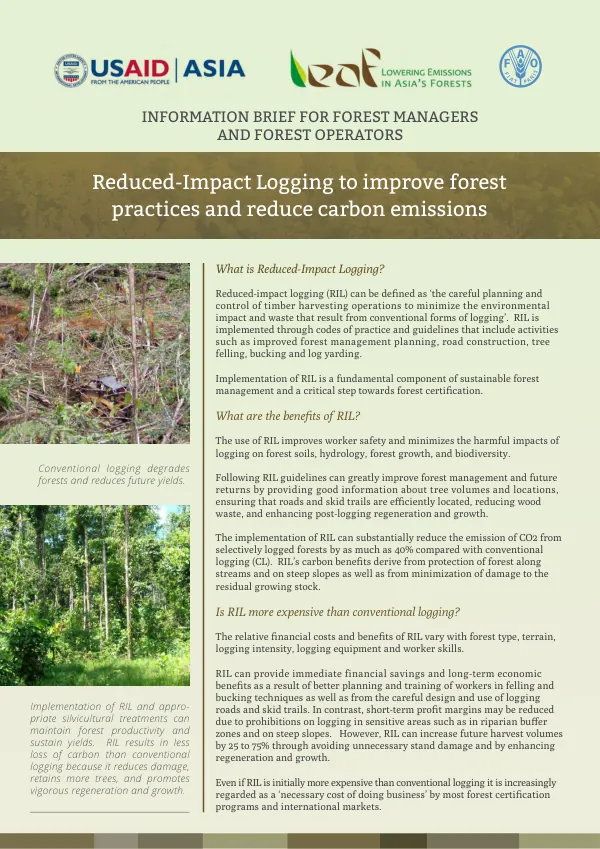
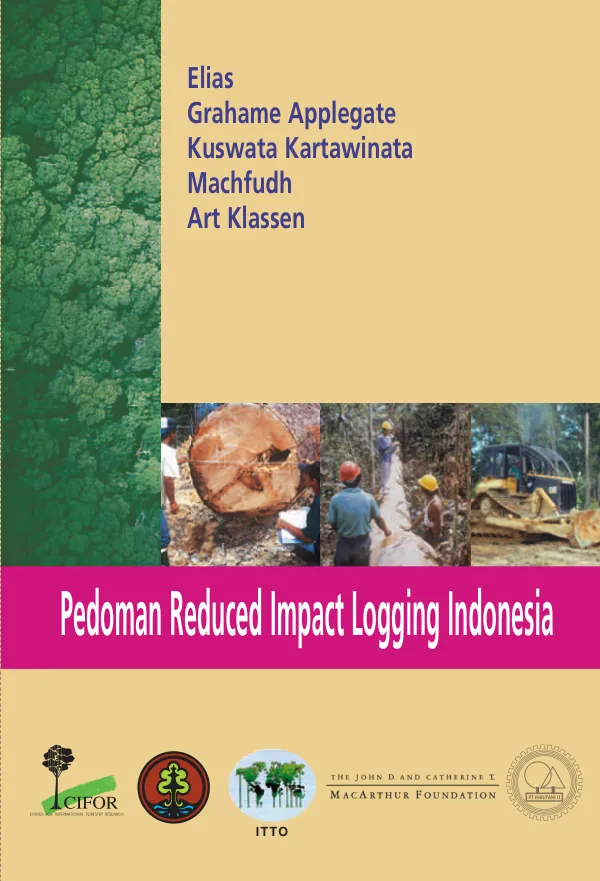
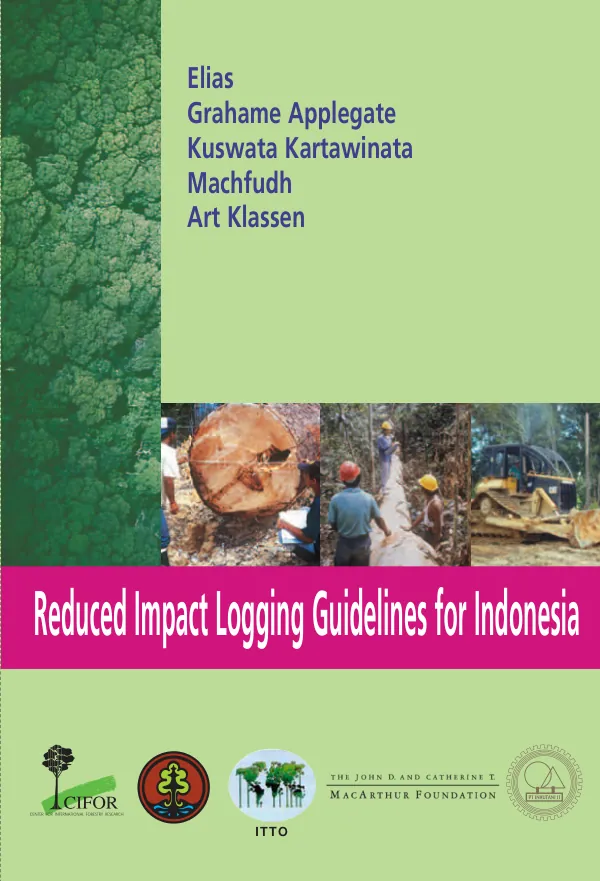
Reduced Impact Logging Guidelines for Indonesia
The Reduced Impact Logging Guidelines for Indonesia, developed by the International Tropical Timber Organization (ITTO), aim to promote sustainable forest management practices in Indonesia.
128 pages
Sign in to readA free account is required to download.
Abstract
The guidelines focus on reducing the environmental and social impacts of logging operations while maintaining the economic viability of the industry. The guidelines emphasize the importance of conducting thorough assessments of forest ecosystems and identifying areas with high conservation values. This includes evaluating the presence of endangered species, critical habitats, and other sensitive ecosystems. The assessments also consider the potential impacts of logging on water quality, soil erosion, and climate change. To minimize environmental impacts, the guidelines recommend implementing a range of measures, including selective logging, reduced logging intensity, and the use of environmentally friendly logging equipment. The guidelines also emphasize the importance of maintaining forest cover and promoting reforestation efforts. In addition to environmental considerations, the guidelines also address social and economic aspects of logging operations. They recommend that logging companies engage with local communities and indigenous peoples to ensure that their rights and interests are respected. The guidelines also emphasize the importance of providing training and capacity-building programs for logging industry personnel to promote sustainable forest management practices. The guidelines provide a framework for implementing sustainable forest management practices in Indonesia, with a focus on reducing the environmental and social impacts of logging operations. They are intended to be used by logging companies, government agencies, and other stakeholders to promote responsible forest management practices in the country. The guidelines are based on a thorough review of existing research and best practices in sustainable forest management. They draw on the expertise of international organizations, government agencies, and industry stakeholders to provide a comprehensive framework for promoting sustainable forest management in Indonesia. The guidelines are organized around a set of key principles and recommendations, including: 1. Conduct thorough assessments of forest ecosystems to identify areas with high conservation values. 2. Implement selective logging and reduced logging intensity to minimize environmental impacts. 3. Use environmentally friendly logging equipment and practices to reduce the risk of environmental damage. 4. Maintain forest cover and promote reforestation efforts to ensure the long-term sustainability of forest ecosystems. 5. Engage with local communities and indigenous peoples to ensure that their rights and interests are respected. 6. Provide training and capacity-building programs for logging industry personnel to promote sustainable forest management practices. Overall, the Reduced Impact Logging Guidelines for Indonesia provide a valuable framework for promoting sustainable forest management practices in the country. By emphasizing the importance of environmental, social, and economic considerations, the guidelines can help to ensure that logging operations are conducted in a responsible and sustainable manner.