CATHOLIC RELIEF SERVICES ORGANIZATION
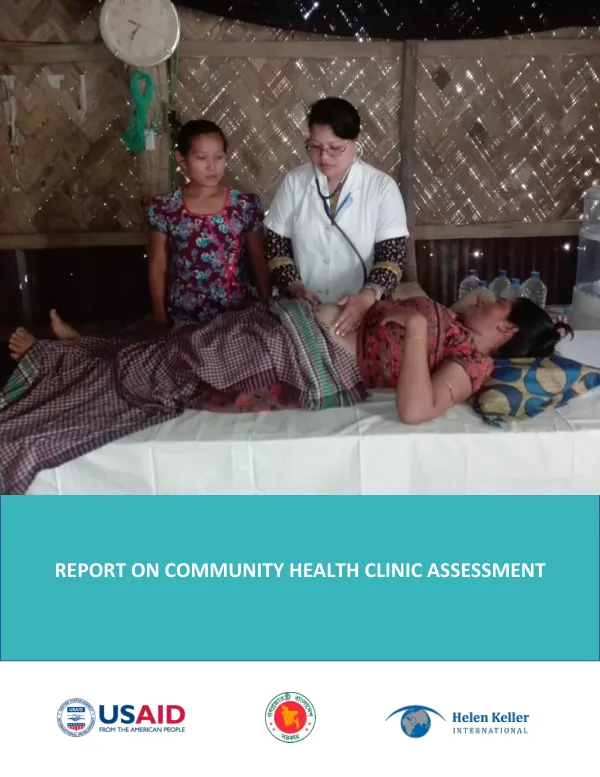
Report on Community Health Clinic Assessment
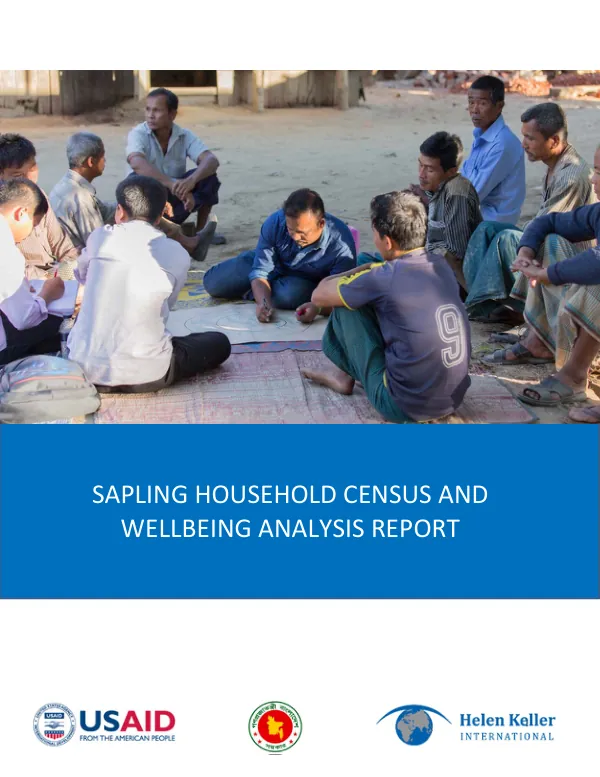
The Sustainable Agriculture and Production Linked to Improved Nutrition Status, Resilience, and Gender Equity (SAPLING) project is a collaborative effort between Helen Keller International (HKI) and the Ministry of Chittagong Hill Tracts Affairs (MOCHTA) to address food insecurity in Bangladesh.
2020 · 48 pages
Sign in to readA free account is required to download.
Abstract
The project aims to sustainably improve nutrition outcomes for vulnerable populations, including women and children, and increase the resilience of households and communities to human-induced and natural shocks. The project is being implemented in collaboration with Catholic Relief Services, Caritas/Bangladesh, and three local implementing partners, GRAUS, Toymu, and Tahzingdong. The project targets 104,331 participants from poor and extreme poor households, and those with children under two and/or adolescent girls, in all 24 unions and two pourashovas (municipalities) in the Chittagong Hill Tracts region. The SAPLING project focuses on an integrated, multi-sectoral approach to address food insecurity. This approach includes sustainable agriculture practices, production, and nutrition interventions to improve the health and well-being of vulnerable populations. The project also aims to increase the resilience of households and communities to human-induced and natural shocks that threaten nutrition outcomes. The project is being implemented in the Chittagong Hill Tracts region, which is one of the most disadvantaged areas in Bangladesh. The region is characterized by high levels of poverty, food insecurity, and malnutrition. The project aims to address these challenges by providing support to farmers, improving access to nutritious food, and increasing the resilience of households and communities to shocks. The SAPLING project is being implemented in collaboration with local government institutions, including the Ministry of Chittagong Hill Tracts Affairs, and other stakeholders, including community leaders, farmers, and women's groups. The project is also working with local implementing partners to ensure that the interventions are tailored to the specific needs of the target population. The project has made significant progress in its first year of implementation. The project has established a strong partnership with local government institutions and other stakeholders, and has begun to implement a range of interventions to address food insecurity and improve nutrition outcomes. The project has also established a robust monitoring and evaluation system to track progress and identify areas for improvement. The SAPLING project is an important initiative to address food insecurity and improve nutrition outcomes in Bangladesh. The project's integrated, multi-sectoral approach and focus on sustainable agriculture practices, production, and nutrition interventions make it a unique and effective response to the challenges facing vulnerable populations in the Chittagong Hill Tracts region. The project's focus on increasing the resilience of households and communities to human-induced and natural shocks is also critical in the context of climate change. The project's interventions are designed to help households and communities adapt to climate-related shocks and stresses, and to build their capacity to respond to these challenges. The project's progress and achievements are being closely monitored and evaluated by the project team, local government institutions, and other stakeholders. The project's monitoring and evaluation system is designed to track progress and identify areas for improvement, and to ensure that the project is meeting its objectives and making a positive impact on the lives of vulnerable populations. The SAPLING project is being implemented in a context of significant development challenges, including poverty, food insecurity, and malnutrition. The project's focus on sustainable agriculture practices, production, and nutrition interventions is critical in addressing these challenges and improving the health and well-being of vulnerable populations. The project's interventions are designed to be sustainable and scalable, and to have a lasting impact on the lives of vulnerable populations. The project's focus on building the capacity of local government institutions, community leaders, and other stakeholders is also critical in ensuring that the project's interventions are sustained and scaled up over time. The project's interventions are designed to be sustainable and scalable, and to
Related documents