ICF
Respectful maternal and newborn care: building a common agenda
Respectful maternal and newborn care is a critical aspect of reproductive health, particularly during childbirth.
2015 · 4 pages
Sign in to readA free account is required to download.
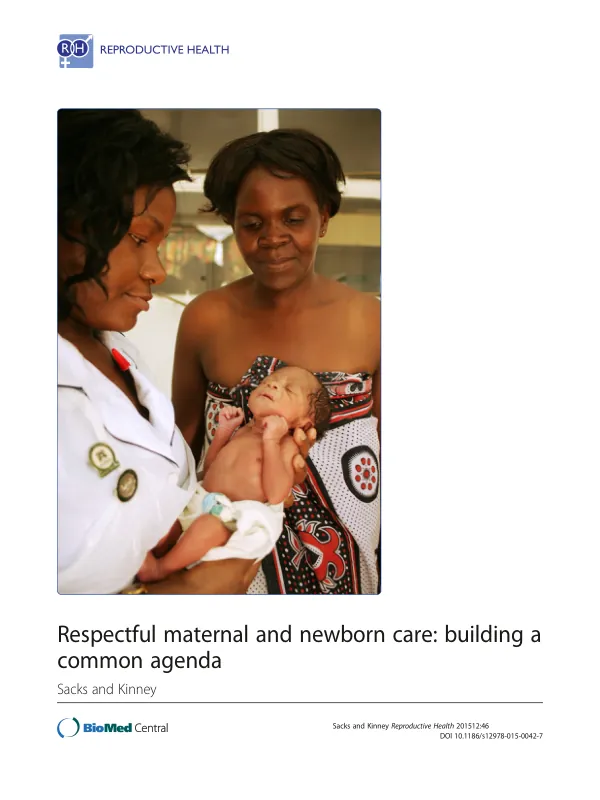
Abstract
The World Health Organization released a statement in September 2014 on preventing and eliminating disrespect and abuse during facility-based childbirth. However, this statement did not explicitly address the needs of newborns, who are also vulnerable to neglect and disrespect during this time period. Newborns are particularly susceptible to poor treatment and neglect, including being left unattended, unnecessarily separated from their mothers after birth, and transferred to other facilities without consent of the parents. These abuses can be attributed to a lack of training, equipment, and skilled personnel in healthcare facilities, as well as a culture of fatalism among healthcare workers. The concept of respectful care extends beyond clinical care and includes dignified care for mothers and newborns, even after death. Stillbirths and early neonatal deaths are often not recorded or documented, and death reviews are not conducted to guide quality improvements. The need to document abusive and neglectful care is paramount in efforts to reduce abuses and improve care of mothers during childbirth. Respectful care for newborns is essential, particularly for those born preterm or with other perinatal complications. These infants are at increased mortality risk in the first hours and days of life and deserve to be given as much chance to live as their full-term counterparts. Comprehensive and sensitive care for mothers and newborns should recognize and support the individual needs and choices of each family beyond childbirth and into the post-partum period. The Every Newborn Action Plan and Ending Preventable Maternal Mortality initiatives should inform efforts to address disrespect and abuse in childbirth for mother and baby. Global frameworks, including the Sustainable Development Goals, should prioritize activities that monitor and prevent stillbirths, intra-partum and neonatal deaths, and fund and implement strategies to humanize care of all patients and family members across the reproductive health continuum. Ultimately, respectful care for women and their babies together is essential for eliminating preventable maternal and newborn deaths and stillbirths. This requires a conscientious approach that goes beyond survival and basic health care, prioritizing the needs and dignity of mothers and newborns throughout the reproductive health continuum.
Related documents