USAID
RR Strategy
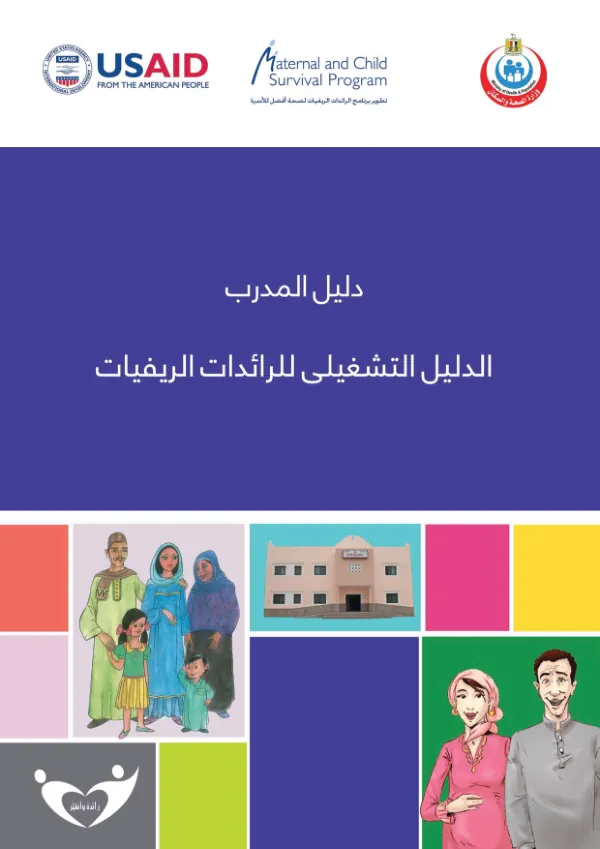
The Maternal and Child Survival Program is a global initiative aimed at reducing maternal and child mortality rates.
2019 · 73 pages
Sign in to readA free account is required to download.
Abstract
The program is supported by the United States Agency for International Development (USAID) through the Cooperative Agreement AID-OAA-A-14-00028. The program's primary objective is to improve the health and well-being of mothers and children in developing countries. The program's strategy focuses on strengthening health systems, improving access to quality healthcare services, and enhancing community-based interventions. Key components of the program include the provision of essential medicines, training of healthcare workers, and the establishment of emergency obstetric care services. Additionally, the program promotes the use of family planning methods and provides support for the prevention and treatment of infectious diseases such as HIV/AIDS and malaria. Implementation of the program is underway in several countries, with a focus on high-priority areas with the greatest need for intervention. The program's geographic scope includes sub-Saharan Africa, South Asia, and Southeast Asia, where maternal and child mortality rates are highest. Program activities are tailored to meet the specific needs of each country, with a focus on building local capacity and promoting sustainability. The program's midterm evaluation has shown promising results, with significant reductions in maternal and child mortality rates in participating countries. The evaluation also highlights the importance of community-based interventions, such as the promotion of exclusive breastfeeding and the use of insecticide-treated bed nets. These interventions have been shown to be effective in reducing the risk of maternal and child mortality, particularly in areas with limited access to healthcare services. The program's long-term goal is to achieve significant reductions in maternal and child mortality rates globally, with a focus on the most vulnerable populations. To achieve this goal, the program will continue to strengthen health systems, improve access to quality healthcare services, and promote community-based interventions. The program's success will depend on the continued support of USAID and other stakeholders, as well as the commitment of local governments and communities to improving the health and well-being of mothers and children.