USAID DEC
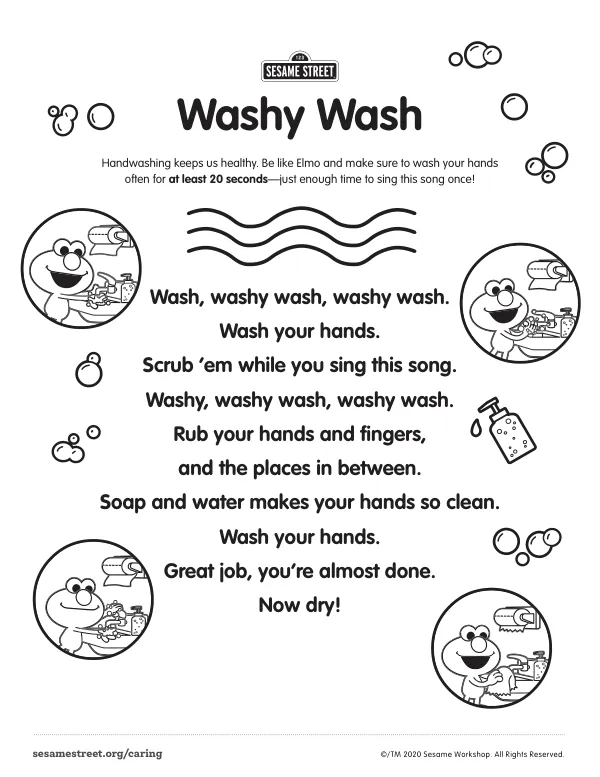
Sesame Street - Washy Wash Song
Handwashing is a crucial habit for maintaining personal hygiene and preventing the spread of illnesses.
2020 · 1 pages
Sign in to readA free account is required to download.
Abstract
The Centers for Disease Control and Prevention recommend washing hands frequently with soap and water for at least 20 seconds. This duration is sufficient to effectively remove dirt, germs, and microorganisms from the skin. The process of handwashing involves several key steps. First, wet the hands with warm water and apply a sufficient amount of soap. Next, scrub all surfaces of the hands, including the palms, backs, fingers, and areas between the fingers. This thorough cleaning is essential for removing dirt and germs that can cause illness. The soap and water combination is particularly effective in removing microorganisms, making handwashing a vital component of infection control. Research has shown that handwashing can significantly reduce the transmission of diseases. A study published in the Journal of Environmental Health found that handwashing with soap and water can reduce the incidence of diarrhea by 47% and respiratory infections by 16%. Furthermore, handwashing can also prevent the spread of antibiotic-resistant bacteria, making it an essential practice in healthcare settings. In addition to its health benefits, handwashing also has economic and social implications. According to the World Health Organization, handwashing can save lives, reduce healthcare costs, and increase productivity. In low-income countries, handwashing can also improve access to education and economic opportunities. By promoting handwashing as a habit, individuals can contribute to a healthier and more productive society. The American Academy of Pediatrics recommends teaching children the importance of handwashing from an early age. This can be achieved through simple and engaging methods, such as singing songs or using visual aids. By making handwashing a fun and interactive experience, children can develop good hygiene habits that will benefit them throughout their lives.