ACTED
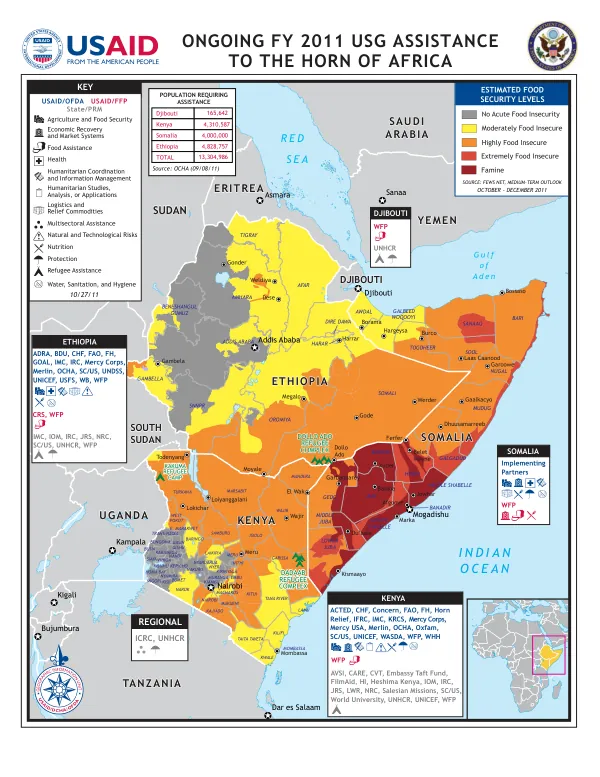
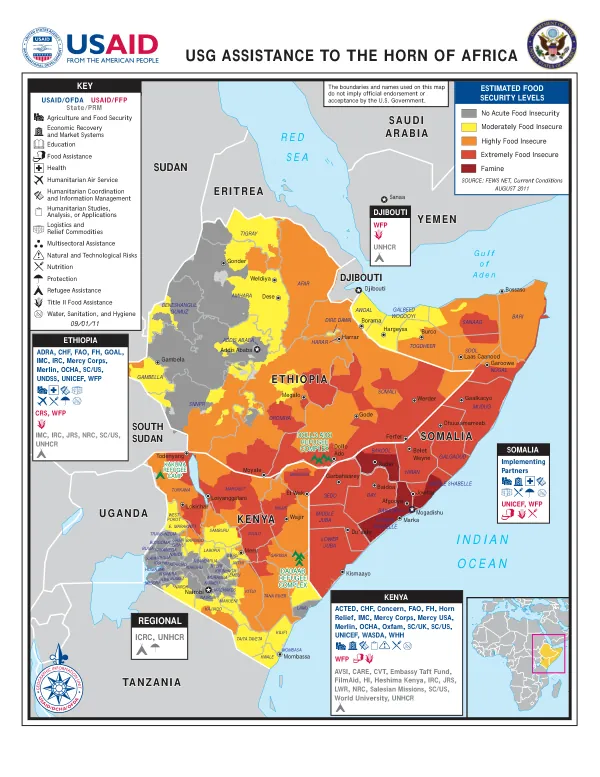
SITUATION IN THE HORN OF AFRICA MAP
The Horn of Africa region encompasses several countries, including Somalia, Ethiopia, Sudan, Kenya, and Djibouti.
2011 · 1 pages
Sign in to readA free account is required to download.
Abstract
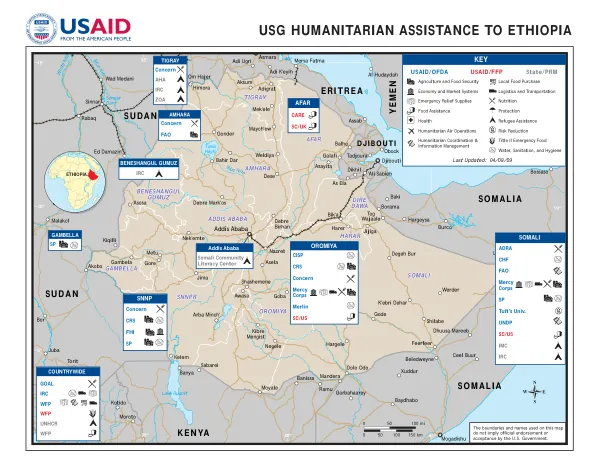
The region is characterized by a complex geography, with diverse landscapes ranging from arid deserts to mountainous regions. The climate is generally hot and dry, with limited rainfall in many areas. The Horn of Africa has a long history of conflict, displacement, and humanitarian crises. The region has been affected by civil wars, terrorism, and drought, leading to significant population displacement and food insecurity. According to the Food and Agriculture Organization (FAO), the region is highly vulnerable to climate-related shocks, including droughts and floods. The United States Agency for International Development (USAID) has been actively involved in humanitarian assistance in the Horn of Africa, particularly in Somalia, Kenya, and Ethiopia. USAID's Office of Foreign Disaster Assistance (OFDA) and Food for Peace (FFP) programs have provided critical support to affected populations, including food assistance, shelter, and protection services. The region is also home to several refugee camps, including Dadaab in Kenya and Dollo Ado in Ethiopia. These camps provide critical services to displaced populations, including food, shelter, and healthcare. However, the camps face significant challenges, including overcrowding, inadequate infrastructure, and limited access to basic services. The Horn of Africa region is also characterized by significant economic disparities, with many communities struggling to access basic services, including healthcare, education, and sanitation. The region's economy is largely dependent on agriculture, with many communities relying on subsistence farming to meet their basic needs. In August 2011, the Famine Early Warning Systems Network (FEWS NET) reported that the Horn of Africa region was experiencing high levels of food insecurity, with an estimated 12.4 million people in need of assistance. The region's food security levels were classified as No Acute Food Insecurity, Moderately Food Insecure, Highly Food Insecure, and Extremely Food Insecure, with famine declared in several areas. The US Government (USG) has provided significant assistance to the Horn of Africa region, including food assistance, shelter, and protection services. The USG has also supported the development of humanitarian coordination mechanisms, including the Regional Humanitarian Coordination Mechanism, to improve the effectiveness and efficiency of humanitarian response in the region. The Horn of Africa region continues to face significant humanitarian challenges, including food insecurity, displacement, and conflict. However, with continued support from the international community, including the USG, the region has made significant progress in addressing these challenges and improving the lives of affected populations.